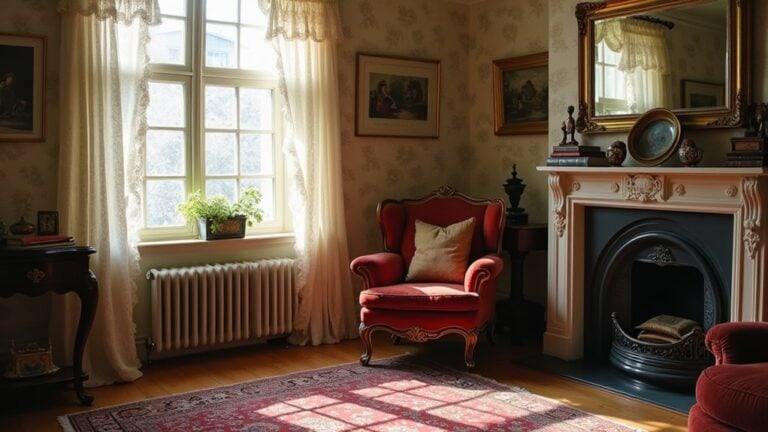
Slow decorating means taking your time to build a home that tells your story. You’ll find more satisfaction in spaces filled with items you truly love rather than quick purchases that feel empty. Let those blank walls exist while you wait for the right art. Quality pieces might cost more upfront but often last decades. Your patience creates a home that feels authentically you—not a catalog replica. The journey of thoughtful collecting becomes part of what makes your space special.
The Essentials
- Patient decorating leads to personalized spaces that tell your unique story rather than mimicking short-lived trends.
- Quality investments in well-crafted furniture and decor create lasting value and reduce long-term environmental impact.
- Empty spaces allow for visual breathing room and prevent cluttered, overwhelming interiors while awaiting perfect pieces.
- Authentic style emerges organically through thoughtful acquisition rather than rushed purchases that often feel impersonal.
- Strategic splurging on key items like seating, lighting, and meaningful art yields more satisfying results than impulse buying.
The Subtle Art of Collecting, Not Just Acquiring
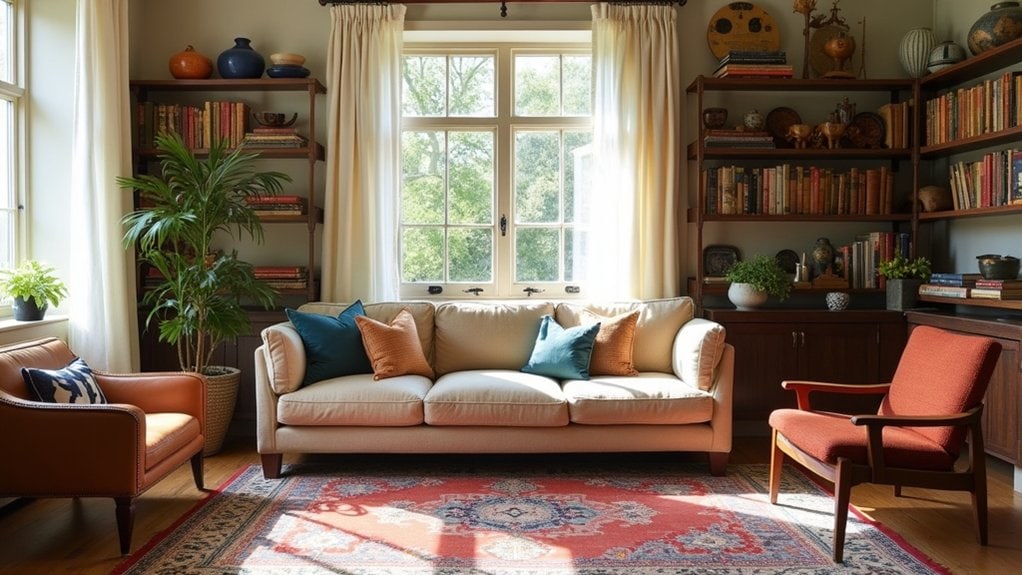
While the rush to fill a new space with furniture and decor is tempting, slow decorating begins with a mindset shift: collecting meaningful pieces rather than just acquiring stuff.
You know that feeling when you walk into someone’s home and everything seems to tell a story? That’s intentional acquisitions at work. Rather than grabbing whatever’s on sale this weekend, take time to reflect on what resonates with you personally.
Maybe start with just one area—a bookshelf or coffee table—and build curated collections gradually. That vintage camera you found at your grandmother’s might pair beautifully with travel books you actually read, not just display.
What would it feel like to walk into your home and have every item spark a memory or bring real joy?
Living With Empty Spaces: Embracing the Unfinished
Perhaps the most uncomfortable part of slow decorating is the time between—those blank walls, that empty corner where you plan to eventually place something special. But what if that emptiness isn’t a problem to fix but a space to appreciate?
Try reframing these gaps as opportunities for embracing minimalism. That bare shelf gives your eye somewhere to rest. The unadorned wall lets the pieces you do have shine more brightly.
You’ll notice something interesting happens when you stop rushing to fill every inch. You start finding beauty in negative space. Maybe that corner doesn’t need anything at all? Or perhaps it’s waiting for that perfect vintage find you haven’t met yet.
Living with unfinished spaces teaches you patience. It reminds you that your home, like you, is always evolving.
Quality Over Convenience: Investing in Timeless Pieces
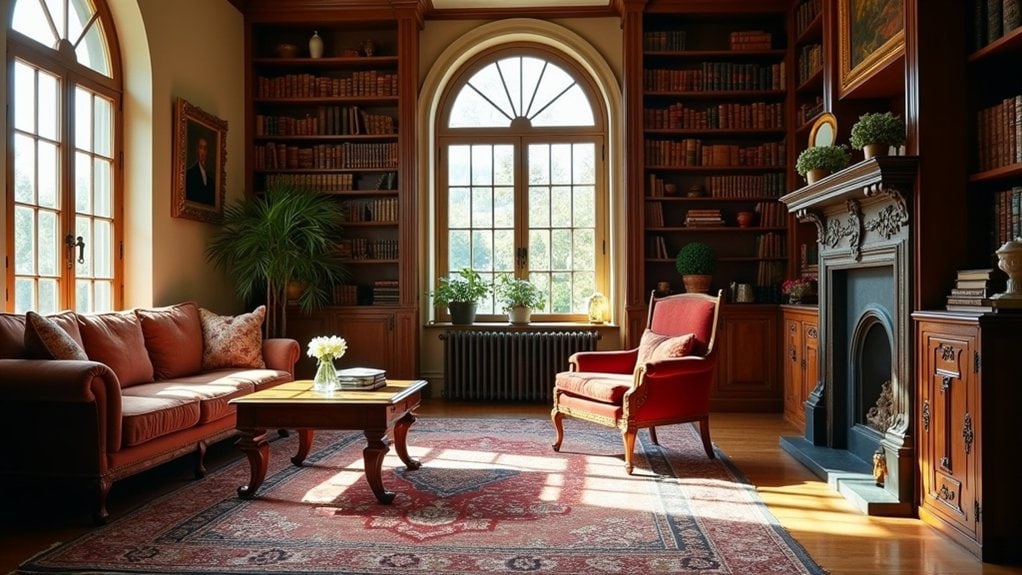
When you invest in a single well-crafted piece instead of several disposable ones, you’re not just decorating—you’re building a legacy. That solid oak dining table might cost five times more than the particle board version, but it’ll likely outlast it by decades.
I’ve noticed how timeless craftsmanship speaks for itself. Remember when you’d visit your grandparents and wonder about that sturdy cabinet or perfectly worn leather chair? Those weren’t impulse buys.
Look for sustainable sourcing when possible. Maybe pay attention to where materials come from—it matters. A handwoven wool rug from a small artisan costs more upfront but won’t need replacing next year.
What’s one piece you’ve been eyeing but hesitating to buy? Sometimes saving a bit longer makes all the difference.
Developing Your Authentic Style Through Patience
Finding your true decorating style isn’t something that happens overnight, despite what those home makeover shows might suggest. It’s a journey of personal expression that unfolds gradually as you live with your spaces and learn what truly resonates with you.
When you rush decorating decisions, you often end up with rooms that look like catalog pages—nice but lacking soul. Your authentic style emerges through design evolution, through trial and error, through living.
Maybe you’ll discover you actually hate that trendy color you thought you loved. Or perhaps that vintage lamp you weren’t sure about becomes your favorite piece. Give yourself permission to sit with emptier spaces while you figure things out.
What truly matters to you in your home? That’s the question worth taking time to answer.
The Environmental Impact of Thoughtful Consumption
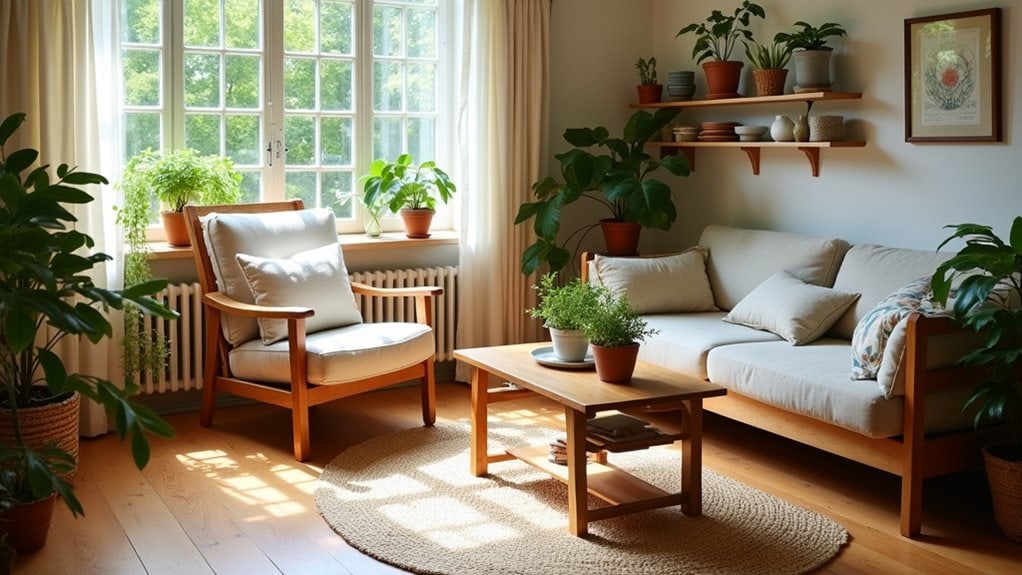
As our homes fill with impulse purchases and trendy items that quickly lose their appeal, the environmental toll silently mounts. That cute accent table you bought on a whim? It might end up in a landfill next year when you’re tired of it.
When you practice slow decorating, you’re actually participating in mindful consumption. You’ll naturally buy less stuff, and what you do buy tends to last longer. Maybe you’ll research sustainable materials for your next furniture piece, or repair something instead of replacing it.
I’ve found that asking “Will I still love this in five years?” helps me avoid regrettable purchases. Think about the resources that went into making that object—the trees, water, energy. You know, our grandparents understood this intuitively. They bought quality items once and kept them forever.
How Slow Decorating Transforms Houses Into Homes
The difference between a house and a home doesn’t emerge overnight, but through the subtle accumulation of meaningful choices. When you take time with your space utilization, really thinking about how you’ll actually live in each room, something magical happens. Those corners that once felt empty now hold memories.
You’ll notice it most when friends visit and say, “This place is so you.” That’s the personal touch that slow decorating cultivates—maybe it’s the gallery wall that grew one frame at a time, or that vintage lamp you waited months to find.
Remember when you rushed to decorate your first apartment? Everything matched, yet nothing felt right. Slow decorating lets your home evolve with you, telling your story through objects that matter rather than things that simply fill space.
Creating Meaningful Layers Through Time and Experience
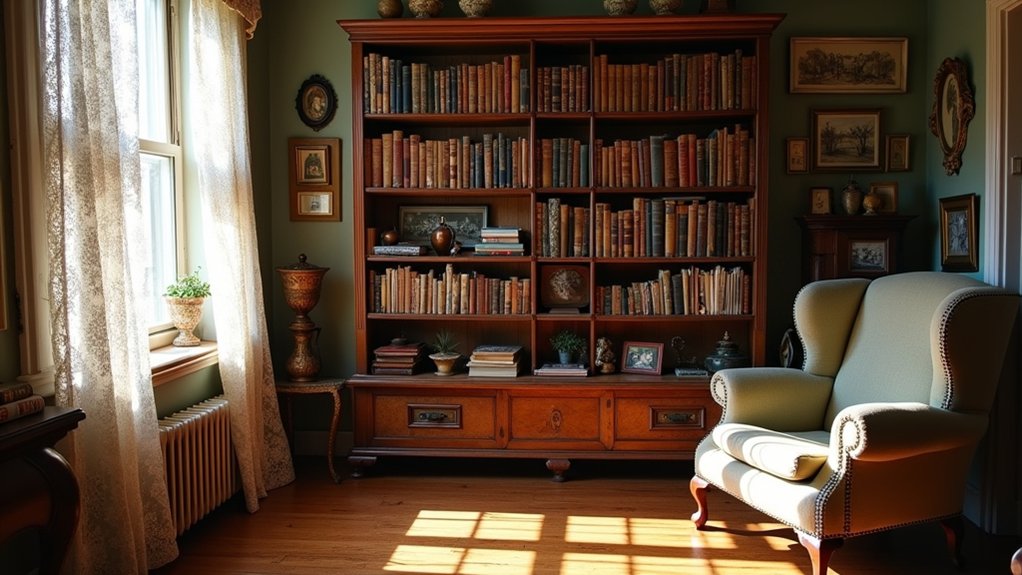
Layers of meaningful decoration don’t appear all at once—they unfold gradually, much like chapters in your life story. That vintage lamp you picked up at a flea market last summer tells a different tale than the woven throw your grandmother made decades ago. This is what makes layered storytelling in your home so powerful.
You’ll notice how each addition brings something new. That painting from your trip to Maine? It reminds you of ocean spray and foggy mornings. Maybe that’s why you’ve paired it with those blue cushions.
Experiential design happens when you let time do its work. Instead of rushing to “finish” a room, you’re allowing your spaces to evolve naturally, reflecting your changing tastes and accumulating memories. Isn’t it better when your home actually feels like you?
When to Splurge and When to Wait: Strategic Decorating
When decorating your home thoughtfully, deciding where to allocate your budget becomes perhaps the most strategic decision you’ll make. Some purchases deserve immediate investment, while others can wait until you find the perfect piece. Making these strategic choices mindfully will help you create a home that feels authentic rather than rushed.
Consider these splurge moments carefully:
- Quality seating – you’ll use it daily and good pieces last decades
- Statement lighting that transforms your space instantly
- The bed where you’ll spend a third of your life
- Art that genuinely moves you
For everything else, maybe take your time. I’ve found that waiting often leads to discovering better options anyway. Your home doesn’t need to be “done” immediately. Sometimes the hunt becomes part of what makes your space meaningful.
Frequently Asked Questions
How Do I Balance Slow Decorating With Immediate Practical Needs?
You’ll find balance by prioritizing essential furniture first while planning your long-term vision. Look for practical solutions like versatile pieces and creative compromises—perhaps a quality secondhand sofa while you save for dream accessories.
Can Slow Decorating Work in Small Spaces With Limited Storage?
In small spaces, slow decorating works beautifully. You’ll make thoughtful choices about space enhancement while investing in quality multifunctional furniture that serves dual purposes. Take time finding pieces that truly work for your needs.
How Do I Handle Pressure From Others to Finish Decorating Quickly?
You’ll face peer influence when decorating, but setting boundaries is essential. Politely explain your vision takes time to evolve. It’s your space—remind others that thoughtful decisions create more authentic, satisfying results.
What’s the Ideal Timeline for a Slow Decorating Project?
There’s no universal timeline—your project phases should unfold naturally. Allow 6-12 months for design evolution as you collect pieces that truly resonate. You’ll know when each area feels authentically “you” and complete.
How Do I Maintain Momentum Without Rushing the Process?
You’ll maintain momentum by revisiting your inspiration sources regularly and documenting your design evolution. Set small, achievable milestones, celebrate incremental progress, and don’t worry if your vision changes along the way.
Final Thoughts
You’ll never regret taking your time. Trust me.
When you wait for the right piece, you’re actually building a home that tells your story. I’ve found that my favorite spaces weren’t decorated in a weekend—they evolved.
Maybe leave that wall blank for now. Wait for something you truly love. Your future self will thank you for your patience. After all, meaningful spaces aren’t rushed into existence.