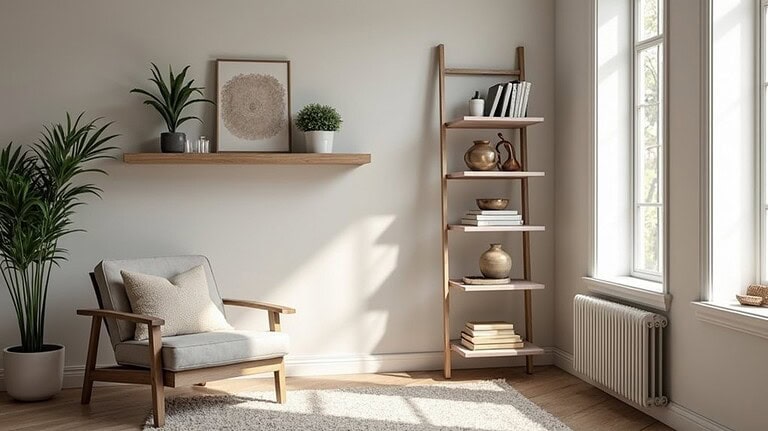
If your small space feels messy no matter how much you tidy, the problem probably isn’t the stuff — it’s where the stuff lives. Most people go straight to buying more bins, but that rarely fixes anything. The real question is whether your storage is actually working *with* your space or just adding to the visual noise. There are smarter ways to handle this, and some of them might change how you think about the room entirely.
The Essentials
- Use closed bins and consistent containers to reduce visual clutter, making organized spaces feel calmer and more aesthetically pleasing.
- Mount floating shelves or pegboards above eye level to maximize vertical space without consuming valuable floor area.
- Choose multifunctional furniture like storage ottomans and bed frames with drawers to serve dual purposes stylishly.
- Coordinate colors, leave intentional empty space, and use decorative baskets with lids to keep shelves visually appealing.
- Install entryway hooks and use shelf risers inside closets to double storage capacity without adding bulky new furniture.
Why Small-Space Storage Looks Cluttered (And How to Fix It)
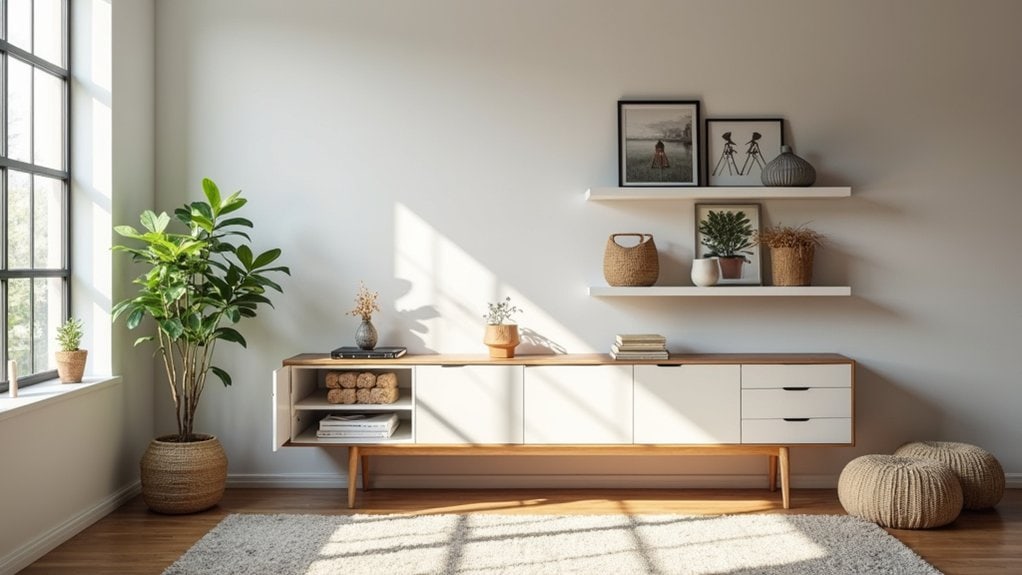
Small-space storage tends to look cluttered not because you have too much stuff, but because everything’s visible at once. That’s really the core of it. Clutter psychology tells us that visual overload—too many objects competing for attention—triggers stress, even when things are technically organized.
So what actually helps?
Aesthetic organization isn’t just about making things pretty. It’s about reducing what your eye has to process at one time. Closed bins, consistent containers, things grouped by use—these choices limit visual noise without hiding everything.
Ask yourself: do you actually need that item on the counter, or is it there out of habit?
Small shifts matter. Move one thing. See how the space feels. You might be surprised how much lighter it looks.
Think Vertically Before You Buy Anything Else
Before you add anything else to your space, look up. Seriously. Most people forget they have wall space sitting completely unused above eye level.
Think tall shelving units, stacked storage cubes, wall-mounted art combined with small floating shelves. You can even try vertical gardening if your space gets decent light — a wall-mounted planter situation pulls double duty and actually looks intentional.
The idea is simple: going vertical frees up your floor, which makes the whole room feel bigger. Not dramatically bigger, just… less crowded.
Before buying another basket or bin, ask yourself — could this live on a wall instead?
Sometimes the answer is no. But often you’ll realize you’ve been ignoring a few feet of perfectly usable space right above you.
The Best Multi-Use Furniture for Small Spaces
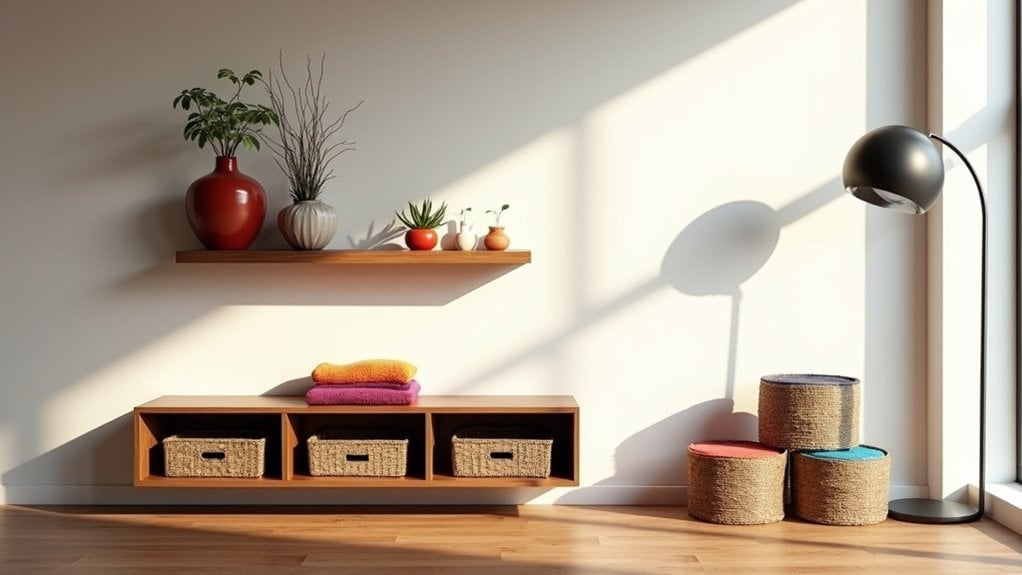
Once you’ve thought about vertical space, it’s worth asking yourself whether your furniture is actually doing enough work for the square footage it’s taking up. A storage ottoman, a bed frame with built-in drawers, or a dining table that folds against the wall can handle two or three jobs at once—and that matters a lot in a small space. You don’t need to replace everything, just start identifying which pieces could pull more weight.
Top Multi-Use Furniture Picks
There are a few multi-use furniture pieces that consistently earn their keep in small spaces, and honestly, they’re worth knowing about before you buy anything.
Some standout options you’ll actually use:
- Convertible coffee tables and lift top benches double as dining surfaces or extra seating without crowding the room
- Sleeper sofas and storage ottomans handle guests and clutter without requiring separate furniture
- Wall mounted desks, modular shelving, and expandable dining tables let you scale your space up or down depending on the day
Nesting tables, foldable chairs, and multi purpose cabinets round things out. They’re not flashy, but they solve real problems.
What do you actually need daily versus occasionally? That question shapes which pieces make sense for your layout.
Maximizing Space With Furniture
Knowing which multi-use pieces exist is one thing, but actually arranging them so your space works for you is a different problem.
Furniture arrangement matters more than most people think. You can own the most stylish storage ottoman in the world, but if it’s blocking foot traffic, it’s just in the way.
Start by mapping out how you actually move through a room. Where do you walk first? Where do you naturally set things down?
Place your multi-use pieces along those paths, not against them. A storage bench near the door makes sense. A bulky shelving unit in the middle of a narrow hallway doesn’t.
Stylish storage only works when it fits your real habits. Think about function first, then figure out the aesthetics.
How to Make Wall Shelves Look Curated, Not Cluttered
Wall shelves can easily go from looking intentional to looking like a dumping ground, and the difference usually comes down to a few small decisions. Shelf styling doesn’t have to be complicated, but it does require you to be a little selective about what actually earns a spot up there.
Start by asking yourself what you’re actually trying to display versus what you’re just storing.
- Use color coordination to create visual calm — group similar tones together instead of scattering random colors
- Leave some empty space intentionally, because not every inch needs to be filled
- Mix heights and textures, but keep the overall feel consistent
You don’t need a perfect system. You just need enough intention that it doesn’t look accidental.
Clever Hiding Spots That Blend Right Into the Room
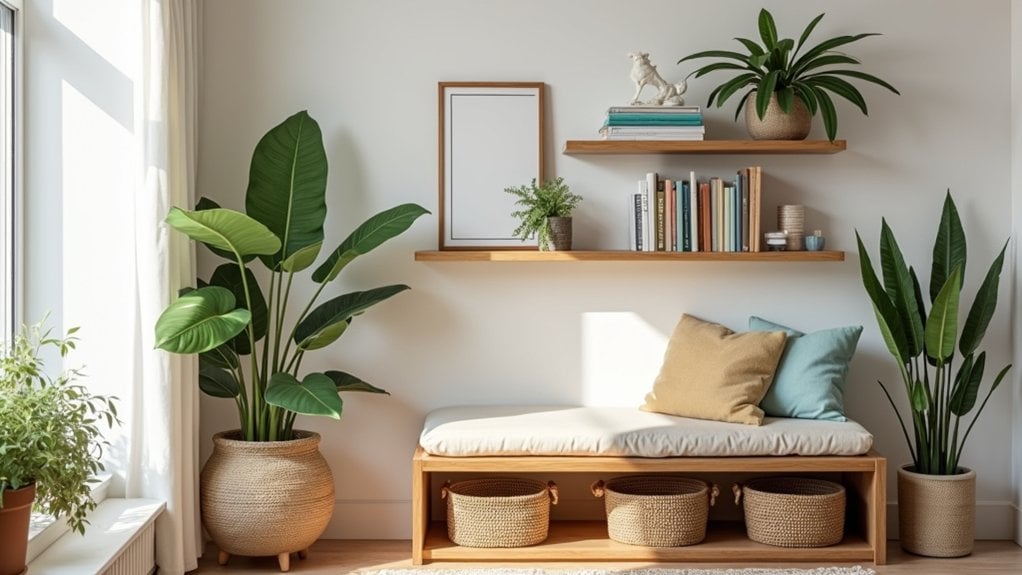
Not everything needs to be on display, and honestly, some of the best storage solutions are the ones you barely notice.
Think ottomans with lift-top lids, beds with built-in drawers, or benches that open up underneath. These concealed compartments don’t announce themselves—they just quietly do their job.
Have you ever walked into a room and thought, *where does all their stuff go?* That’s stylish storage working exactly right.
Built-in cabinetry painted the same color as your walls practically disappears. A coffee table with a hidden shelf underneath keeps remotes and books close without cluttering the surface.
You don’t need to hide everything. But choosing a few key pieces that store things invisibly—that’s where small spaces start feeling surprisingly livable.
How to Use Under-Bed Storage Without the Chaos
Under your bed is genuinely one of the most underused spots in a small space—but it can turn chaotic fast if you’re not a little intentional about it.
The fix isn’t complicated. Good under bed organization really just comes down to using stylish containers that actually fit your bed’s clearance height.
A few things worth thinking about:
- Flat bins with lids keep dust out and stack neatly
- Rolling drawers make access way easier than shoving things around
- Clear containers help you actually remember what’s stored there
What are you storing under there right now? Probably a mix of random stuff you forgot about.
Pick one category—seasonal clothes, extra linens, shoes—and commit to that space holding only that. It makes a surprising difference.
Small Kitchen Storage Ideas That Free Up Counter Space
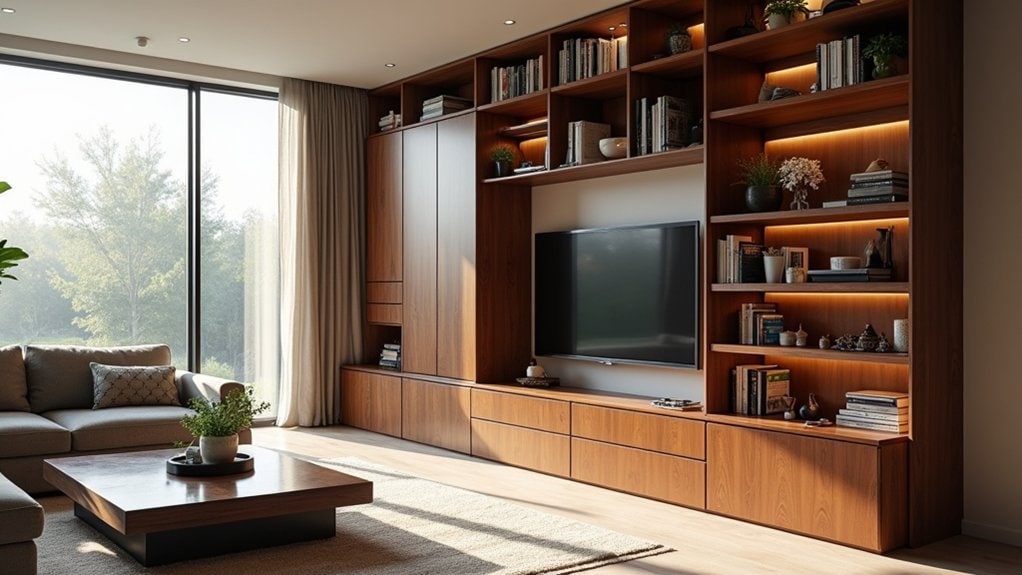
Kitchens are tricky because counter space disappears fast—and once it’s gone, cooking actually gets harder.
Start with kitchen organization basics: mount a magnetic knife strip on the wall, hang a pegboard near the stove, and use the inside of cabinet doors for spice racks or hooks. You’d be surprised how much vertical space you’re ignoring.
Counter decluttering doesn’t mean owning less—it means storing smarter. Move the coffee maker into a cabinet if you only use it mornings. Stack things. Use a rolling cart that tucks away when you don’t need it.
What’s actually sitting on your counter right now that hasn’t moved in weeks? That’s probably the real problem. You don’t have to solve everything at once, honestly. Just start with one surface.
Bathroom Storage When You Have No Linen Closet
If your bathroom doesn’t have a linen closet, you’re honestly not alone—and it’s more workable than it sounds. An over-toilet shelf can grab that empty vertical space you’re probably not using, and baskets or bins can corral the random stuff that tends to pile up on the floor or counter. Your vanity cabinet might also be doing less work than it could, so it’s worth taking a closer look at what’s actually in there.
Over-Toilet Shelving Solutions
When your bathroom doesn’t have a linen closet, the space above your toilet is honestly one of the first places worth looking at. It just sits there, mostly unused.
A floating shelf or a freestanding ladder unit works really well in that spot. You can store towels, extra toilet paper, and even over the toilet plants if you want something that feels less utilitarian.
A few things worth considering:
- Freestanding units don’t require drilling, which matters in rentals
- Stylish storage baskets help keep things contained without looking cluttered
- Adjustable shelving lets you reconfigure as your needs change
How much vertical space are you actually working with? That answer shapes everything. Some units run tall, some stay compact. Measure before you buy anything.
Repurposing Baskets And Bins
Baskets and bins are probably one of the most underrated storage options for a bathroom without a linen closet. You can tuck a large wicker basket in the corner for extra towels, or line a few smaller bins along a shelf for toiletries and hair tools.
Basket styling doesn’t have to be complicated. Pick two or three that share a similar tone or texture, and they’ll look intentional rather than random.
Bin organization works best when you actually assign each one a purpose. One for daily stuff, one for backup supplies, maybe one you’re still figuring out.
What do you keep grabbing that has no real home yet? That’s probably where you start. A basket nearby might honestly solve it faster than you’d expect.
Vanity Cabinet Maximization
Baskets and bins help a lot with open space, but they can’t do everything on their own. Your vanity cabinet is probably doing way less work than it could be. Seriously, when did you last actually look inside it?
Good vanity organization tips start with pulling everything out first. You might be surprised what’s hiding in there.
Here are a few stylish storage solutions worth trying:
- Add a small lazy Susan to rotate products easily
- Use stackable clear bins to separate categories
- Mount a tension rod under the sink to hang spray bottles
You don’t need a linen closet if your vanity cabinet works smarter. Small adjustments make a real difference, even if it takes some trial and error to figure out what fits your space.
Entryway Storage When You Have No Entryway
Not every apartment or home comes with a dedicated entryway, and honestly, that’s more common than you’d think.
So what do you do when there’s no natural drop zone near your front door?
Start simple. A row of entryway hooks mounted near the door handles coats, bags, and keys without eating up floor space. It’s not complicated, but it works.
Stylish baskets on a low shelf or tucked into a corner can hold shoes, umbrellas, or random stuff you’d otherwise leave on the floor. Does it solve everything? Not quite.
You might still struggle with overflow. That’s real.
The goal isn’t a perfect system—it’s reducing the daily chaos of coming and going. Even a small, intentional setup near your door makes a difference.
Closet Organization Tricks That Double Your Space
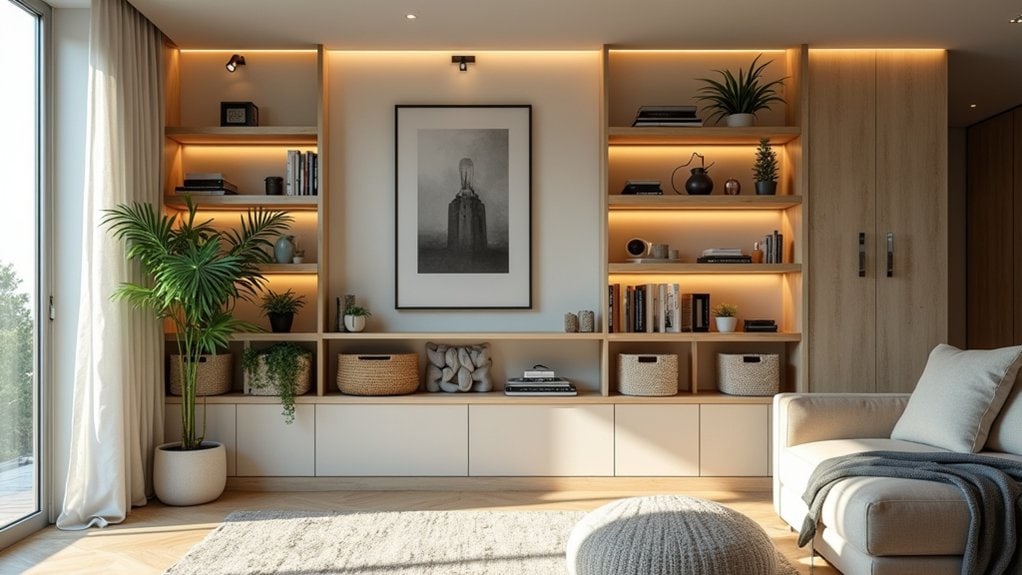
Your closet’s probably not as small as you think—it’s just not set up right. Adding a second hanging rod below your existing one can almost instantly double the space for shorter items like jackets or folded pants, and it costs next to nothing. Shelf dividers keep stacks of sweaters or bags from toppling into each other, which sounds minor but actually makes a real difference in how much you can fit—and how long it stays organized.
Maximizing Vertical Closet Space
Most closets have way more usable space than people realize — it’s just that a lot of it is sitting right above your head, doing nothing.
Start by stacking vertical organizers and tiered shelves above your existing rod. You’re probably leaving a foot or two of empty air up there.
A few things worth trying:
- Hang space saving hangers and garment bags to compress what’s already crowded
- Mount pegboard panels or closet hooks on side walls for bags, belts, and accessories
- Use hanging racks with storage baskets and decorative bins for folded items
Shelf risers also help you double-stack things without buying new furniture. It’s not a perfect system, honestly. But stacking vertically just makes more sense than spreading everything out sideways.
Smart Shelf Divider Strategies
Shelf dividers are one of those things you don’t think about until your sweater pile tips over for the third time.
Once you add them, your shelf styling actually starts to make sense. Stacks stay put. Categories become visible. You stop guessing where things are.
Divider materials matter more than people admit. Acrylic looks clean and almost disappears. Wire feels sturdy but can snag delicate fabrics. Bamboo works well if your space leans warmer or more natural.
Have you thought about adjustable dividers? They’re worth the slightly higher price because your shelves don’t stay the same forever.
Spacing is something most people get wrong the first time. Start wider than you think you need. You can always add another divider later, honestly.
Double Hanging Rod Benefits
A double hanging rod is probably the single most useful thing you can add to a standard closet. It sounds almost too simple, but installing a second rod underneath your existing one genuinely transforms closet productivity in ways you won’t expect.
Think about what you’re actually hanging:
- Short items like jackets, shirts, and folded pants don’t need full-length space
- A double rod setup lets you stack two rows of shorter clothing vertically
- You’re fundamentally doubling your hanging capacity without touching the floor space
The double rod works best when you sort by item length first. What’s actually taking up dead air in your closet right now? Probably more than you’d guess. It’s not a perfect system, but it’s a genuinely practical starting point.
No-Drill Storage Solutions for Renters
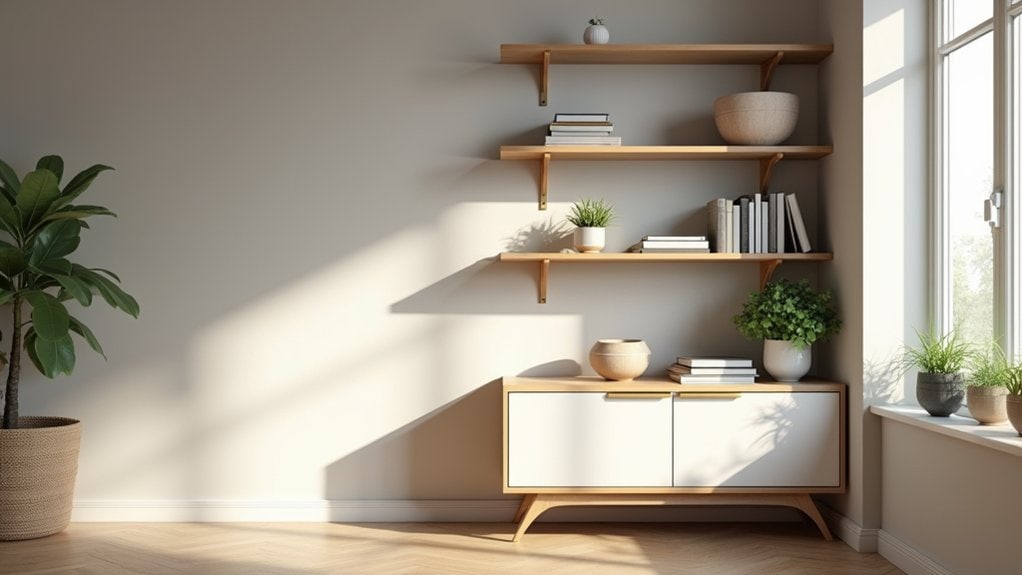
Renting an apartment means you’ve probably got a landlord who’s not thrilled about holes in the walls—so drilling isn’t really an option if you want your security deposit back.
But that doesn’t mean you’re stuck with bare walls and cluttered counters.
Command strips can actually hold floating shelves if you pick the right weight-rated ones. They’re removable, and they don’t leave much damage behind. Decorative hooks work the same way—great for bags, keys, or jackets near your entryway.
Over-the-door organizers are underrated. You’ve got doors everywhere, and most people just… ignore them completely.
Tension rod systems fit inside cabinets or closets without touching anything permanently.
Have you actually looked at what vertical space you’re wasting right now? Probably quite a bit.
Baskets, Bins, and Boxes That Look Good and Work Harder
Once you start paying attention, you’ll notice that most storage containers are either ugly and functional or pretty and useless—and finding something that’s actually both takes a little more thought than people expect.
Decorative organization isn’t just about aesthetics. It’s about choosing pieces that earn their spot visually while doing real work.
A few things worth considering:
- Woven baskets with lids hide clutter without screaming “storage”
- Rigid bins with labels create stylish functionality that actually helps you find things faster
- Stackable boxes in neutral tones blend into shelving instead of interrupting it
What containers are you currently using that you kind of hate looking at?
Small swaps here make a noticeable difference. You don’t need to replace everything at once.
Where to Buy Good-Looking Storage on a Budget
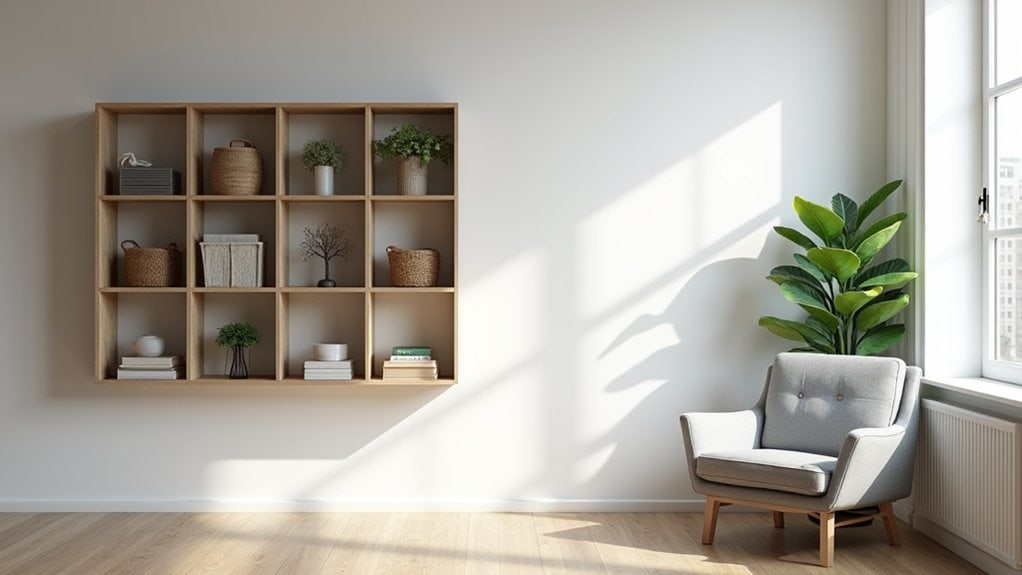
The good news is you don’t have to spend a lot to find storage that actually looks decent in your space. IKEA and Target are obvious starting points—both nail affordable design without making things feel cheap. But honestly, thrift stores and Facebook Marketplace are worth checking too. You’d be surprised what people donate.
Dollar Tree sometimes carries small bins that work fine for drawer organization. Nothing flashy, but functional.
Have you tried looking at H&M Home or TJ Maxx? They carry pieces that hit that stylish functionality sweet spot without the price tag you’d expect.
Amazon works, though quality varies a lot, so read reviews carefully before you order.
The point is—good storage options are out there, and you don’t have to overthink it.
How to Store More Without Making a Room Feel Smaller
Storing more without shrinking a room comes down to three things you’re probably not fully using yet—your walls, your hidden spots, and your furniture itself. Think about it: if you push storage up instead of out, you keep the floor open and the space feeling bigger. Multifunctional pieces like storage ottomans or beds with drawers pull double duty, and hidden solutions like under-stair cabinets or built-ins mean clutter disappears without the room ever feeling stuffed.
Maximize Vertical Wall Space
Most people forget that walls are storage space too. You’ve got all that vertical real estate just sitting there. Floating shelves, sleek wall cabinets, and artful pegboards can hold a surprising amount without eating into your floor space.
Think about what you actually need within reach:
- Decorative hooks and stylish ladder racks work well near entryways for bags, coats, and everyday items
- Vertical storage baskets and hanging organizers keep things accessible without looking cluttered
- Wall mounted planters, chic storage bins, and minimalist wall art can blend storage with something that actually looks intentional
It’s worth asking yourself what’s currently sitting on your floor that could go up instead. Sometimes just adding a few well-placed hanging organizers changes everything about how a small room feels.
Hidden Storage Solutions Work
When you’re short on space, hidden storage might be the most underrated move you can make.
Think about your ottoman. Does it open? It should.
Hidden compartments aren’t just clever—they keep your room looking clean without you constantly tidying up. A coffee table with drawers, a bed frame with lift-up storage, a bench by the door with a hollow seat. These pieces do double duty without announcing it.
Stylish concealment is really just smart design. You’re hiding stuff, but the furniture still looks intentional.
Have you checked what’s wasted under your stairs? Or behind cabinet doors that could’ve been deeper?
You don’t need more room. You need to use what’s already there—just more honestly, more deliberately.
Multifunctional Furniture Saves Space
If your couch could also store your extra blankets, why wouldn’t you want that?
Multifunctional designs solve two problems at once. Ottoman with storage, bed frames with drawers, dining benches that open up—these pieces don’t just sit there looking pretty.
Here’s what actually works in smaller rooms:
- Storage ottomans that double as coffee tables or extra seating
- Beds with built-in drawers underneath, replacing the need for a separate dresser
- Fold-down desks mounted to walls, freeing up floor space when you’re not using them
Stylish versatility doesn’t mean sacrificing how a room feels. You’re still picking pieces you actually like. The difference is those pieces are doing more than one job.
What furniture in your space right now isn’t pulling its weight?
The Biggest Small-Space Storage Mistakes to Avoid
Even with the best intentions, it’s surprisingly easy to make storage decisions that end up working against you.
One of the biggest mistakes is buying storage without a plan. You grab a few bins, stack them somewhere, and suddenly your space feels worse than before. That’s cluttered aesthetics in action — visual noise that actually makes a room feel smaller.
Another issue is ignoring storage psychology altogether. How you store things affects how you *use* things. If your system feels like effort, you won’t stick with it.
Also, don’t underestimate vertical space. Most people focus on floor-level storage and leave entire walls unused.
And honestly? Overdoing it is real. More storage containers don’t automatically mean more organization. Sometimes less actually gives you more breathing room.
Frequently Asked Questions
Can Storage Solutions Work in Oddly Shaped or Angled Rooms?
Yes, you can absolutely make storage work in oddly shaped rooms! Embrace angled shelves that follow your walls’ unique lines, and transform awkward corners into creative nooks that’ll optimize every inch of your unusual space.
How Do I Store Items I Only Use Seasonally in a Small Space?
Use seasonal bins to pack away items you don’t need right now, then slide them into under bed storage to keep them hidden but accessible. You’ll free up valuable everyday space without sacrificing organization or style.
Does Good Lighting Actually Make Small-Space Storage Look Better?
Yes, good lighting absolutely transforms your storage areas! You’ll boost visual appeal by adding ambient lighting inside cabinets or shelves, making spaces feel larger and more intentional. It’s a simple upgrade that’ll make your storage look stylish.
Are There Storage Ideas Specifically Designed for Studio Apartment Layouts?
Yes, you’ll find tons of storage ideas tailored for studio layouts! Use vertical shelving to optimize wall space and invest in multi-functional furniture like storage ottomans or beds with built-in drawers to keep everything organized and stylish.
How Do I Store Large Awkward Items Like Sports Equipment or Luggage?
Use vertical storage like wall-mounted racks or hooks to hang bikes, skis, or bags. You’ll also optimize space when you choose multifunctional furniture, such as ottomans with hidden compartments, to stow away luggage effectively.
Final Thoughts
Small-space storage doesn’t have to feel like a compromise. Start with what’s already annoying you most — the pile on the counter, the closet you avoid opening. Fix that first.
You don’t need to redo everything at once. A few good baskets, one wall shelf, a piece of furniture that actually pulls double duty — that’s honestly enough to change how a room feels.
What’s the one spot that’s been driving you crazy?