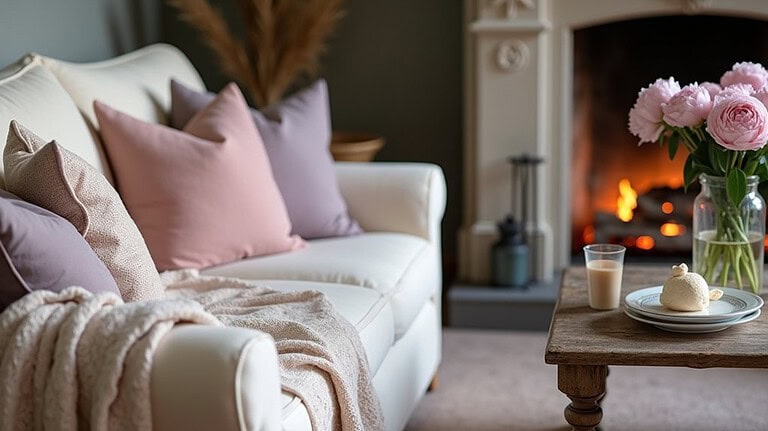
There’s a version of romantic decor that goes too far—red everything, rose petals, the works. But that’s not really what most people want in their everyday space. You want something that just feels warm. Comfortable. Like the room actually knows you. So how do you get that without it looking staged? The answer has more to do with small decisions than big gestures, and it starts with where you put your furniture.
The Essentials
- Arrange furniture to encourage closeness, like pulling chairs together or creating cozy nooks angled away from main spaces.
- Use soft, warm lighting by layering table lamps, floor lamps, and dimmers to create an intimate, flattering atmosphere.
- Place a few well-chosen candles near mirrors with subtle scents like cedar or vanilla for gentle, cohesive ambiance.
- Layer textures such as chunky knits, linen, and silk to add warmth and sensory richness without overwhelming the space.
- Incorporate personal objects, loose botanicals, and small vignettes to tell a story and add authentic, understated charm.
How Furniture Arrangement Creates a More Intimate Space
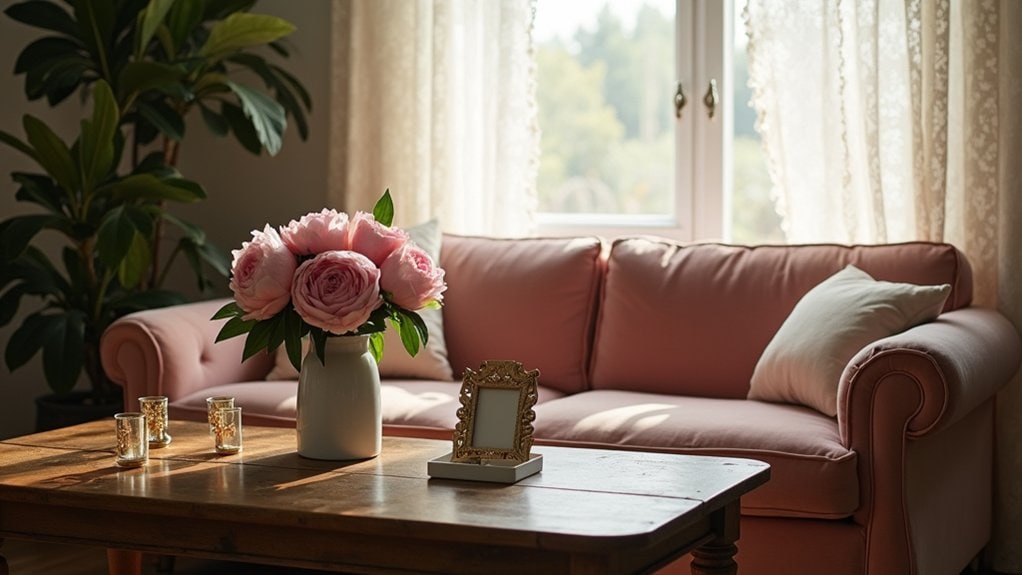
The way you arrange your furniture matters more than most people realize. Pull two chairs closer together and you’ve already created intimate seating without buying anything new. Think about conversational layouts — does your sofa face something worth facing?
Cozy nooks don’t require hidden corners or a whole room redesign. Sometimes a small chair angled away from the main space creates its own personal zone naturally.
Watch your flow interactions too. Open spaces feel airy, but too much empty floor between pieces makes a room feel disconnected rather than welcoming.
Furniture balance isn’t about perfect symmetry. It’s about whether the arrangement pulls people toward each other. Where do guests naturally drift when they walk in? That tells you something worth paying attention to.
Choose a Color Palette That Feels Warm and Romantic
Color does a lot of heavy lifting in a room, maybe more than you’d expect. Soft neutrals and muted hues tend to create a quieter, more intimate feel than bold, saturated shades. Think warm whites, dusty roses, or even a gentle terracotta.
Earthy tones work really well here too. They ground the space without making it feel heavy. Pair those with warm accents—think amber, rust, or deep ochre—and you start building something that actually feels cozy rather than staged.
Romantic contrasts don’t have to be dramatic. Sometimes it’s just a darker wall against lighter cozy textiles. A chunky linen throw. A deeper pillow against a pale sofa.
What colors already exist in your space? Start there before adding anything new.
Soft, Layered Lighting That Sets the Right Mood
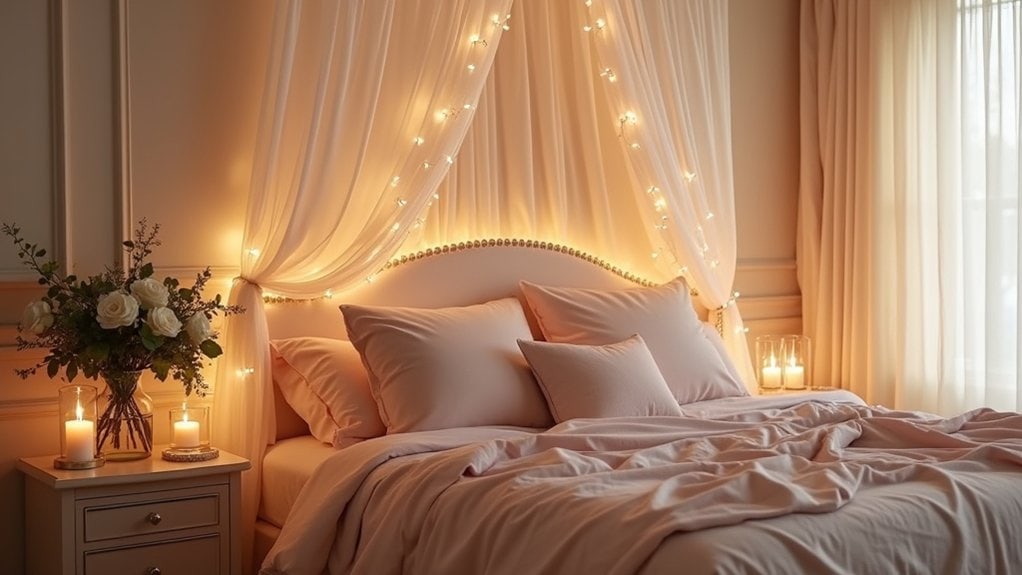
Lighting might actually be the most underrated part of setting up a romantic space, and it’s one of the easiest things to get wrong. If you haven’t installed dimmer switches yet, that’s probably your first move—being able to dial down the overhead light changes the whole feel of a room almost instantly. You’ll also want to think about layering your sources, like combining a low lamp in the corner with some candles on the table, because relying on just one light source tends to feel flat.
Dimmer Switches Change Everything
If you’ve never really thought about your light switches, you’re probably not alone — but swapping out a standard switch for a dimmer might honestly be one of the easiest upgrades you can make to a room.
Dimmers give you actual control over mood enhancement instead of just choosing between fully on or fully off. That’s a bigger deal than it sounds.
You can dial things way down for a quiet evening or bring the light up when you actually need to see something. Light temperature matters too — a warm bulb on a low dimmer setting feels completely different than a bright, cool one.
Have you ever noticed how much a room’s energy shifts just by changing the lighting? It’s kind of worth paying attention to.
Layering Light Sources Effectively
Dimmers are a solid starting point, but they work even better when there’s more than one light source in the room to work with. Think about layering—overhead, floor, and table lamps all doing different jobs.
- Table lamp selection matters more than people think—warmer bulbs create a completely different feel than cool white ones
- Mix heights so the light isn’t all coming from one level
- Ambient temperature control affects how warm or cool the overall glow feels, so pay attention to your bulb’s Kelvin rating
Do you actually have more than one light source in the space right now? If not, that’s probably where to start. Even adding one well-placed table lamp shifts the whole energy of a room noticeably.
Candles That Create Romance Without the Cliché
Candles can do a lot for a room, but they’re easy to overdo.
Skip the dozen tea lights scattered everywhere. Instead, think about candle placement first. A few well-chosen candle holders in different heights create more visual interest than a crowded candle arrangement ever will.
Candle types matter too. Pillar candles, tapers, and votives each cast a different soft glow. Mix them thoughtfully.
Flickering flames already do the heavy lifting atmospherically, so you don’t need much else. Two or three candles placed near a mirror? That’s honestly enough.
With scented candles, go lighter than you think. Romantic scents like cedar or soft vanilla work best when subtle. One scented candle per room, maybe. Too many competing smells ruins the whole thing fast.
How Sound and Music Shape the Mood of a Room
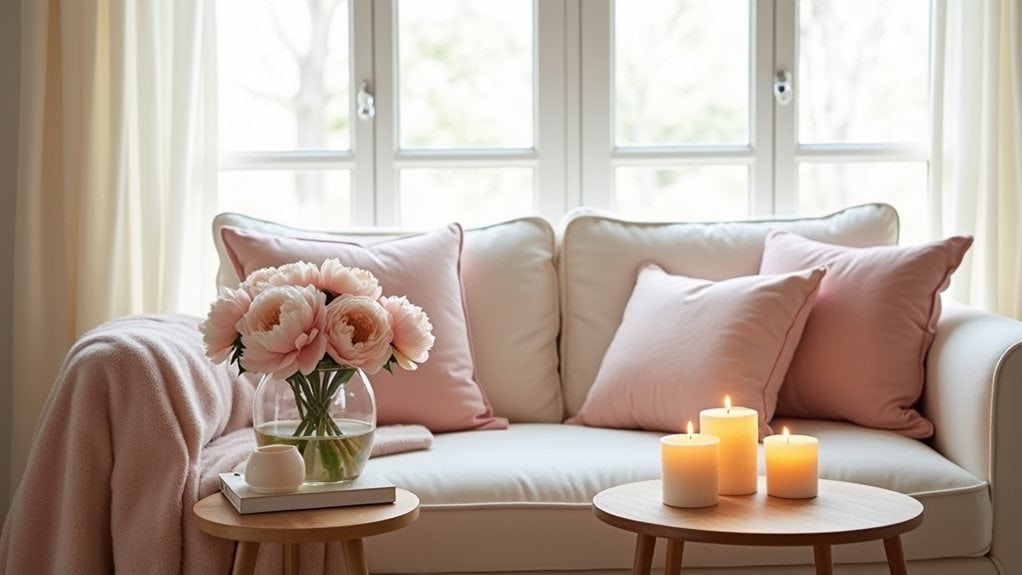
Sound’s kind of an underrated part of setting a mood, honestly—what’s playing in the background shapes how a space *feels* just as much as lighting or furniture does. Think about what you’re actually putting on a playlist: a few slow, unhurried songs pull the energy down in a good way, while something too upbeat or random can quietly work against the atmosphere you’re going for. And where you put your speaker matters more than you’d think—a single speaker shoved in a corner sounds different than one placed at a comfortable mid-room height, closer to where you’re actually sitting.
Curating Romantic Playlists
Music does something to a room that you can’t always explain. It shifts the energy without moving a single piece of furniture. And when you’re thinking about mood setting, your playlist genres matter more than you’d expect.
So what actually works for a romantic atmosphere?
- Soft jazz or lo-fi soul tends to feel warm without trying too hard
- Acoustic covers of familiar songs can feel surprisingly intimate
- Classical guitar sits quietly in the background without demanding attention
You don’t need a perfect playlist. You need one that doesn’t pull you out of the moment. Think about tempo, not just genre. Slower doesn’t always mean better, but it usually helps.
What does your current playlist say about the room you’re trying to create?
Speaker Placement Matters
Two speakers pointed at each other across a dining table will cancel out more than you’d think.
Placement shapes your acoustic ambiance more than the speakers themselves sometimes. Try angling them toward a shared listening spot instead—usually where you’re actually sitting together.
Walls reflect sound differently than open spaces. A speaker buried in a bookshelf sounds muddier than one sitting slightly forward.
And honestly, speaker aesthetics matter too. A chunky plastic speaker sitting on a romantic dinner table pulls attention in the wrong direction. Smaller, neutral-toned options blend in better.
Have you ever noticed how music feels louder in some spots and almost absent in others? That’s placement doing its thing.
Experiment a little before your next evening in. Small adjustments change how a room actually feels.
How the Right Scent Makes Your Home Feel More Romantic
Scent is one of those things that most people completely overlook when they’re trying to make a space feel more intimate. Your olfactory experiences shape mood influences more than you’d expect. Scent memories are powerful — they pull emotions forward without warning.
Try scent layering instead of relying on one source. Think about fragrance notes the way you’d think about background music.
A few starting points:
- Essential oils in a diffuser give you control over intensity
- Aromatic candles with warm, woody bases create subtle romantic aromas
- Linen sprays work quietly in the background
What scents actually make you feel relaxed? Start there. Don’t overthink it.
Luxurious Textiles That Create a Romantic, Inviting Feel
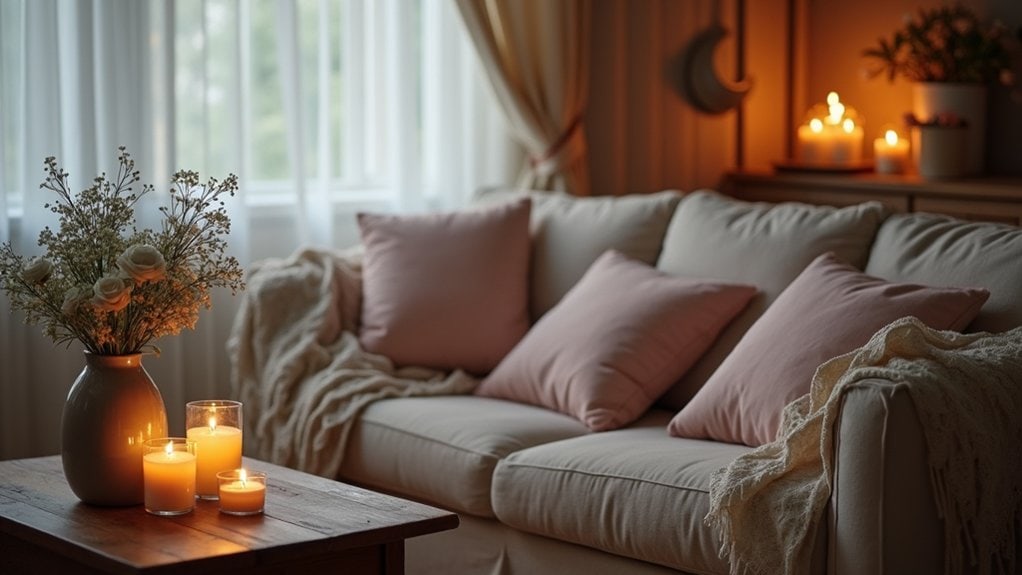
If you’ve ever slid into a bed with high-quality sheets, you already know the difference textiles can make. Luxurious fabrics don’t have to scream romance — they just need to feel good and look intentional.
Start with inviting textures. Add plush cushions to your sofa. Layer cozy throws across the foot of your bed. Sumptuous rugs anchor a room and make bare floors feel less cold.
Romantic patterns work subtly — think warm weaves or delicate lace on a pillow cover rather than everywhere at once.
Soft silks on curtains or elegant drapes framing a window genuinely change how a room feels. It’s worth experimenting.
What fabrics do you actually enjoy touching? That’s probably your answer.
Understated Botanicals That Add Romantic Softness
Plants and flowers don’t need to be dramatic to shift the mood of a room. A few thoughtful choices go a long way.
Consider starting small:
- Potted herbs on a windowsill or terrarium displays tucked onto a shelf feel grounded, not overdone
- Trailing vines and hanging plants soften hard edges in ways that furniture just can’t
- Seasonal blooms in a simple vase, succulent gardens on a side table, or even botanical prints on the wall quietly pull a space together
Floral arrangements don’t have to be elaborate either. Something loose and natural-looking often works better than anything structured.
What draws you to a room, honestly? It’s usually something living, something that breathes a little life into the space without demanding your full attention.
How to Style Small Vignettes That Feel Intentional
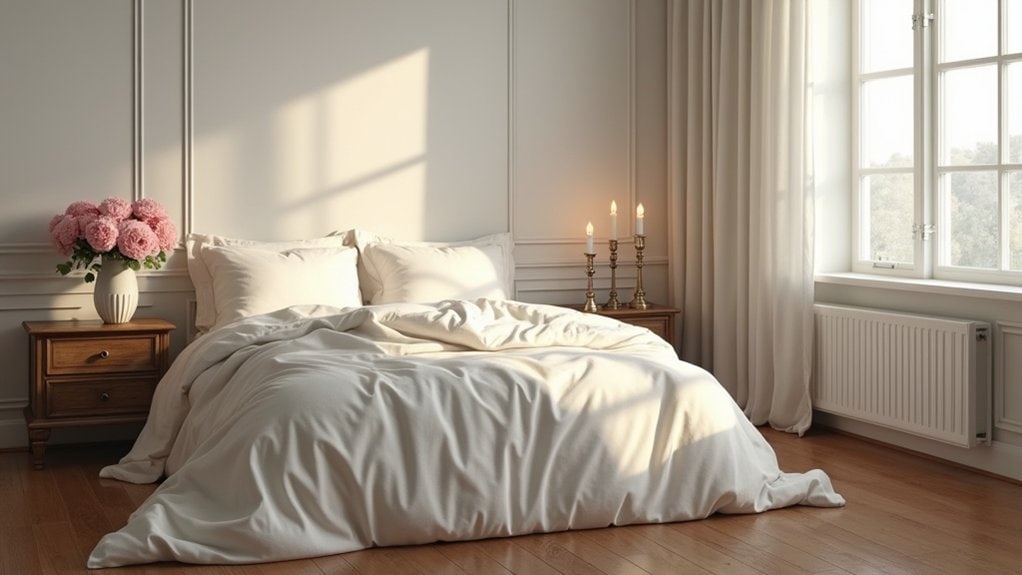
Most people overlook how much a small grouping of objects can do for a room. Vignette styling isn’t complicated, but it does require some thought. Pick three objects in varying heights—something personal, something natural, something useful. A candleholder, a small book, a dried sprig. That’s honestly enough.
What makes intentional decor feel different from clutter is restraint. You’re making a choice to stop adding. Leave space between objects so each one gets room to exist.
Think about where your eye lands when you walk in. Is there a shelf, a nightstand, a windowsill you keep ignoring? Start there.
You don’t need matching pieces. You just need things that feel like they belong together for a reason you can actually explain.
Meaningful Objects That Make a Room Feel Personal
There’s a difference between decorating a room and actually living in it. Personal treasures, family heirlooms, travel souvenirs — these things carry weight that store-bought decor just doesn’t. Sentimental artwork from a trip you took years ago. A vintage piece you found at a flea market. Cherished memories don’t need fancy frames to feel meaningful.
Ask yourself: what objects actually mean something to you?
- A shelf with unique finds you’ve collected over time
- Meaningful quotes written in your own handwriting, simply framed
- Vintage pieces that belonged to someone you loved
You don’t need to explain every item to guests. The point is that youknow why it’s there. That quiet knowing is honestly what makes a room feel like yours.
Simple Bedroom Touches With a Big Romantic Impact
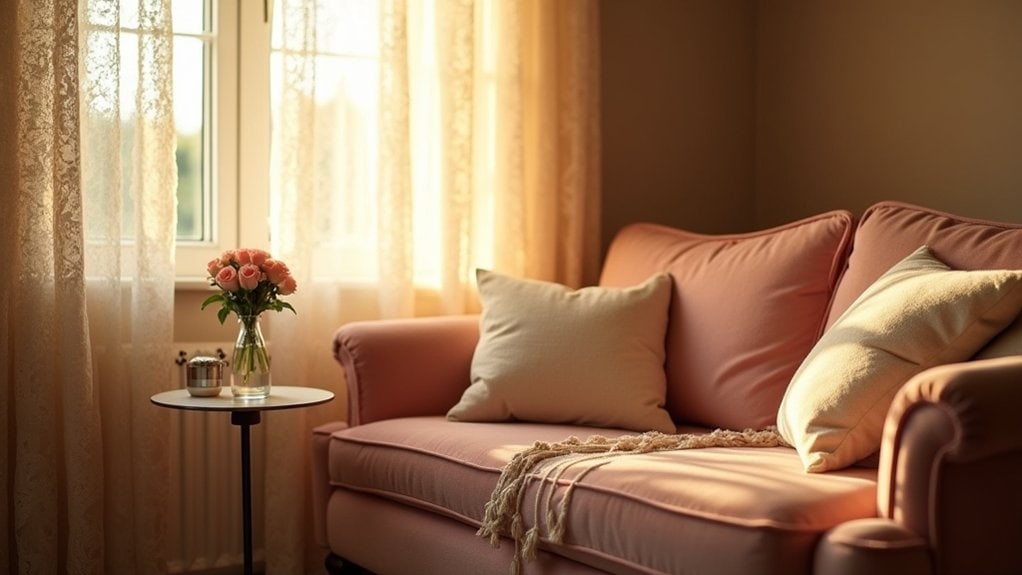
Your bedroom doesn’t need a total overhaul to feel more romantic—sometimes it’s honestly just about the lighting. Swap out a harsh overhead bulb for something warmer, maybe a bedside lamp with a soft glow, and you’ll notice the whole room shifts. Then throw in an extra blanket or two, layer a few different textures across the bed, and suddenly the space feels a lot more inviting, like somewhere you’d actually want to linger.
Soft Lighting Creates Ambiance
Lighting might be the single easiest thing you can change in a bedroom to shift the whole mood of the space. Harsh overhead lights kill any sense of romance fast. Soft, warm mood lighting changes everything without requiring much effort or money.
A few simple swaps can make a real difference:
- Replace cold white bulbs with warm-toned ones that cast ambient colors like soft gold or amber
- Add a small lamp on your nightstand instead of relying on overhead fixtures
- Try a dimmer switch if you haven’t already—it’s genuinely underrated
Have you noticed how different a room feels just by lowering the lights? It’s subtle, but your brain picks up on it. Warmer, dimmer light signals rest and closeness naturally.
Layered Textiles Add Warmth
Once you’ve sorted the lighting, the next thing worth looking at is what’s actually on your bed—and around it.
Textile combinations matter more than people think. A chunky knit throw tossed over a linen duvet already changes the whole feel of a room. You’re building warmth layers without really trying that hard.
Think about texture before color. A velvet pillow against cotton sheets does something interesting. Does it match perfectly? Not really. But that’s kind of the point.
You don’t need to buy everything at once. Start with one throw. See how it feels. Add a second pillow in a different fabric later.
It’s less about looking styled and more about feeling like the room actually wants you there.
Frequently Asked Questions
Can Romantic Home Decor Work in Small Apartments or Studio Spaces?
Yes, you can absolutely make romantic decor work in small spaces! You’ll create an intimate atmosphere by layering soft textiles like throw blankets and pillows, then adding cozy lighting through candles or warm-toned lamps.
How Do I Make Shared Spaces Feel Romantic Without Alienating Roommates?
Focus on universally appealing touches everyone can enjoy. Add cozy lighting like warm-toned lamps and layer soft textiles such as throw blankets. These subtle upgrades create an inviting atmosphere without imposing a romantic theme on your roommates’ shared space.
What Is the Ideal Budget for Achieving a Romantic Home Aesthetic?
You don’t need to spend a fortune! Aim for $50–$150 using budget-friendly options like candles and soft lighting. Add cozy textiles such as throw blankets and pillows to create an effortlessly romantic atmosphere without overspending.
Can Romantic Decor Styles Complement Modern or Minimalist Interior Design?
Yes, romantic decor can absolutely complement modern or minimalist design! You’ll want to layer soft textiles like linen throws and incorporate subtle lighting through warm-toned bulbs to add intimacy without cluttering your clean, contemporary aesthetic.
How Often Should I Refresh My Home’s Romantic Decor Elements Seasonally?
You should refresh your romantic decor swaps every season—that’s four times a year. Embrace seasonal themes by swapping out candles, textiles, and florals to keep your space feeling fresh, intimate, and effortlessly inviting without overwhelming your existing design.
Final Thoughts
You don’t need to overhaul your entire home to make it feel more romantic. Small shifts — a candle here, a rearranged chair there — actually add up more than you’d think. Start with one room, maybe even one corner. What already exists that you love? Work from that. The goal isn’t a perfect space. It’s a space that feels genuinely like yours, just a little warmer.