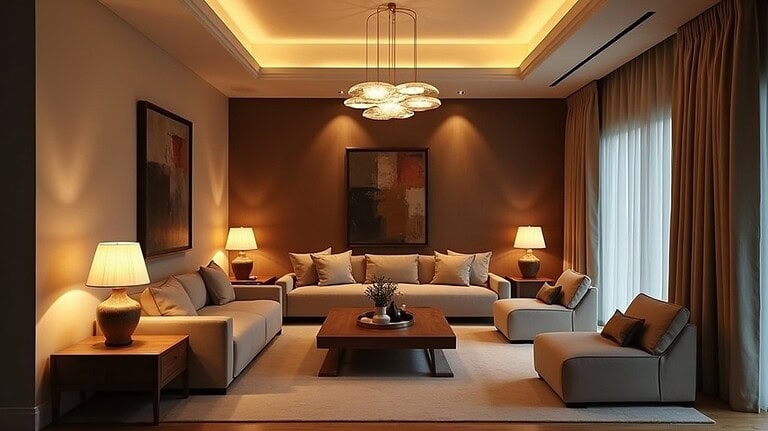
If you’ve ever walked into a room and felt like something was off, lighting is probably the culprit. Most people don’t think much about it beyond flipping a switch, but there’s actually a method to getting it right. It comes down to three layers — ambient, task, and accent — and once you understand how they work together, you’ll start noticing what your space is missing.
The Essentials
- Ambient lighting, such as ceiling fixtures, sets the overall mood and provides general illumination for any room.
- Task lighting delivers focused light for specific activities like reading or cooking, reducing eye strain significantly.
- Accent lighting highlights artwork, shelving, or architectural features, adding depth and visual interest to spaces.
- Layering all three lighting types together creates a balanced, functional, and aesthetically pleasing room environment.
- Dimmers and strategic fixture placement allow flexible control over all three lighting layers without costly overhauls.
Ambient, Task, and Accent: The Three Layers of Home Lighting
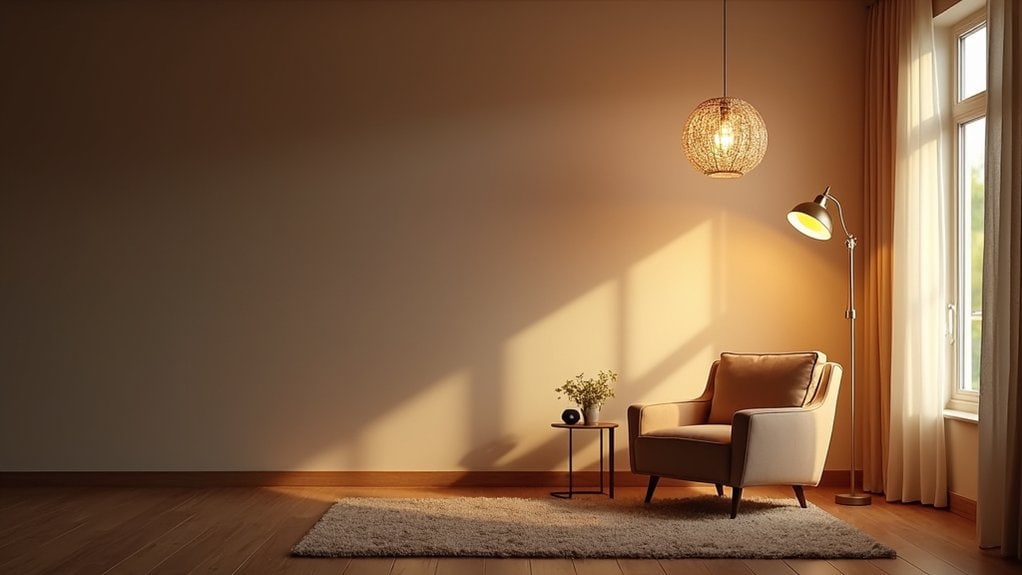
Lighting your home well really comes down to understanding three basic types: ambient, task, and accent. Ambient options set the overall mood — think ceiling fixtures or natural light that fills a room evenly. Without it, everything just feels dim and a little off.
Task placement matters more than people realize. You need focused light where you’re actually working — over a desk, above a kitchen counter, beside your reading chair. Wrong placement and you’re constantly squinting.
Accent techniques add visual interest, drawing attention to artwork, shelves, or architectural details you want people to notice.
Here’s something worth asking yourself: which lighting styles does your space actually need right now? Most rooms are missing at least one layer — and that gap usually explains why the space never feels quite right.
How to Layer Home Lighting in Every Room
Every room has different needs, and that’s actually the part most people skip over when they’re trying to figure out why their lighting feels off.
Start with your overhead fixtures—they handle general coverage. Then ask yourself what tasks happen in this specific room. Reading? Cooking? Add floor lamps or wall sconces where you actually need focused light.
Don’t forget lighting dimmers. They let you adjust the mood without swapping bulbs or fixtures. That flexibility matters more than people realize.
Also, look at your natural light first. What time of day is this room most used? That changes everything about what you add artificially.
Layer gradually. You don’t have to do it all at once, and honestly, most rooms evolve over time anyway.
Common Home Lighting Mistakes and How to Fix Them
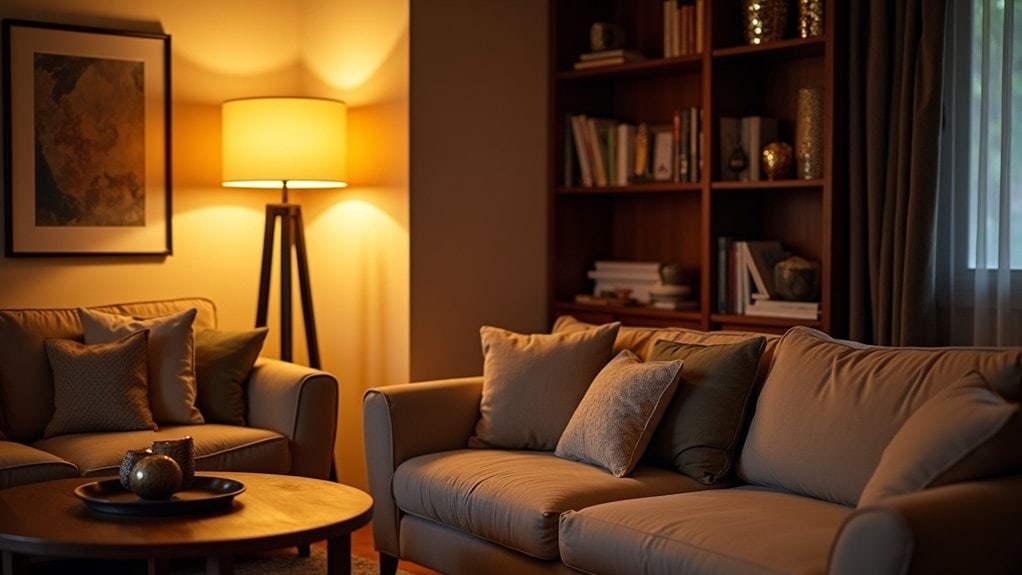
Once you’ve got a handle on layering your lighting, the next step is figuring out what’s actually going wrong in the spaces that still feel off.
A few mistakes show up constantly:
- Relying only on overhead lighting — one ceiling fixture rarely covers a whole room well
- Ignoring lighting color — warm and cool bulbs mixed together create a weird, unsettled feeling
- Placing lights without thinking about shadows, which just makes everything feel flat
Does your room feel harsh or weirdly dim even with lights on? That’s usually a sign something’s off with placement or bulb choice.
Start small. Swap a bulb. Add a lamp somewhere unexpected. You don’t have to overhaul everything at once to notice a real difference.
Frequently Asked Questions
What Are the Most Energy-Efficient Bulb Options for Home Lighting?
You’ll find LED bulbs are your most energy-efficient option. Their LED advantages include using 75% less energy than incandescent bulbs, and their impressive bulb longevity means they’ll last up to 25 times longer.
How Do Smart Lighting Systems Enhance Home Ambiance and Convenience?
Smart lighting systems transform your home’s ambiance by letting you control brightness, color, and schedules effortlessly. With smart home connectivity and user-friendly controls, you’ll create perfect moods for any occasion while saving energy and enhancing everyday convenience.
What Lighting Considerations Are Important for Home Resale Value?
When boosting resale value, you’ll want to focus on fixture upgrades throughout your home and enhance curb appeal with well-placed exterior lighting. You’re creating a strong first impression that attracts buyers and justifies a higher asking price.
How Does Natural Light Interact With Artificial Lighting Throughout the Day?
As daylight variations shift throughout the day, you’ll notice your artificial lights competing with or complementing sunlight. Morning sun creates shadow play that your lamps can’t replicate, so you’ll want dimmers to balance both sources effectively.
What Safety Regulations Should Homeowners Follow When Installing Lighting Fixtures?
You should always consult wiring diagrams before installation and hire a licensed electrician for complex work. Follow local building codes, guarantee proper fixture placement, use correct bulb wattages, and don’t overload circuits to stay safe.
Final Thoughts
Lighting’s honestly one of those things you don’t think about until it’s wrong. Too harsh, too dim, or just… flat.
Start small. Swap one bulb, add a lamp, try a dimmer. See what changes.
You don’t need to redo everything at once. Just ask yourself — does this room actually work for how you use it?
That’s really the whole point.