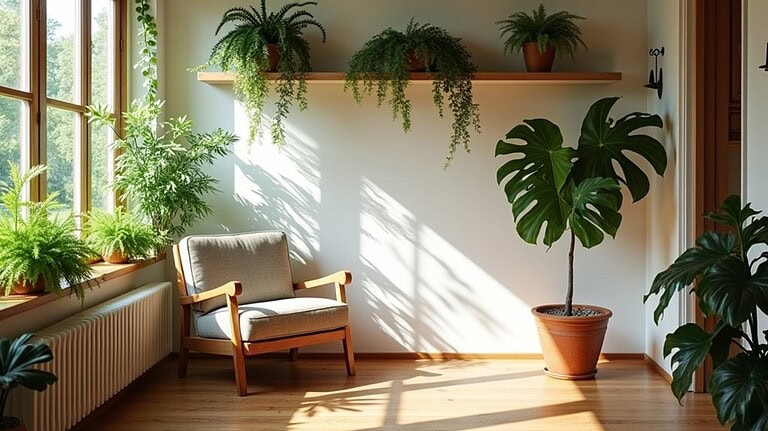
You’ve probably walked past a plant at a nursery and thought, “I could do that.” Maybe you even bought one, and it didn’t go well. Bringing greenery inside isn’t complicated, but there’s more to it than just picking something that looks nice. Light, space, your actual habits — all of it matters more than you’d think. What works for your home might surprise you.
The Essentials
- Start with forgiving plants like pothos or snake plants, matching your home’s light conditions and personal watering habits for success.
- Assess natural light carefully; south-facing windows provide the best light, while seasonal changes can unexpectedly stress your plants.
- Place plants strategically in bright spots, humid bathrooms, or styled corners, starting with one plant to gauge its response.
- Acquire plants affordably through cuttings, propagation, dollar stores, or social media plant-swapping communities.
- Avoid common mistakes like overwatering, poor lighting, and using garden soil instead of proper potting mix.
Start Here If You’ve Never Owned an Indoor Plant
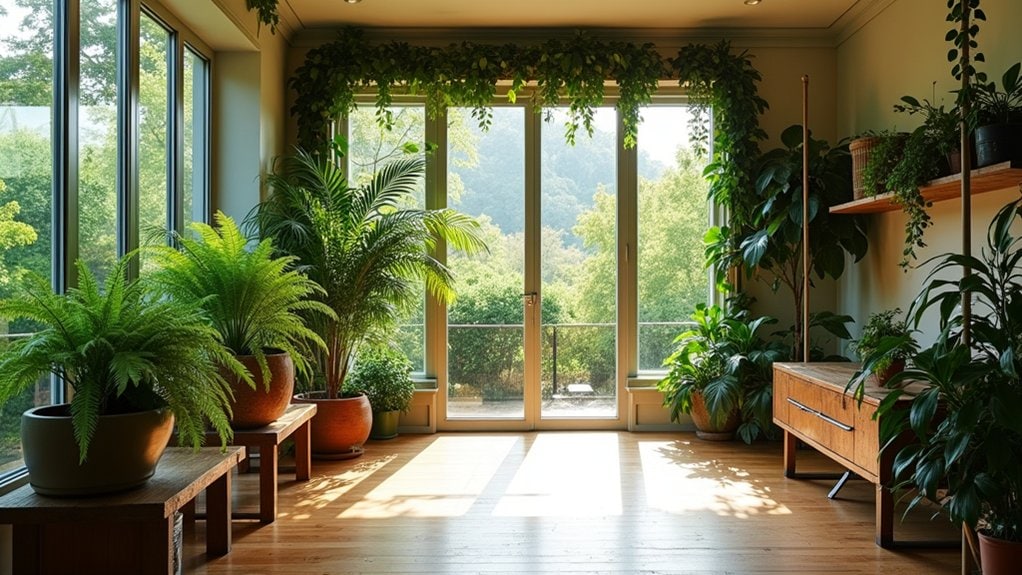
If you’ve never owned an indoor plant before, that’s completely fine — you’re starting somewhere, and that already puts you ahead of just thinking about it.
Beginner plant care doesn’t have to feel overwhelming. Start with something forgiving — a pothos or snake plant works well because they don’t need much attention.
Indoor plant benefits go beyond looks. Your air quality can improve, and honestly, having something alive in your space shifts how the room feels. Not dramatically, but noticeably.
Ask yourself how much natural light your space actually gets. That one question shapes almost every decision you’ll make.
You don’t need a perfect setup. You just need to start paying attention — to the soil, the leaves, the light. That’s really it.
Budget-Friendly Ways to Fill Your Home With Indoor Plants
There are a few ways to build up a decent plant collection without spending much — and honestly, most people don’t realize how many options exist before they even step into a store.
Start by asking friends or neighbors if they propagate cuttings. A lot of plant owners have extras they’re happy to give away.
DIY plant projects, like propagating pothos in a glass of water, cost almost nothing and actually work.
Affordable plant options show up regularly at dollar stores, grocery stores, and seasonal sales — places you might not think to check.
Have you considered swapping cuttings with someone online?
Local community groups on Facebook move plants constantly. You might spend five dollars and come home with three new ones.
How to Choose the Right Indoor Plants for Your Space
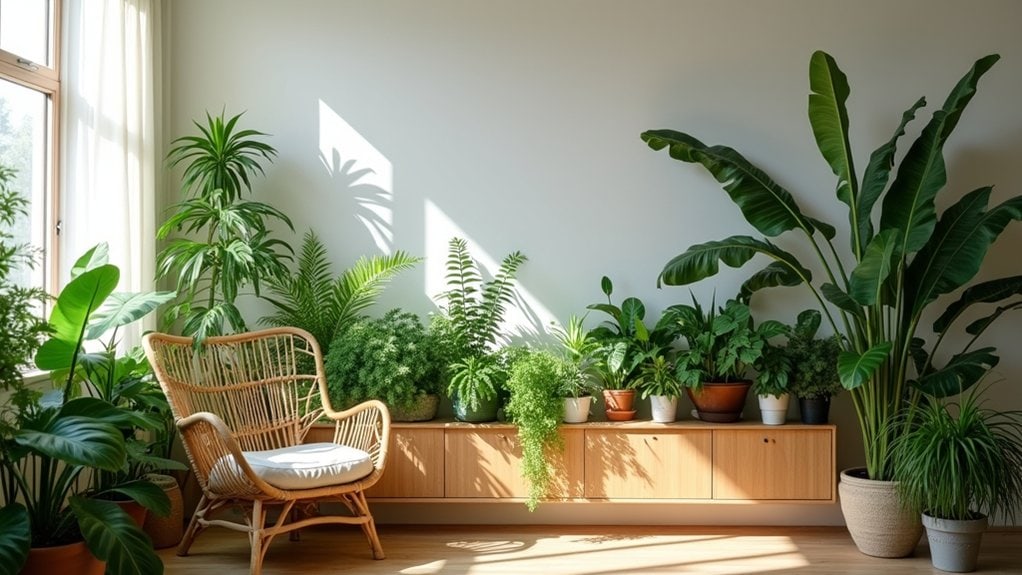
Once you’ve got a few plants coming your way — through swaps, cuttings, or a lucky grocery store find — the next thing worth thinking about is whether those plants will actually survive in your home.
Not every indoor plant varieties will work in every space. A low-light apartment needs different plant selection tips than a sun-drenched room with south-facing windows.
Start by asking: how much natural light do you actually get? Be honest. A lot of people overestimate this.
Then think about your schedule. Do you forget to water things? Because some plants genuinely don’t care if you do.
Match the plant to the real conditions you have — not the conditions you’re hoping for. That small shift makes a noticeable difference.
How Much Light Do Your Indoor Plants Actually Need?
Once you’ve picked out your plants, you’ll need to figure out how much light they actually need—and honestly, this trips a lot of people up. Some plants do fine in a dimly lit corner, while others need a spot right next to a window to survive. It’s worth thinking about which rooms get the most natural light in your home before you decide where anything goes.
Understanding Plant Light Requirements
Light is probably the single biggest factor that determines whether your indoor plants thrive or slowly decline, and it’s also the thing most people misjudge.
Different plant types have genuinely different photosynthesis needs, and that matters more than most care guides admit.
Room orientation shapes light intensity and light duration throughout the day. A south-facing window hits different than a north-facing one — dramatically so. Seasonal changes shift that further, sometimes in ways you won’t notice until your plant already looks rough.
Think about plant placement in relation to actual light spectrum quality, not just brightness. Indoor climate affects how plants absorb that light too.
Growth patterns often reveal mismatches before you consciously notice them. Is your plant leaning, stretching, or stalling? That’s worth paying attention to.
Low Light Plant Options
“Low light” is one of those labels that gets thrown around a lot, but it doesn’t actually mean no light — and that distinction matters more than you’d think.
These plants can handle dimmer spots — corners, north-facing windows, spaces a few feet back from the glass. Think snake plants, ZZ plants, cast iron plants, and dracaena marginata. They’re forgiving, but they’re not indestructible.
Peace lilies, pothos vines, and philodendron heartleaf do well in lower light too, though they’ll grow slower. Spider plants and chinese evergreen are similarly adaptable. Rubber trees can push into low light conditions, though they’d honestly prefer a bit more.
The real question is — how low is your low light, exactly? That answer changes everything.
Maximizing Natural Light Sources
So if you’re sitting there wondering whether your low-light plant is struggling or just… slow, the answer probably comes down to how well you’re actually working with the light you have.
Natural light benefits your plants more than any grow lamp will, honestly.
Start by mapping your windows. South-facing windows get the most sun throughout the day. North-facing ones? Much dimmer.
Rotate your plants every week or two so each side gets exposure. Don’t just set it and forget it.
Maximizing sunlight exposure sometimes means simply moving a plant two feet closer to the window. That small shift genuinely matters.
Also, clean your windows. Dust and grime block more light than you’d think.
What’s actually standing between your plant and the light it needs?
The Best Spots in Your Home for Indoor Plants
Now that you’ve got a handle on your home’s light situation, it’s worth thinking about which specific spots actually make sense for your plants. Bright windows are usually the obvious starting point—south- or east-facing ones especially—but don’t overlook your bathroom, where the humidity alone can keep certain plants thriving with minimal effort. Living room corners get skipped a lot, honestly, even though a well-placed plant there can do just fine if you’re choosing the right species for lower light.
Bright Window Locations
When it comes to finding the right spot for your indoor plants, bright window locations are usually your best bet. Maximizing sunlight means your plants actually thrive instead of just surviving. Have you noticed how a plant near a sunny window looks so much more alive?
Here are 4 bright window benefits worth considering:
- Your plants grow faster and reward your effort visibly
- You feel more connected to nature right inside your home
- Your space feels warmer and genuinely more welcoming
- You gain confidence watching something flourish under your care
South-facing windows tend to offer the most light. East-facing ones work well for plants that prefer gentler morning sun. It really depends on what you’re growing and where you live.
Humid Bathroom Spaces
Bathrooms might actually be one of the more underrated spots for plants in your home. The natural humidity control that showers and baths create works really well for certain tropical plants that struggle elsewhere in the house.
Think ferns, pothos, or peace lilies — they genuinely thrive in that warm, steamy environment.
But plant selection still matters here. Not every plant loves constant moisture. Succulents, for example, would hate it. You want plants that naturally prefer humid conditions, not ones that’ll just tolerate it for a while.
Also worth thinking about — does your bathroom get any natural light? A windowless bathroom limits your options pretty greatly.
Start small. One plant. See how it responds before committing to anything bigger.
Cozy Living Room Corners
Living rooms are probably where most people start when they think about adding plants — and honestly, that makes sense. It’s where you spend real time. A cozy nook near your sofa, a shelf above the TV — plant styling here can actually change how the room feels.
Consider what you want your living room to do for you:
- Give you a place that feels calm after a long day
- Make guests feel genuinely welcomed
- Help you slow down without even trying
- Create a corner that feels like yours
You don’t need a lot of plants. Maybe just one or two in spots you already look at. Where do your eyes naturally rest when you sit down? Start there.
Creative Ways to Display Indoor Plants in Any Room
Once you’ve decided to bring plants indoors, figuring out where and how to display them is honestly half the fun. Try hanging planters near windows or in corners where floor space is tight. Decorative pots instantly make even a basic plant look intentional. Have you considered terrarium displays for smaller plants? They’re surprisingly low-maintenance. Plant shelves let you layer different heights without crowding one spot. Wall mounted planters work well in kitchens or hallways. Grouped arrangements create a fuller, more cohesive look than scattering plants randomly. Plant stands elevate single statement plants nicely. Don’t overlook window sills for herbs or trailing vines. You can even build small indoor gardens using repurposed containers like old crates or tins. There’s really no single right approach here.
Which Outdoor Plants Can Actually Thrive Inside?
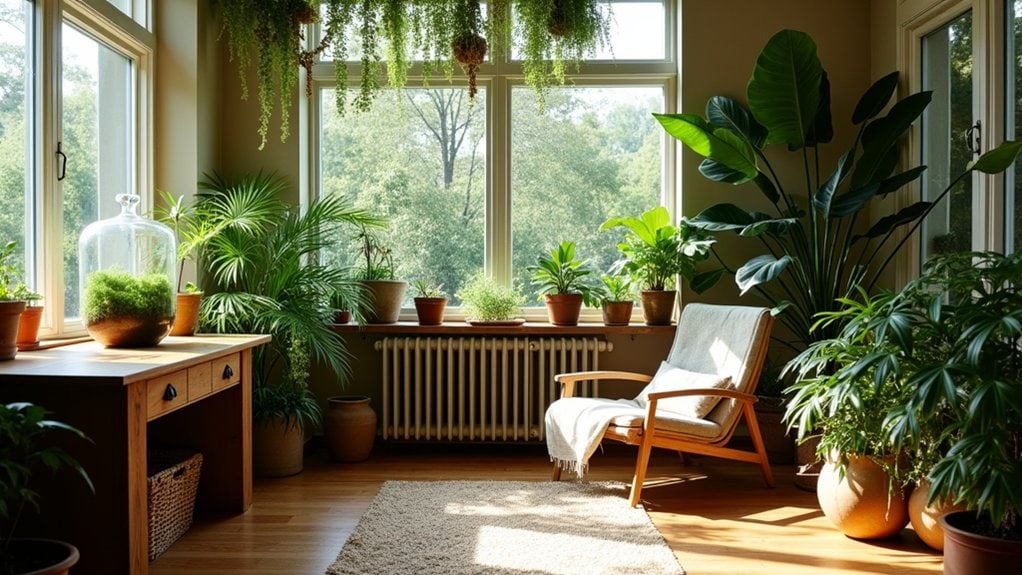
Surprisingly, quite a few plants you’d normally grow outside can actually do well indoors if you match them to the right conditions. Outdoor plant selection matters more than people realize—you can’t just drag anything inside and hope it survives.
Here are 4 plants worth trying:
- Rosemary – It needs bright light, but it’ll reward you with fragrance and fresh herbs.
- Dwarf citrus trees – They’re fussier, honestly, but seeing actual fruit grow indoors feels incredible.
- Lavender – It craves sunlight and good airflow. Don’t crowd it.
- Geraniums – Surprisingly adaptable and forgiving.
Indoor climate adaptation is the real challenge. Too little light or inconsistent watering and things go sideways fast. What conditions can you realistically offer?
Build a Living Green Wall That Makes a Statement
A green wall is one of those projects that looks intimidating until you actually break it down. Start with wall mounted planters arranged in a loose grid — nothing too perfect. Pick plants with varied green textures, like ferns, pothos, or creeping fig, to keep the visual interest going. Your vertical garden doesn’t need to cover an entire wall to work as a statement piece.
Think about space utilization first. Where do you actually spend time? That’s where living art belongs.
For maintenance tips, choose drought-tolerant varieties if you’re forgetful about watering. Honestly, that’s most people. Your indoor oasis should feel manageable, not stressful.
Use this as design inspiration — your green wall can shift plant aesthetics in a room without a full renovation. Small sections work fine.
How to Keep Indoor Plants Healthy Through Every Season
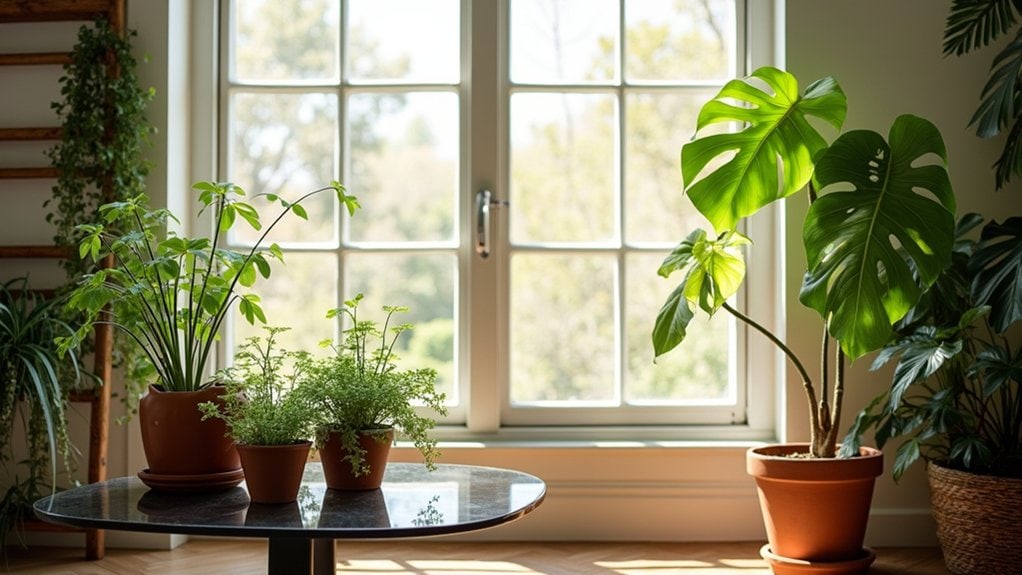
Keeping plants alive year-round is honestly less about having a green thumb and more about paying attention to what changes around them. Seasonal care isn’t complicated, but it does require you to actually notice things—like how much light shifts in winter or how dry your air gets when the heat kicks on.
Here’s what tends to make the real difference:
- Adjust your watering schedule when seasons shift
- Revisit plant nutrition every few months, not just once
- Move plants closer to windows as daylight shortens
- Check for pests more often during warm months
You don’t need to overhaul everything. Just stay curious about what your plants are actually doing. Are the leaves telling you something? They usually are.
Long-Term Care Habits That Keep Indoor Plants Thriving
Once you get past the basics of watering and light, the habits that actually keep plants thriving long-term are less dramatic than you’d expect.
Consistent plant nutrition matters more than most people realize. A simple liquid fertilizer every few weeks during the growing season is usually enough. You don’t need to overthink it.
Pest management is the other thing worth staying on top of. Check the undersides of leaves occasionally. Catching a problem early saves a lot of trouble later.
Rotate your plants every so often so they don’t lean awkwardly toward the light source.
Wipe dusty leaves down with a damp cloth.
Repot when roots start crowding the container.
None of this is complicated — it’s really just about paying attention consistently rather than reacting when something already looks wrong.
The Most Common Indoor Plant Mistakes and How to Fix Them
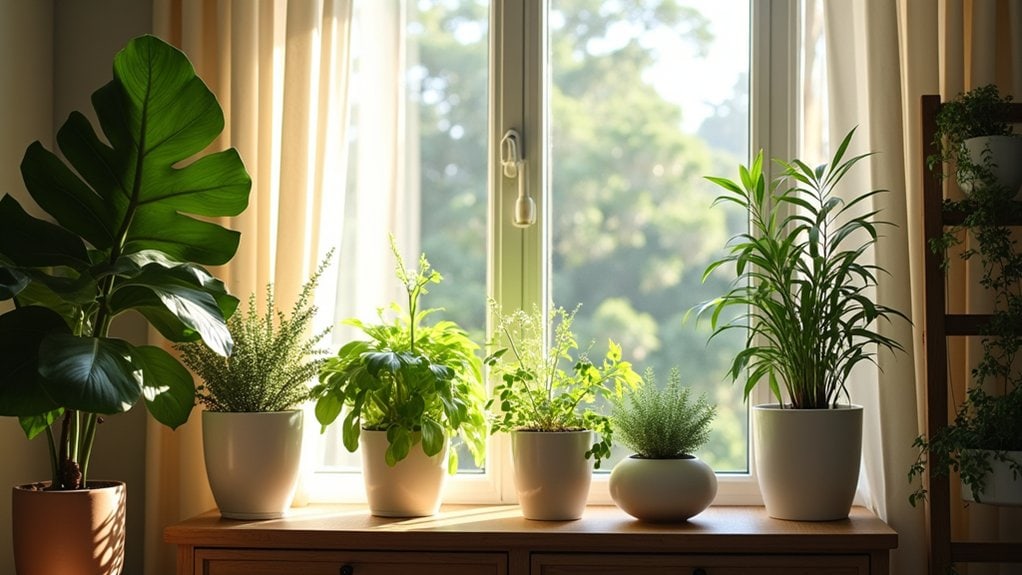
Even with the best intentions, you can still make a few mistakes that quietly work against your plants—overwatering is probably the most common one, and it’s way easier to do than you’d think. Lighting is another thing people often get wrong, either placing plants too far from a window or assuming any bright spot will do. And soil quality? That one gets overlooked a lot, even though it’s kind of the foundation everything else depends on.
Overwatering Your Plants
If there’s one mistake that takes down more houseplants than anything else, it’s overwatering. And honestly, it comes from a good place — you want your plant to thrive. But too much water causes root rot fast.
Check these before you water again:
- Stick your finger an inch into the soil — does it still feel damp?
- Does your pot have proper plant drainage holes?
- Have you actually set a consistent watering schedule, or are you just guessing?
- Are you factoring in humidity levels and how that affects moisture control?
Most roots suffocate before you even notice anything’s wrong. Yellowing leaves, soggy soil, a slightly off smell — those are your warning signs. Adjust now, not later.
Poor Lighting Choices
Lighting is probably the second biggest reason houseplants struggle indoors, right behind overwatering. One of the most common lighting misconceptions is that a room feeling bright to you means it’s bright enough for plants. It’s not always the case.
A sunny window in winter provides far less light than you’d expect. And moving a plant to a dark corner because it “looks nice there” is one of the plant placement pitfalls that quietly kills otherwise healthy plants.
Ask yourself — does your plant actually receive direct or indirect light for several hours daily?
Most tropical plants want bright, indirect light near a window. Low-light plants tolerate shade but don’t thrive in near-darkness. Matching the plant to the actual light conditions in your space makes a real difference.
Neglecting Soil Quality
Soil matters more than most people realize, and it’s easy to overlook when you’re just getting started with houseplants.
Using regular garden soil indoors is a common mistake. It compacts, suffocates roots, and invites problems you don’t want.
Here’s what neglecting soil quality actually costs you:
- Your plant slowly suffocates because compacted soil blocks oxygen from reaching the roots
- Root rot develops when drainage solutions aren’t built into your potting mix
- Nutrient deficiencies appear because you skipped soil amendments that actually feed your plant long-term
- You lose money replacing plants that die from something entirely preventable
Frequently Asked Questions
Can Indoor Plants Improve Air Quality and Reduce Household Toxins?
Yes, indoor plants can improve your air quality! They perform air purification by absorbing harmful chemicals through their leaves and roots. You’ll benefit from their natural toxin absorption, making your home’s environment fresher and healthier.
Are Indoor Plants Safe to Keep Around Pets and Young Children?
Not all indoor plants are safe, so you’ll want to choose pet friendly plants and child safe species carefully. Avoid toxic options like lilies and pothos. Instead, you’d do well with spider plants, Boston ferns, or calatheas.
How Do You Treat Pest Infestations on Plants Brought Indoors?
Use pest identification techniques to spot insects early. You’ll want to isolate affected plants immediately. Apply organic pest control methods like neem oil or insecticidal soap, and you’ll effectively eliminate infestations without harming your family or pets.
Can You Propagate Outdoor Plants to Create New Indoor Specimens?
Yes, you can propagate outdoor plants to create new indoor specimens! Use propagation techniques like stem cuttings or division. Focus on plant selection by choosing adaptable species that’ll thrive in your home’s light and humidity conditions.
Do Indoor Plants Require Special Soil Different From Outdoor Potting Mixes?
Yes, you’ll want to use indoor plant soil instead of outdoor potting soil. Indoor mixes drain better and resist compaction, ensuring your plants’ roots get the oxygen and moisture balance they need to thrive inside.
Final Thoughts
You don’t need a perfect setup to start bringing plants indoors. Pick one or two that match your actual light and watering habits, find a decent spot, and adjust as you go. You’ll make mistakes — overwatering, wrong placement, whatever. That’s fine. Most plants are more forgiving than you’d think. Just pay attention, tweak things when something’s off, and you’ll figure out what works for your space.