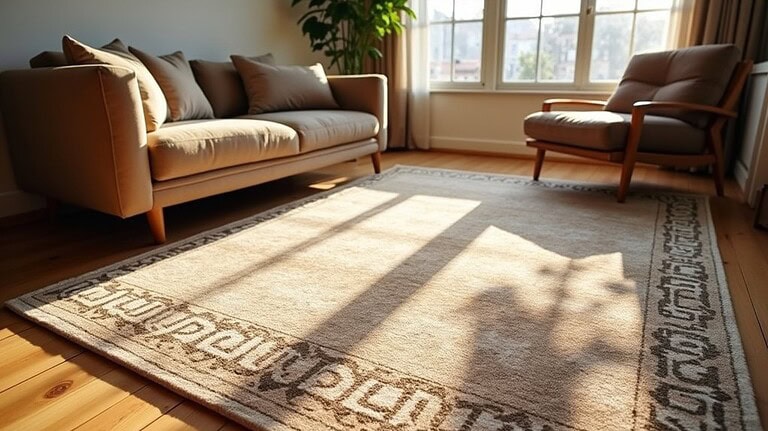
If your hallway, living room, or family room gets constant foot traffic, you can’t just pick a rug for looks. You need one that holds up, hides mess, and doesn’t turn cleaning into a chore. Low-pile wool, nylon, and even some indoor-outdoor styles usually make more sense than plush options. But then color matters too, and pattern probably matters more than you think. So what actually works when your house feels busy every day?
The Essentials
- Choose low-pile, tightly woven rugs because they resist wear, trap less dirt, and are easier to vacuum in busy spaces.
- Wool and nylon are top high-traffic materials, offering durability, resilience, and easier cleanup for homes with kids or pets.
- Mid-tone colors and busy patterns hide dirt, crumbs, scuffs, and everyday wear better than bright ivory or very dark rugs.
- Use a rug pad to prevent slipping, reduce noise, protect floors, and help the rug keep its shape longer.
- Size rugs to fit real walking paths and furniture placement, then vacuum often, rotate regularly, and blot spills immediately.
Key Features of High-Traffic Rugs
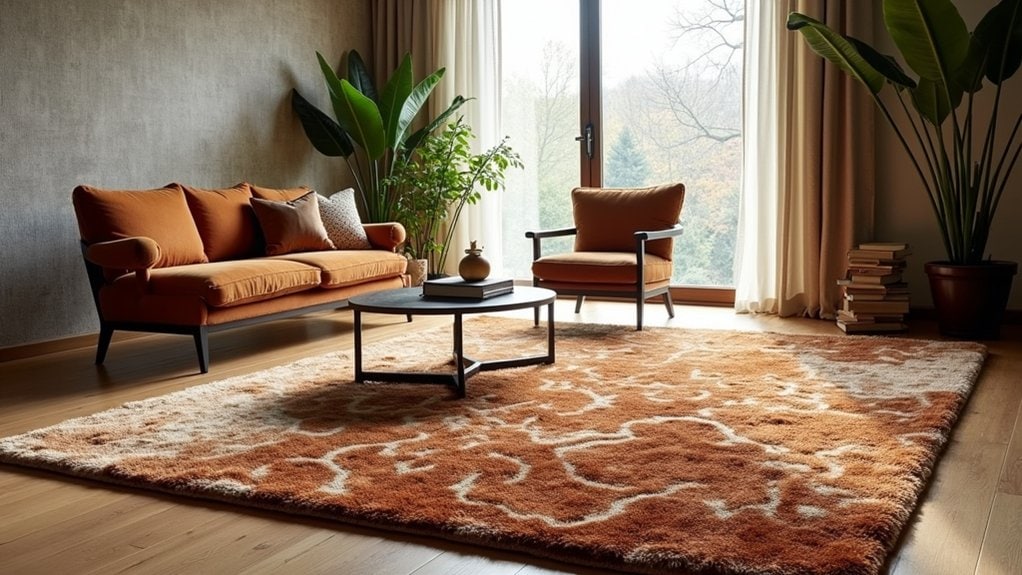
When you’re shopping for a rug that has to handle a lot of foot traffic, start with the basics: material, pile height, and construction.
You want a rug that stays flat, feels stable, and doesn’t show wear too fast. Low pile usually works better because dirt sits closer to the surface and you can vacuum it more easily. Tight weaves help too. They hold shape when people cut across the room all day.
Think about traffic pattern considerations before you buy. Do people walk straight through, pause at a doorway, or drag chairs back and forth? That changes what works.
A darker pattern can hide scuffs. Strong edges matter if corners tend to curl. And simple rug maintenance tips, like regular shaking, rotating, and quick spot cleaning, really do make a difference over time in busy homes.
Best Materials for High-Traffic Rugs
You’ll want to start with materials that can actually keep up, and wool and nylon usually do that well in busy rooms.
If you like a more natural look, jute and sisal can work too, though you’ll need to think about feel underfoot and how much mess your space gets.
Wool And Nylon
Two materials usually rise to the top for high-traffic rugs: wool and nylon. If you want comfort without giving up performance, wool deserves a look. One of the biggest wool benefits is resilience. Its fibers bounce back after footsteps, so your rug keeps its shape longer. Wool also feels warm and soft, which matters in living rooms and hallways.
If your space gets constant use, nylon durability makes it hard to ignore. Nylon handles wear, resists crushing, and cleans up more easily after spills or muddy shoes. That’s practical, honestly.
Jute And Sisal
Jute and sisal give you a different kind of durability, and that matters if you care as much about texture and look as wear.
If your hallway or entry gets constant foot traffic, you might like how these natural fibers hide dust and bring warmth without feeling precious. Jute durability works best in lower-moisture spots, so skip bathrooms or mudrooms where damp shoes show up often. Sisal texture feels firmer and rougher underfoot, which some people love and some really don’t.
You should think about who uses the space. Kids crawling? Pets sprawled out? Sisal can feel scratchy, while jute feels softer but stains faster. Try a tight weave for easier vacuuming. And maybe add a rug pad, because slipping, edge curling, and extra wear can sneak up on you fast.
Why Low-Pile Rugs Last Longer
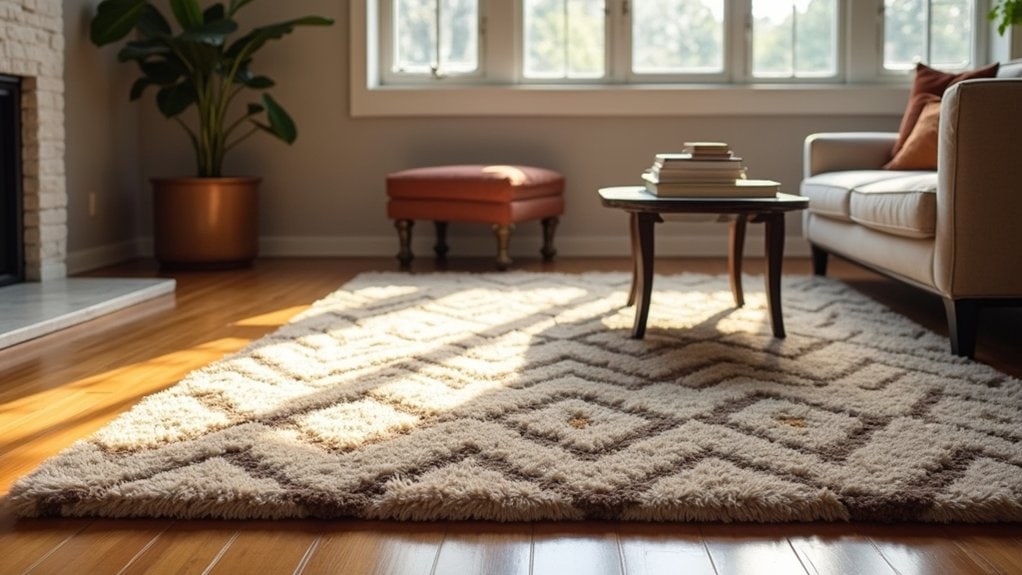
If you want a rug that holds up, low-pile styles usually make more sense because the shorter fibers don’t crush and fray as fast. You can vacuum them quickly, dirt doesn’t cling as much, and that day-to-day upkeep matters more than people think. And when kids, pets, or just constant footsteps keep crossing the same spot, don’t you want something that stays flatter and wears more evenly?
Reduced Fiber Wear
Durability starts with the pile itself: low-pile rugs keep their fibers shorter and tighter, so your feet, chairs, and vacuum don’t tug at them as much every day.
That smaller profile helps you protect fiber resilience because each strand bends less and springs back faster under pressure. You’re not grinding deep tufts flat every time people cross the room. Over time, that matters. A rug with better wear resistance keeps its surface more even, so traffic paths don’t stand out so quickly.
If you’ve got a hallway, entry, or dining area, low pile just makes more sense. Chair legs scrape, shoes pivot, kids skid around a little. Why give those forces extra fiber to pull and twist? You want a rug that stays intact longer, not one that starts looking tired too soon.
Easier Daily Cleaning
That same low profile helps with cleaning, too, and that’s a big part of why these rugs hold up better.
You can vacuum faster because crumbs, dust, and pet hair sit closer to the surface instead of sinking deep into thick fibers. That saves time, sure, but it also keeps grit from hanging around all week. Less trapped dirt means less scrubbing later. One of the simplest rug maintenance tips is just staying consistent with quick passes every few days.
Spills feel more manageable, too. You blot, use a little mild soap, and move on. No digging, no over-wetting, no waiting forever for it to dry. A few cleaning hacks help, like keeping a handheld vacuum nearby or tackling entryway dirt right away. Honestly, why make everyday messes harder than they need to be?
Better Foot Traffic Durability
Because people keep walking over the same spots every day, rug height starts to matter more than you’d think. If you want a rug that holds up, low-pile usually makes more sense. The fibers stay shorter, so they don’t crush as fast under shoes, chair legs, or quick turns in the hallway.
You’ll also notice fewer worn-looking paths over time, which matters if your entryway or living room gets constant use. That’s where traffic pattern considerations come in. Where do people pause, pivot, drag bags?
A flatter surface handles that better. It’s also easier to rotate, vacuum, and spot-clean, which fits smart rug maintenance tips. And honestly, if you’ve ever watched a plush rug mat down after a few months, you already know. Low-pile just asks less from your floor daily.
Patterns That Hide Dirt
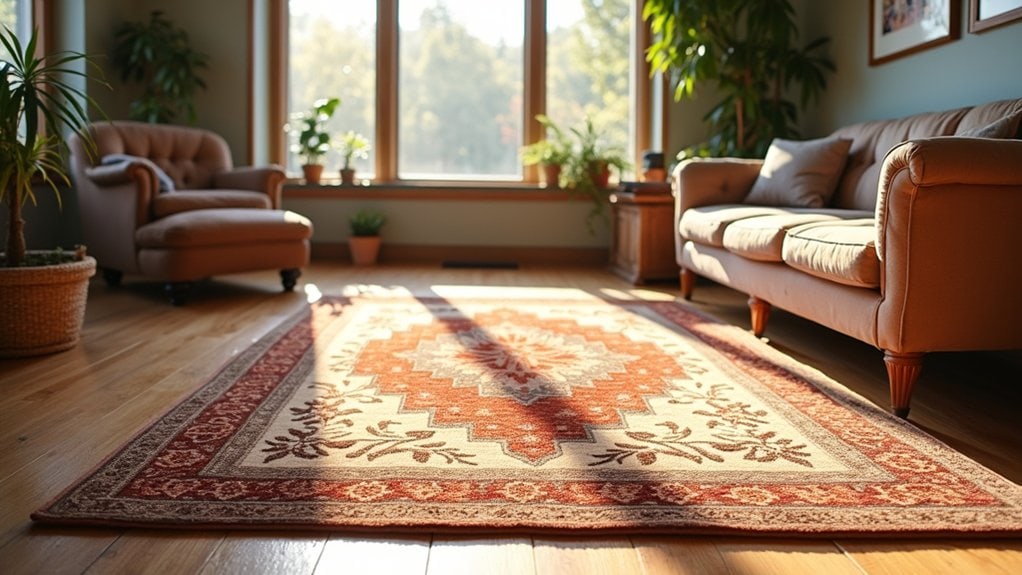
If you want your rug to look cleaner between deep cleans, pick a pattern that breaks up crumbs, dust, and small stains instead of putting them on display. You’ll usually do better with designs that mix shapes, lines, or tonal contrast, because they distract the eye a bit. That’s where pattern versatility matters. It lets your rug handle daily mess without looking tired too fast.
- Choose speckled or heathered motifs for entryways.
- Try geometric repeats where shoes track in grit.
- Use low-contrast florals under dining tables.
- Balance pattern versatility with smart color selection.
- Ask yourself what mess shows up most often.
You’re not trying to fool anyone, exactly. You’re making life easier. A busy print can buy you time, especially if kids, pets, or constant visitors keep your floors working hard every single day.
Best Rug Colors to Hide Wear
Pattern helps, but color does a lot of the daily work too. If you want a rug that hides wear, look at mid-tone shades first. Heathered gray, taupe, camel, olive, and denim blue usually keep scuffs and fading from shouting at you every day.
You can also use rug color psychology when you choose. Warm browns and earthy greens feel grounded, so your room looks settled even when traffic stays heavy. Bright ivory seems fresh, sure, but it shows every little thing. Very dark rugs can highlight lint and footpaths, weirdly enough.
Think about seasonal rug trends, but don’t chase them too hard. Will that pale blush still work in November? A mixed, dusty tone often ages better. If your hallway gets constant use, choose color depth over drama.
Easy-Clean High-Traffic Rugs for Pets
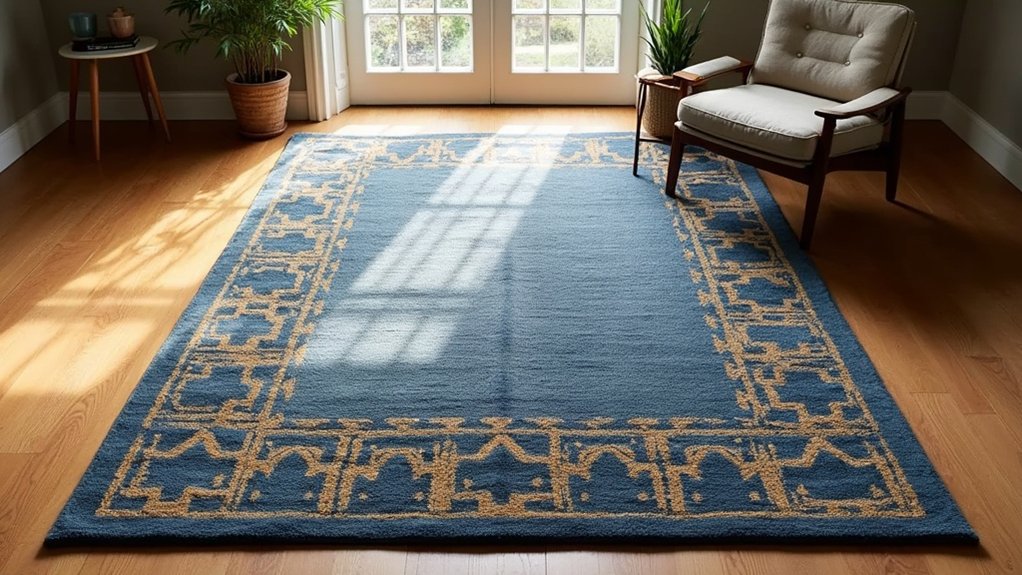
If you’ve got pets, you’ll want a rug material that can handle claws, fur, and the occasional mess without turning into a project. Think low-pile wool, indoor-outdoor blends, or washable synthetics since you can vacuum them fast and spot-clean spills with just soap and water. And honestly, when accidents happen, do you really want to scrub for half an hour?
Pet-Friendly Rug Materials
When pets run through the busiest parts of your home, the rug material matters more than the color or style. You need durable fibers that handle claws, zoomies, and daily wear without feeling rough underfoot. Wool, recycled polyester, and low-pile polypropylene give you stain resistance, odor control, and solid pet safety.
- Choose durable fibers for busy halls and living rooms.
- Compare texture options if your pet slips or sheds a lot.
- Use color choices that hide fur without darkening the room.
- Look for eco friendly materials with real design versatility.
- Balance comfort factor with maintenance tips you’ll actually follow.
You want a rug that fits real life, not just photos. Does it feel good during playtime? Can older pets walk easily on it? Those little details matter, maybe more than style. And they hold up.
Simple Stain Cleanup
A few cleanup details can make or break a pet-friendly rug in a busy room. You want fibers that let you blot spills fast, not scrub forever. Low-pile rugs help messes stay near the surface, so your quick fixes actually work. If your dog tracks mud or your cat has the occasional accident, grab paper towels first, then use a mild soap mix and cold water. Don’t soak it.
For stain prevention, keep a washable mat by the door and trim paws when weather gets messy. You should also test any cleaner on a hidden corner, just in case. Some rugs look durable, but they hang onto odors. Others wipe clean easily. So ask yourself: if this stain shows up at 7 p.m. on a Tuesday, will you hate dealing with it?
Why Rug Pads Matter in Busy Rooms
Even though the rug gets most of the attention, the pad underneath does a lot of the real work in a busy room. You feel the difference every day, even if you don’t notice it right away. A good pad keeps the rug from shifting, softens foot traffic, and helps reduce wear on both the rug and floor. That’s where real rug pad benefits show up.
- It adds grip, so you trip less
- It cushions steps and cuts noise
- It protects hardwood from scratches
- It helps the rug keep its shape
- It can make vacuuming easier, too
When you’re thinking through busy room considerations, don’t skip the layer nobody sees. Do kids run through here? Do chairs scrape back a lot? That hidden support matters more than you’d think, honestly, over time.
How to Choose the Right Rug Size
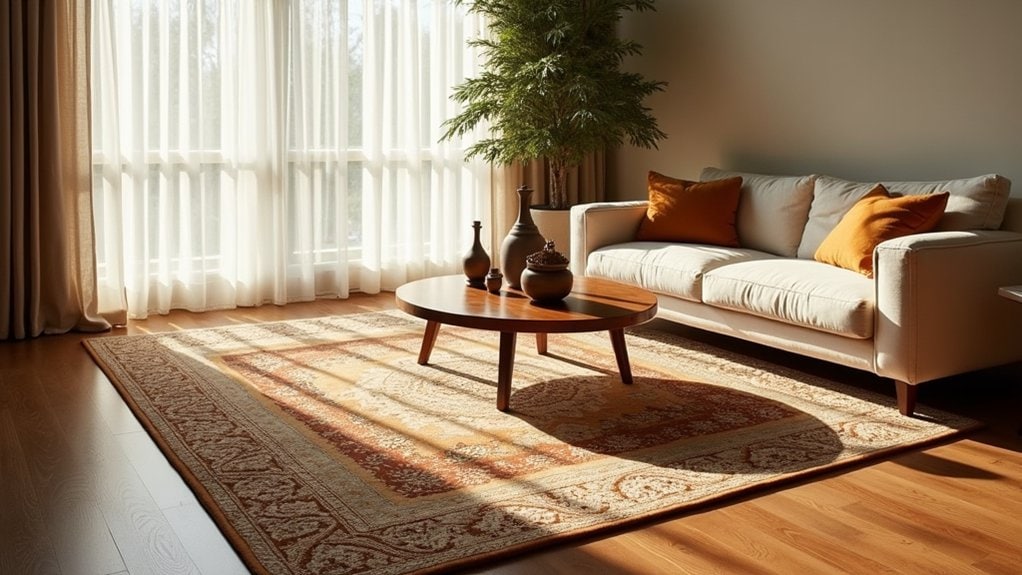
If the rug size is off, the whole room can feel a little awkward, no matter how durable the material is. You want the rug to connect your furniture, not float in the middle or disappear under everything. Start by measuring your room, then map out rug dimensions with painter’s tape. It sounds basic, but it helps.
In a living room, let at least the front legs of your sofa and chairs sit on the rug. In a dining room, make sure chairs stay on it when you pull them out. Bedrooms feel better when the rug extends beyond the sides of the bed.
These placement tips keep traffic moving without making the space feel cramped. So ask yourself: what needs anchoring, and where do your feet actually land every day most?
Best Entryway Rugs for Heavy Traffic
Your entryway rug has to handle wet shoes, dirt, and constant foot traffic, so you’ll want durable materials like polypropylene, wool, or jute that won’t wear out fast.
Low-pile styles usually work better here because they don’t catch doors, and they’re just easier to walk on when people keep coming in and out.
You should also think about cleanup from the start—can you shake it out, spot-clean it fast, or toss it in the wash when things get messy?
Durable Rug Materials
Material matters most in an entryway rug, because this is the spot that gets scuffed, damp, gritty, and walked on all day. You’ll want fibers that can take abuse without looking tired fast. Wool holds up well, resists crushing, and helps with stain prevention strategies when shoes track in messes. Polypropylene is another smart pick if you need something affordable, easy to clean, and realistic for busy homes.
- Wool handles dirt well
- Polypropylene cleans up fast
- Jute looks nice but wears quicker
- Recycled blends can be surprisingly tough
- Indoor-outdoor fibers shrug off moisture
Think about your actual habits. Do people wipe their feet, or not really? That answer changes everything. Good rug maintenance tips matter too, because even durable materials need regular shaking, vacuuming, and quick spot cleaning to stay useful longer.
Low-Pile Entryway Styles
Durable fibers help, but the rug’s profile matters just as much in a busy entryway.
If you choose a low-pile rug, your door clears it more easily, and shoes won’t catch on the surface every time someone walks in. That small detail matters more than you’d think. Low-pile styles also look neater day to day, especially in narrow foyers or apartment entries.
You’ll probably want something with a subtle pattern, since heavy foot traffic makes every mark stand out. Many modern designs keep the texture flat but still feel warm, not stiff. Pay attention to size, too. A runner can guide traffic, while a small rectangular rug works better in tight spaces. And what about color trends? You don’t have to follow them, but mid-tone shades usually age better visually.
Easy-Clean Rug Options
If you want an entryway rug that’s easy to live with, start by thinking about what you can clean fast without turning it into a whole project.
You’ll usually do best with washable cotton, indoor-outdoor polypropylene, or low-pile recycled blends. They handle grit, wet shoes, and random spills without asking much from you.
- Choose machine-washable sizes you can actually lift
- Use rug maintenance tips like quick vacuuming and spot cleaning
- Try color selection strategies that hide dirt between washes
- Skip thick textures that trap sand, hair, and moisture
- Look for non-slip backings, especially near busy doors
Ask yourself what lands there every day. Mud? Salt? Dog hair? That answer matters. A patterned rug in medium tones often buys you time, which, honestly, helps. You’ll clean more often if it feels easy. That’s usually the point.
Best Hallway Runners for Narrow Spaces
A good hallway runner does two jobs at once: it has to fit a tight, awkward space and still hold up when people pass over it all day.
You’ll want a low-pile rug that won’t catch on doors or curl at the edges. Flatweaves and washable synthetics usually work best, especially if your entry hall gets muddy or busy. Measure carefully, then leave a few inches of floor showing on each side so the runner looks intentional, not squeezed in. That small border helps hallway aesthetics more than people expect. When you compare runner styles, think about pattern too. Stripes can stretch the space visually, while small repeats hide dirt better. Do you need extra grip? Add a thin rug pad underneath. It matters. And if your hallway is dim, lighter colors can help brighten things a bit.
Best Living Room Rugs for Daily Use
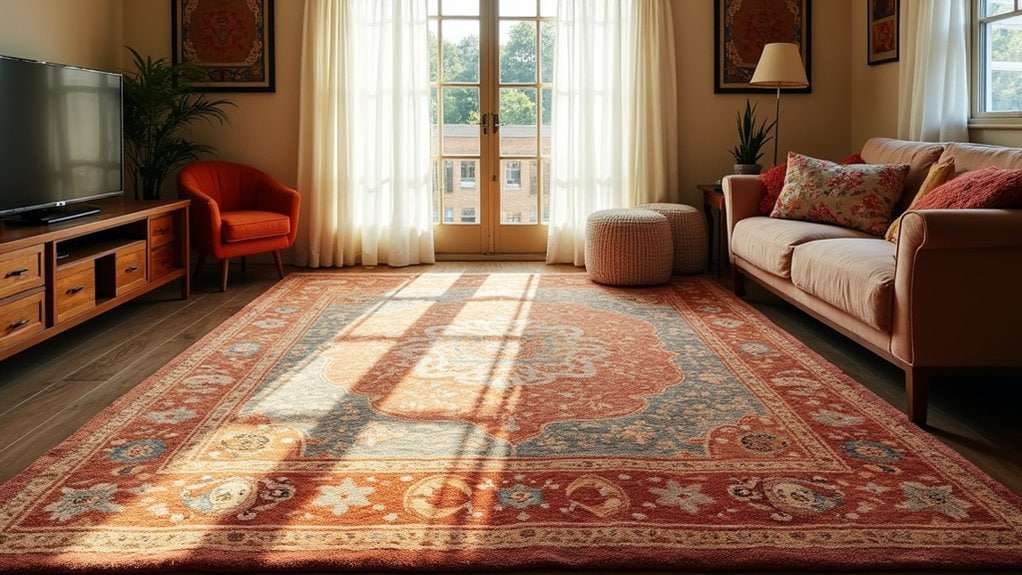
Living rooms ask even more from a rug than a hallway does, because people don’t just pass through, they sit, snack, play, and basically live there.
For daily use, you’ll want a low-pile rug that feels good underfoot but won’t trap every crumb. Flatweaves, wool blends, and washable options make sense. If your space leans toward modern design, choose simple patterns that hide wear without looking busy. You should also watch color trends, but don’t chase them too hard. Will that pale cream still work after coffee spills?
- Pick low pile for easier vacuuming
- Choose mixed fibers for durability
- Use patterns to soften visible wear
- Size it to anchor your seating
- Test colors against your real light
That’s usually the balance: comfort, upkeep, and a look you’ll still like later.
Best Rugs for Family Rooms and Playrooms
Some rooms take a beating all day, and family rooms or playrooms usually top the list. You need a rug that feels soft, stays put, and handles spills without turning into a project.
Look for low-pile options in wool blends, polypropylene, or washable cotton. These materials clean up faster, and you won’t trip over thick edges during a quick cleanup. Family friendly designs help too. A busy pattern hides crumbs, marker streaks, and whatever mystery spot showed up after snack time.
You might also want playful patterns that make the space feel relaxed, not too precious. Think grids, dots, or simple shapes. Darker tones help, but don’t go so dark that every lint ball shows. And ask yourself, honestly, will you wash it often? If not, choose something forgiving and easy to vacuum regularly.
Best Indoor-Outdoor Rugs for Busy Areas
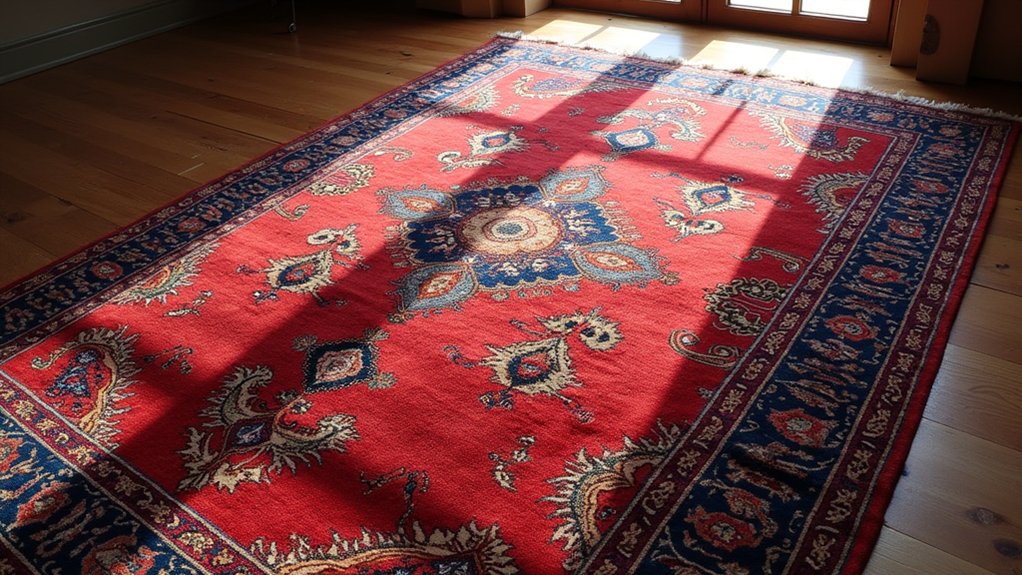
If your busiest spaces spill out to a patio, mudroom, porch, or back door area, an indoor-outdoor rug can make more sense than a softer indoor style.
You get outdoor durability without giving up indoor versatility, which matters when shoes, pets, and wet weather keep moving through. Look for polypropylene or recycled plastic blends that feel decent underfoot and don’t get overwhelmed fast.
- Choose low-pile weaves that won’t trap grit
- Pick darker patterns near entry points
- Use flat edges to reduce trips
- Match size to the traffic path, not just the room
- Try one rug style across connected spaces
Ask yourself where people actually walk. That’s usually the right placement. And if a space feels half-inside, half-outside, you probably need a rug that handles both without making the area feel stiff or too precious.
How to Keep High-Traffic Rugs Looking New
A few simple habits keep a high-traffic rug looking better for way longer, and most of them don’t take much time.
Vacuum often, especially near doors, hallways, and the couch where dirt builds up fast. Rotate the rug every few months so wear doesn’t settle into one path. One of the easiest rug maintenance tips is dealing with spills right away. Blot, don’t scrub. Scrubbing just pushes stains deeper, and yeah, it can rough up fibers too.
You should also use a rug pad. It cuts friction, helps with shape, and keeps grit from grinding underneath. Think about seasonal cleaning strategies, too. Maybe deep-clean in spring and before the holidays, when traffic picks up. If you have pets or kids, you already know messes sneak up. So ask yourself: are you cleaning often enough?
Frequently Asked Questions
Can High-Traffic Rugs Help Reduce Noise in Busy Homes?
Yes, high-traffic rugs can reduce noise in your busy home because they improve sound absorption underfoot. You’ll get better results when you focus on material selection, dense fibers, and thick pads that soften echoes.
Are High-Traffic Rugs Safe for Homes With Allergy Sufferers?
Yes, you can choose high-traffic rugs that are safe for allergy sufferers by selecting allergy friendly materials and hypoallergenic options. You’ll reduce dust buildup, clean more easily, and improve indoor air quality with low-pile designs.
How Often Should High-Traffic Rugs Be Professionally Cleaned?
You should have high-traffic rugs professionally cleaned every 12 to 18 months, or every 6 to 12 months with pets, kids, or heavy use. Follow rug maintenance tips and adjust cleaning frequency to keep fibers fresh.
Do High-Traffic Rugs Work Well With Underfloor Heating?
Yes, high-traffic rugs can work well with underfloor heating if you choose low-pile options with strong underfloor heating compatibility. You’ll want breathable materials, good material durability, and a suitable underlay so heat passes through effectively.
Are High-Traffic Rugs a Good Choice for Stairs?
Yes, you can use high-traffic rugs on stairs if you choose low rug thickness, secure padding, and durable fibers. You should match them to your stair materials, guarantee traction, and avoid bulky styles that increase trip risk.
Final Thoughts
Choose a rug that fits how you actually live, not just how the room looks.
If your hallway gets constant foot traffic, go low-pile in wool or nylon. If kids or pets take over the family room, try a patterned rug that won’t show every mark. Add a rug pad. Vacuum often. Blot spills fast.
What bugs you more, stains or wear? That answer usually points you to the right rug. And honestly, that’s what matters most.