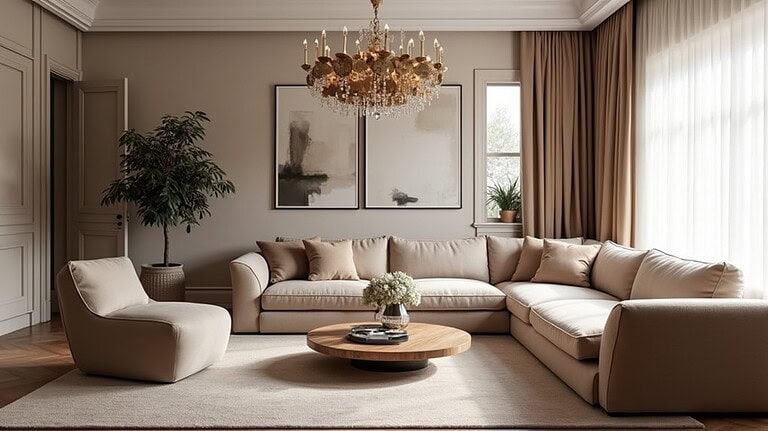
Your living room probably isn’t working as well as it could, and the frustrating part is you might not even know why. Maybe it feels cramped, or conversations feel awkward, or something just seems off. Most of the time, it comes down to a handful of layout decisions that are surprisingly easy to get wrong. The fixes aren’t complicated, but you need to know what you’re actually dealing with first.
The Essentials
- Pushing all furniture against walls disrupts conversation flow; pulling pieces inward creates intimate, functional zones and improves traffic movement.
- TVs mounted too high cause neck strain; the screen’s middle should align with eye level when seated.
- Small rugs create awkward floating effects; ideally, at least the front legs of all seating furniture should rest on the rug.
- Single overhead lighting flattens a room; layering floor lamps, table lamps, and natural light sources improves ambiance and functionality.
- Ignoring focal points like fireplaces or windows creates visual chaos; furniture should be angled toward these architectural features intentionally.
The Biggest Living Room Layout Mistakes Costing You Comfort
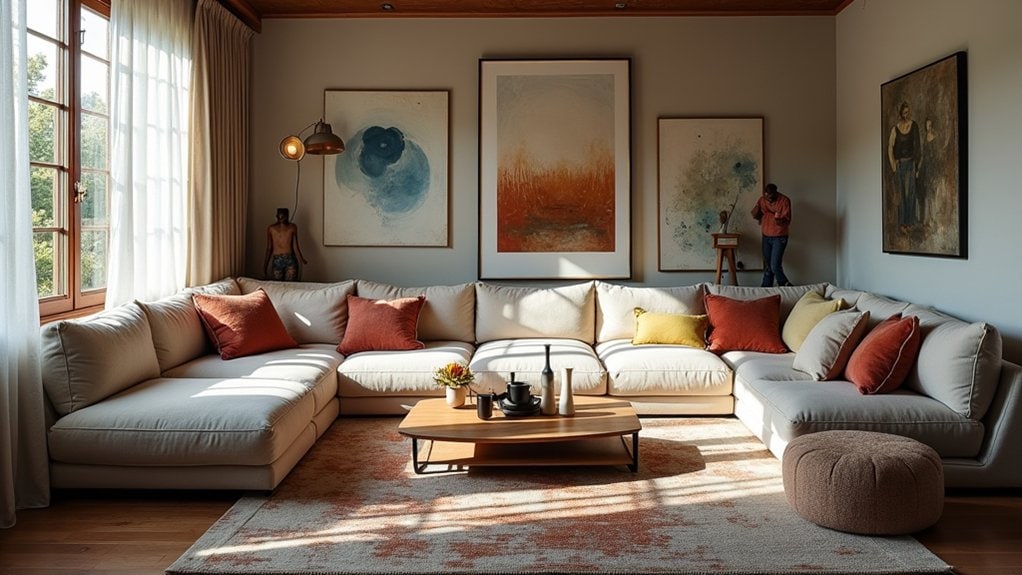
Most people don’t realize their living room feels off until they’ve already lived with it for months. By then, you’ve adjusted. But that doesn’t mean it’s working.
One of the biggest issues is furniture proportions. You might love a sectional in the store, but if it swallows your room, everything else suffers. Scale matters more than style sometimes.
Color balance is another thing people underestimate. Too much of one tone—even a neutral—makes a space feel flat or heavy. You don’t need a lot of contrast, just enough variation to keep things visually easy.
Ask yourself: does your room actually feel comfortable, or have you just gotten used to it?
There’s a difference. And honestly, it’s worth figuring out which one is true for you.
Why Pulling Furniture Away From the Walls Works Better
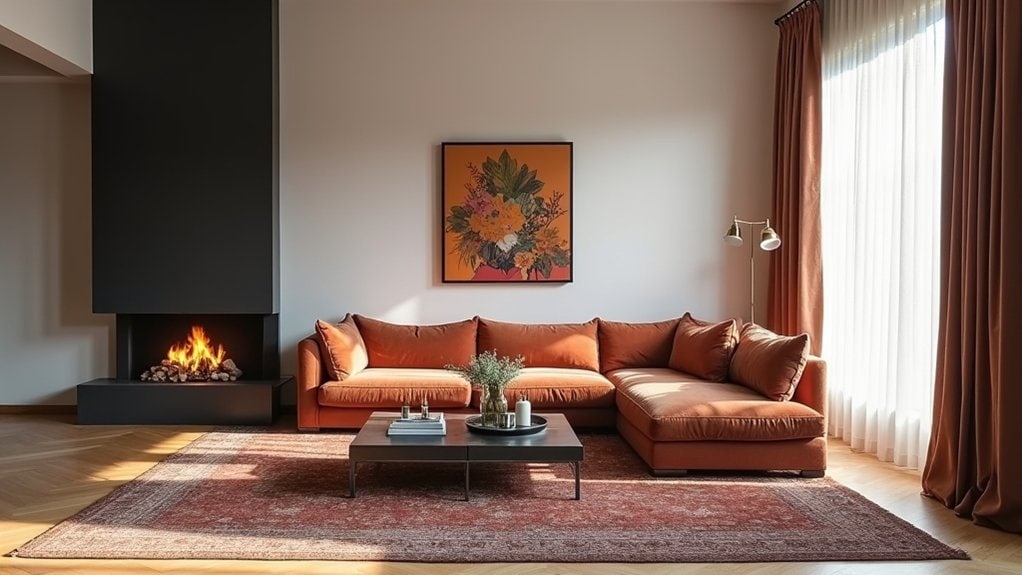
Pushing all your furniture against the walls might feel like the “safe” choice, but it actually works against you in a few ways. When you pull pieces inward—even just a foot or two—you naturally create zones that feel more like actual conversation areas rather than a waiting room. It also does something unexpected for traffic flow: people tend to move around the furniture instead of through it, which, honestly, makes the whole space feel bigger and less chaotic.
Creates Intimate Conversation Areas
Furniture pushed flat against every wall is one of those habits that feels logical—like you’re maximizing space—but it actually does the opposite of what you want.
When everything hugs the perimeter, the center of your room just… sits there. Empty. Awkward. Nobody actually wants to sit that far apart to have a conversation.
Pulling your seating arrangements inward—even a foot or two—changes how the room feels immediately. Suddenly you’ve got a defined zone. Something that actually encourages people to face each other, talk, linger.
Think about what makes conversation starters happen naturally. It’s proximity. It’s feeling like you’re *in* a space rather than parked along its edges.
You don’t need more furniture. You just need to stop treating your walls like they need company.
Improves Traffic Flow Naturally
There’s another thing that happens when you pull your furniture away from the walls—and it’s less obvious but just as annoying when it’s wrong. Traffic flow. When furniture hugs the walls, it actually creates awkward traffic zones that force people to cut through the middle of everything.
Think about it—does anyone in your house constantly walk through the seating area to get somewhere else?
Floating your furniture helps with furniture flow in three real ways:
- People move around the seating, not through it
- Natural pathways form between furniture groupings
- The room stops feeling like a waiting area
It’s not a dramatic fix. But getting traffic zones right means your living room actually functions the way you need it to.
Adds Visual Depth
Here’s something that doesn’t get talked about enough—pulling your furniture away from the walls actually makes the room look bigger. It sounds backwards, right?
When your sofa floats in the space, even just a few inches out, it creates a gap that your eye reads as depth. That’s visual balance doing its job quietly.
Layering textures helps too. A rug anchored under the front legs of your sofa, a side table slightly offset—these small decisions build dimension without clutter.
Think about it. When everything hugs the walls, the center of the room feels hollow and flat. You’re basically framing emptiness.
Try pulling your seating group inward. Even six inches changes how the room feels. Not dramatically, but enough that you’ll notice.
TV Placement Mistakes That Ruin Your Living Room Layout
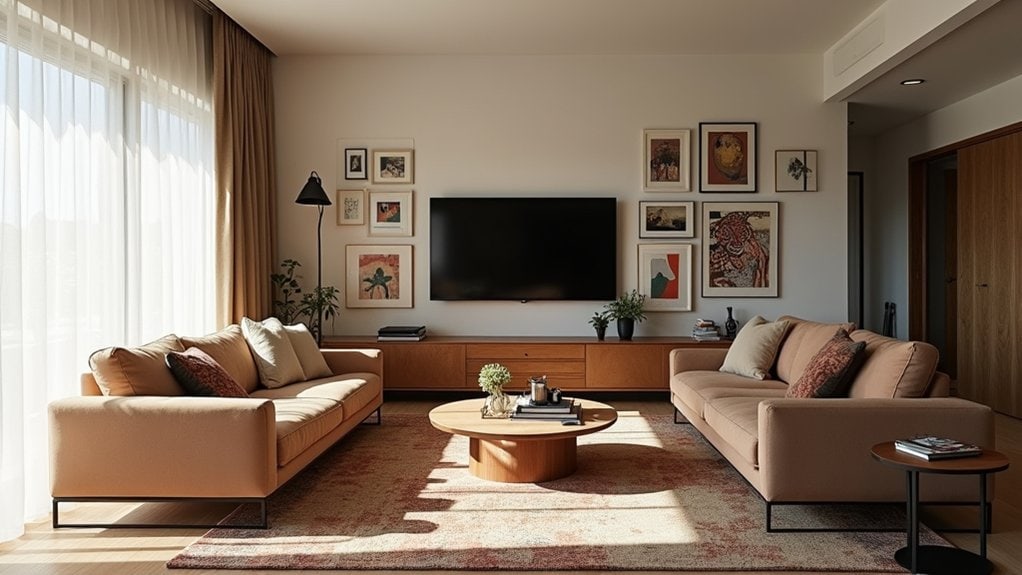
Where you put your TV matters more than most people think, and mounting it too high is probably one of the most common mistakes you’ll see in living rooms. If you’re constantly craning your neck upward to watch something, that’s a problem—your eyes should meet the screen at roughly eye level when you’re seated. It sounds simple, but so many people mount their TVs way up near the ceiling, almost like they’re decorating with it rather than actually planning to use it.
Mounting Too High
How high is too high? Honestly, it’s when your neck starts to ache after twenty minutes of watching.
Most people mount their TV way above eye level, thinking it looks cleaner or more intentional. It doesn’t. It just hurts.
Here’s what goes wrong when you mount too high:
- Your neck tilts back constantly, which gets uncomfortable fast
- The art placement above or around the TV looks cluttered and competing
- Height balance in the room feels off — everything pulls upward instead of staying grounded
A good rule: seated eye level should hit roughly the middle of the screen.
That’s it. Nothing fancy. Just sit down, measure where your eyes land, and work from there. Simple, but most people skip this step entirely.
Poor Viewing Angles
Height matters, but it’s only part of the problem.
Even at the right height, poor furniture placement can wreck your sight lines completely. If your couch sits at a sharp angle to the screen, you’re constantly turning your neck. That adds up fast.
Think about where people actually sit. Not just the main sofa—the chair in the corner, the loveseat off to the side. Do those seats have a clear, comfortable view?
A lot of people arrange furniture around the room’s shape instead of around the TV. That’s where things go wrong.
You don’t need every seat to be perfect. But the spots people use most? Those sight lines should feel easy, almost effortless. Check yours before assuming the layout works.
How to Choose the Right Rug Size and Where to Place It

Getting the rug size wrong is probably one of the most common living room mistakes people make, and honestly, it’s easy to see why. There are so many options, and the store always makes them look bigger than they do at home.
Here’s what actually helps:
- Measure your seating area first, not just the room
- Think about rug materials—some textures work better under heavy furniture
- Consider color coordination with your existing sofa and walls before buying
The most typical mistake? Going too small. You want at least the front legs of your furniture sitting on the rug. Does your current rug even touch your sofa? If not, it’s probably floating awkwardly, and that throws the whole space off.
How Bad Lighting Undermines Your Living Room Layout

Once you’ve sorted your rug situation, lighting is probably the next thing quietly wrecking your layout—and it’s easy to overlook because, well, you can see fine, so what’s the problem?
The problem is that bad lighting flattens your space. One overhead fixture doesn’t create ambient lighting—it just creates shadows in all the wrong places.
Think about where your natural light actually hits during the day. Does your seating face it, or fight against it?
Layering light sources matters more than people realize. A floor lamp near your reading chair, a table lamp in a dim corner—these things change how the room feels to move through.
You don’t need a lighting designer. You just need more than one bulb doing all the work.
Simple Rearrangements That Fix Your Living Room Layout Fast
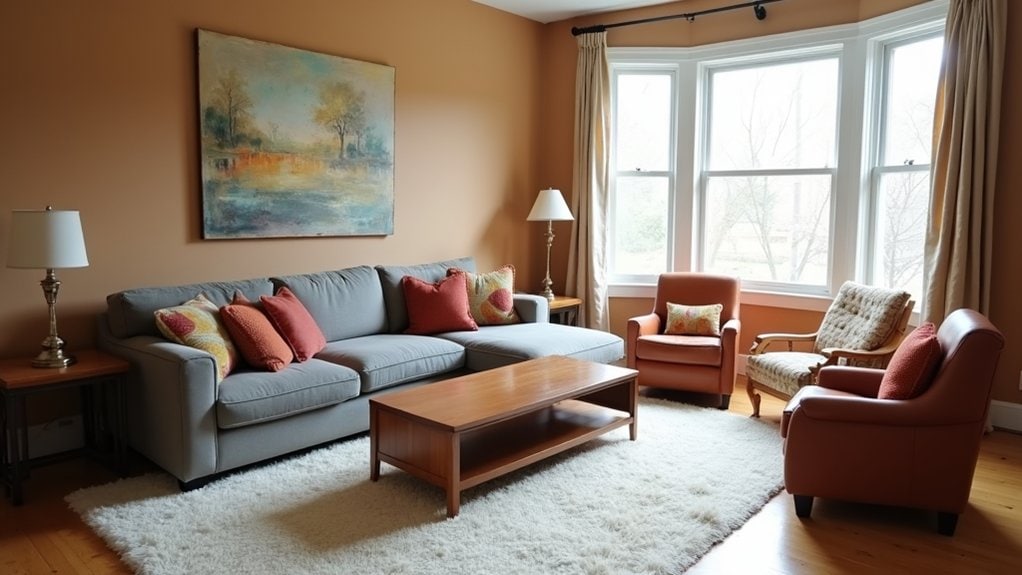
Most living room fixes don’t require buying anything new—just moving what you already have. Small shifts in your seating arrangement can completely change how the room feels and functions.
Try these three quick rearrangements:
- Pull furniture away from the walls—grouping pieces closer together actually feels cozier and more intentional.
- Identify your focal point, whether it’s a window, fireplace, or TV, then angle your seating toward it.
- Remove one piece of furniture entirely and see if the room breathes better without it.
Have you ever noticed how one awkward chair placement throws everything off? Sometimes the problem isn’t what you have—it’s just where things landed when you first moved in. That’s worth revisiting.
Frequently Asked Questions
What Paint Colors Make a Small Living Room Feel More Spacious?
You’ll make your small living room feel more spacious by choosing light colors like soft whites, pale blues, or warm creams. Pair them with reflective surfaces to bounce light around and visually expand the space.
How Do You Arrange a Living Room With Multiple Doorways or Entrances?
Map your traffic patterns first, then float furniture away from walls to create clear pathways between doorways. You’ll improve furniture flow by angling seating inward, forming a cohesive conversation area that doesn’t obstruct natural movement through the room.
Can You Mix Different Furniture Styles Without the Room Looking Cluttered?
Yes, you can absolutely mix different furniture styles! You’ll achieve eclectic harmony by maintaining furniture balance through consistent colors, textures, or finishes. Choose one unifying element, and you’ll tie contrasting pieces together beautifully without creating visual clutter.
What Window Treatment Styles Work Best for an Awkward Living Room?
For awkward living rooms, you’ll want floor-to-ceiling curtains to create height illusions. Layer textures by combining sheer panels with heavier drapes, letting natural light filter beautifully while drawing attention away from your room’s challenging proportions.
How Do You Decorate a Living Room With an Oddly Shaped Fireplace?
Embrace your oddly shaped fireplace as a bold fireplace focal point! You’ll want to arrange cozy seating around it symmetrically, draw attention with statement art above, and use lighting to highlight its unique architectural character.
Final Thoughts
Your living room doesn’t need a full renovation — sometimes it just needs a second look. Try moving one piece of furniture, swapping out a rug, or adjusting a light. Small changes actually add up. You might be surprised how different the space feels when it’s working with you instead of against you. Start with whatever’s bothering you most right now. That’s usually the right place.