You’ve probably stood in a paint aisle, stared at a dozen finish options, and grabbed whatever felt right. Maybe it worked out, maybe it didn’t. The finish you choose actually matters more than most people realize — it affects how your walls hold up, how light bounces around, and how the whole room feels. Each room has different demands. So which finish actually belongs where?
The Essentials
- Flat or matte finishes work best for ceilings and low-traffic areas, as they absorb light and hide imperfections effectively.
- Eggshell finish suits living rooms and adult bedrooms, offering a balance between light reflection and moderate durability.
- Semi-gloss is ideal for kitchens and bathrooms due to its moisture resistance, easy cleaning, and high durability.
- Satin finish works well in hallways, kids’ rooms, and kitchens where durability and easy maintenance are priorities.
- Room lighting significantly impacts finish appearance, so always test paint swatches under both natural and artificial lighting conditions.
What Paint Finish Is and How It Affects Your Walls
Paint finish refers to the sheen level of dried paint — and it matters more than most people think.
Different paint finish types interact with light differently, which directly changes how your walls look and feel. A flat finish absorbs light, which can make imperfections less noticeable. A glossy finish reflects light, which can actually highlight every bump and dent in your wall texture.
So before you pick a color, ask yourself — what are your walls actually like? Are they smooth? Patchy? Older walls with some wear?
The finish you choose affects durability too. High-traffic areas need something you can wipe down. A flat finish won’t hold up to that.
Getting this decision right early saves you from repainting sooner than you’d want to.
The 5 Paint Finishes: Sheen, Durability, and Best Uses
There are five main paint finishes you’ll come across—flat, eggshell, satin, semi-gloss, and gloss—and each one behaves pretty differently once it’s on your walls. The sheen level affects how much light bounces off the surface, which sounds minor but actually changes how a room feels. Durability matters too, especially if you’re picking a finish for a space that gets a lot of traffic or moisture.
Understanding Paint Sheen Levels
When you’re standing in the paint aisle trying to decide between eggshell and satin, it’s easy to feel like the difference doesn’t really matter. But sheen levels actually affect how a room looks and holds up over time.
Sheen refers to how much light a finish reflects. Higher sheen means more shine, more durability, and honestly, more visibility of wall imperfections. Lower sheen hides flaws better but scuffs easier.
The five main finish types range from flat to high-gloss. Each sits at a different point on that reflectivity scale.
Durability and Best Uses
Each finish has its own trade-offs, and knowing them makes the decision a lot easier. Paint longevity really depends on where you’re applying it and how much traffic that surface gets.
Here’s a quick breakdown:
- Flat/Matte – Low durability, hard to clean, best for ceilings and low-traffic walls
- Eggshell – Moderate durability, easier finish maintenance, great for living rooms
- Satin – Holds up well, wipes clean easily, works in kitchens and hallways
- Semi-Gloss/Gloss – Strongest durability, simplest finish maintenance, ideal for trim and bathrooms
How Room Lighting Affects Your Paint Finish Choice
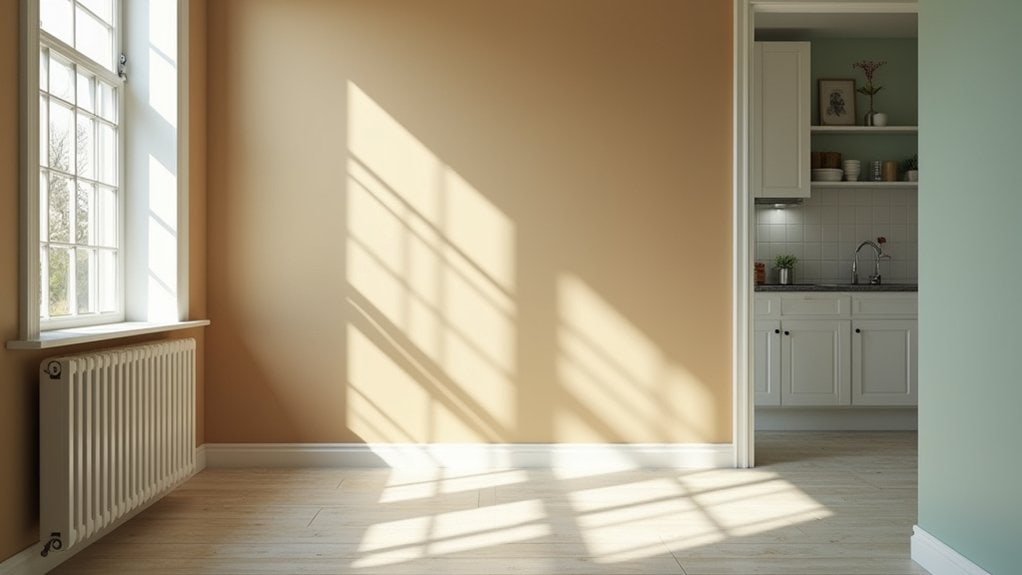
Before you settle on a paint finish, think about how your room actually gets its light—because natural light and artificial light don’t behave the same way on walls. A high-gloss finish in a sun-drenched south-facing room can feel almost harsh, while that same finish in a dimly lit space might give you exactly the brightness you’re after. It’s worth testing your finish choice under both lighting conditions before you commit.
Natural vs. Artificial Light
Lighting — both natural and artificial — plays a bigger role in your paint finish choice than most people realize. A finish that looks perfect in the store might look completely different once it’s on your walls at home.
Here’s what to reflect on:
- North-facing rooms get cooler, indirect natural lighting — matte finishes tend to work better here.
- South-facing rooms get more natural lighting throughout the day, so shinier finishes won’t feel overwhelming.
- Warm artificial lighting (like incandescent bulbs) deepens colors and softens sheen.
- Cool artificial lighting (like LEDs) can make glossy finishes look harsh or clinical.
Think about when you actually use each room most. Is it during the day or at night? That changes everything about which finish actually works.
Lighting Enhances Finish Appearance
The way light hits your walls can completely change how a paint finish looks — and honestly, it’s one of those things most people don’t think about until after they’ve painted.
Different lighting types interact with finishes in ways that catch you off guard. A satin finish might look subtle under warm natural light but almost shiny under cool LEDs. Color temperature matters more than people realize — warmer tones tend to soften glossy finishes, while cooler lighting makes them pop harder.
So before you commit to a finish, test it under the actual lighting conditions in that room. Morning light, evening light, overhead fixtures — they all read differently.
What kind of lighting do you actually have in that room most of the time? That answer should guide your finish choice more than anything else.
How to Test a Paint Finish Before You Commit
Three small paint samples can save you from a costly mistake you won’t notice until the walls are done and the furniture’s back in place. Paint swatch testing takes maybe a weekend, but it’s worth it.
Here’s how to do a proper finish comparison:
- Buy sample sizes of two or three finishes you’re considering
- Paint large swatches directly on the wall, at least 12 inches square
- Observe them at different times of day, especially morning and evening light
- Live with them for 48 hours before deciding
Does the finish look different near the window versus the corner? That’s useful information. Matte might feel perfect at noon but look flat and dull by lamp light. Don’t rush this part.
The Best Paint Finish for Living Rooms
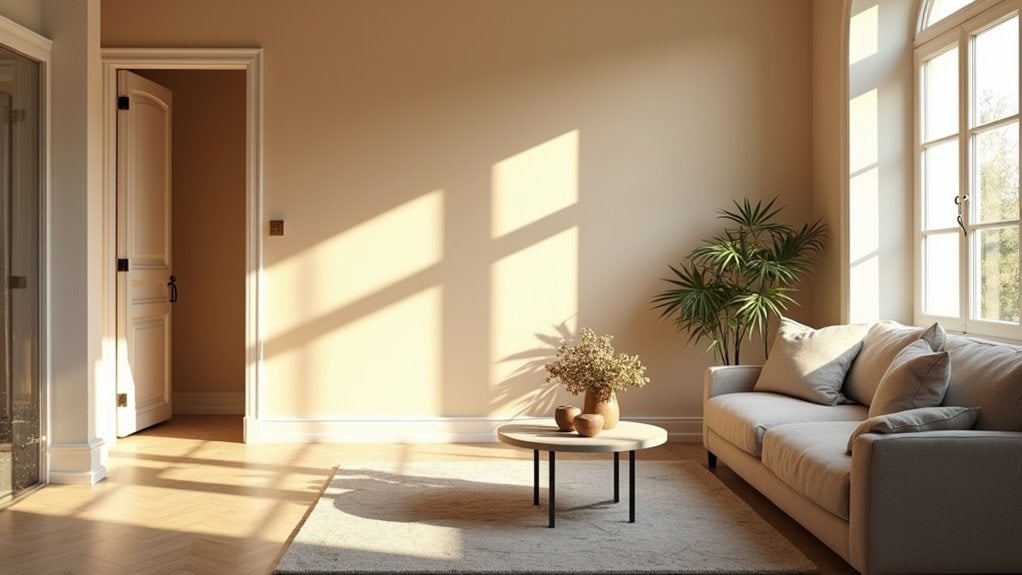
Living rooms are tricky because they pull double duty—relaxing space one minute, entertaining space the next.
So what finish actually works here?
Eggshell is your best bet. It reflects just enough light to boost your living room ambiance without making every scuff obvious. It’s durable enough for regular use but still looks polished.
Color psychology matters too. Lighter shades with an eggshell finish can make a smaller room feel open. Deeper tones in eggshell create something moodier, more intentional.
Flat finish looks beautiful, honestly. But think about your habits first. Do you have kids, pets, or people who touch walls? Flat won’t hold up.
Satin works if your living room gets heavy traffic. It cleans easier but reads slightly more formal.
The Best Paint Finish for Bedrooms
For bedrooms, a matte finish is usually your best bet—it hides wall imperfections really well and creates that calm, low-key look most people want in a space meant for rest. That said, you might want to think about eggshell if your bedroom walls take a lot of wear, since matte can be tricky to clean without leaving marks. Satin’s an option too, though it reflects more light, which may or may not be what you’re going for.
Matte Finish Benefits
When it comes to bedrooms, matte finish is probably the most popular choice—and honestly, it makes sense why.
The matte finish advantages are pretty straightforward once you think about them:
- It absorbs light instead of reflecting it, which creates a softer, calmer atmosphere.
- It hides wall imperfections better than shinier options—bumps, patches, uneven texture.
- It gives your walls a clean, flat look that doesn’t compete visually with décor.
- Matte finish applications work especially well on older walls that have seen better days.
Do you have walls that aren’t perfectly smooth? Matte’s probably your best friend there.
The one thing worth knowing—it’s not the easiest to clean, so high-traffic bedroom walls might need some extra consideration.
Eggshell Versus Satin
Matte’s great, but it’s not the only option worth considering for bedrooms.
Eggshell benefits include a subtle low sheen that adds just a little depth to your walls without feeling too shiny. It still hides imperfections reasonably well. If your bedroom walls aren’t perfectly smooth, eggshell might actually work better for you than satin.
Satin durability is the real selling point there. It holds up to cleaning, handles moisture better, and stays looking decent longer.
So which do you pick?
Think about how your bedroom actually gets used. Kids’ room? Satin probably makes more sense. A quiet adult bedroom with minimal traffic? Eggshell’s honestly fine, maybe even preferable.
Neither finish is wrong. It really just depends on your specific situation.
The Best Paint Finish for Kitchens
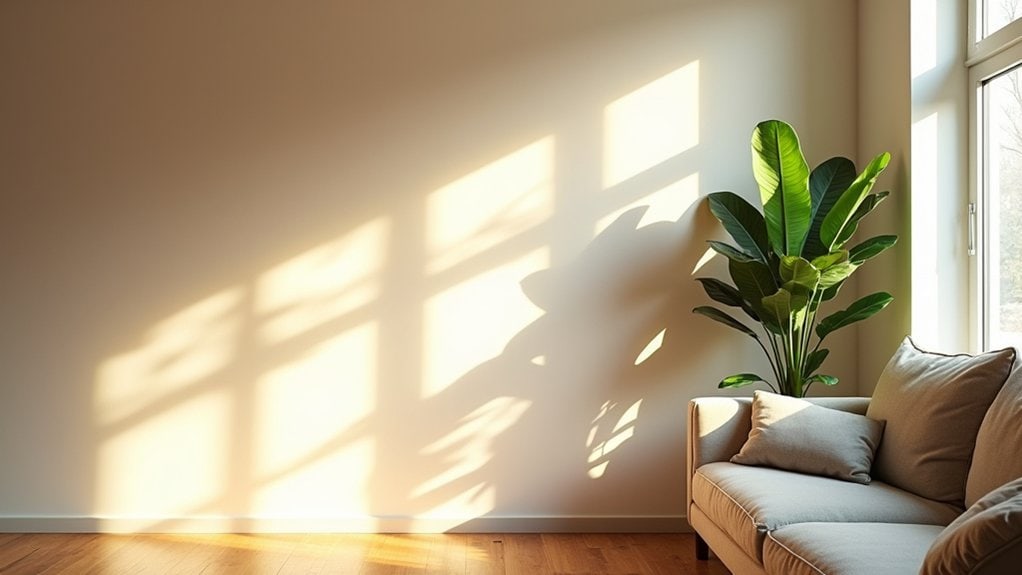
Kitchens are probably the toughest room to paint, and the finish you pick matters more here than almost anywhere else. You’re dealing with grease, steam, spills, and constant wiping. So what actually holds up?
Semi-gloss is the go-to for most kitchens. It cleans easily and resists moisture better than flatter finishes. But satin works too, especially if you want something slightly less shiny.
Here’s what to think about when choosing your kitchen color and finish:
- How much do you cook?
- Do you have good ventilation?
- Are you open to bold texture options or keeping it simple?
- How often are you willing to repaint?
Your answers will honestly guide your decision more than any general recommendation can.
The Best Paint Finish for Bathrooms and Humid Spaces
Bathrooms are actually a lot like kitchens in this way — moisture is the enemy, and the wrong finish will show it fast.
Bathroom moisture and steam resistance should drive your finish choice here. Semi-gloss is again a strong option, but satin works too if you want something slightly softer. Both hold up against daily humidity and make cleaning easier.
Mold prevention is a real concern, especially in bathrooms without great ventilation. Some paints include mildew-resistant additives — worth checking the label.
Color selection matters more than people realize in small, humid spaces. Darker colors can make moisture damage more visible over time.
Do you actually run the exhaust fan every shower? That affects how hard your paint has to work, honestly.
The Best Paint Finish for High-Traffic Hallways
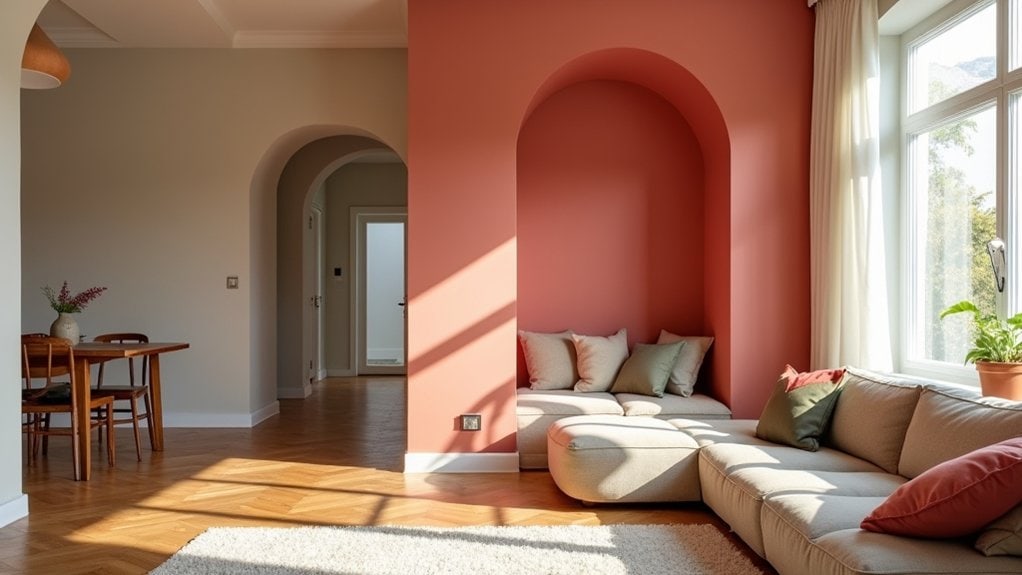
Hallways take a beating — scuffs from bags, handprints near light switches, kids brushing walls as they run past. You need something durable, not just pretty.
Semi-gloss is the go-to here. It holds up, wipes clean easily, and doesn’t absorb every mark thrown at it.
Here’s what to think about when choosing your hallway finish:
- Pick semi-gloss or satin — both handle scrubbing well
- Consider your hallway color carefully — darker shades hide scuffs better
- Think about texture options — smooth walls show marks more than subtle textures
- Test your paint in the actual space before committing
Narrow hallways feel smaller with too much sheen, though. Something worth considering before you buy.
What does your hallway actually deal with daily? That answer shapes everything.
The Best Paint Finish for Kids’ Rooms
So durability needs are real here. You’ll want a satin or semi-gloss finish. Both handle easy cleaning without destroying the wall itself.
Think about your color choices too. Lighter shades hide texture options better. Darker ones can work with playful themes, though they show scuffs more.
If you’re using wall decals, satin grips them better than flat finishes do.
Safety concerns matter — look for low-VOC or zero-VOC formulas. Kids breathe that air constantly.
Room layout affects your decision slightly. A small room benefits from lighter finishes that don’t absorb light.
Honestly? Satin’s probably your safest starting point.
The Best Paint Finish for Ceilings
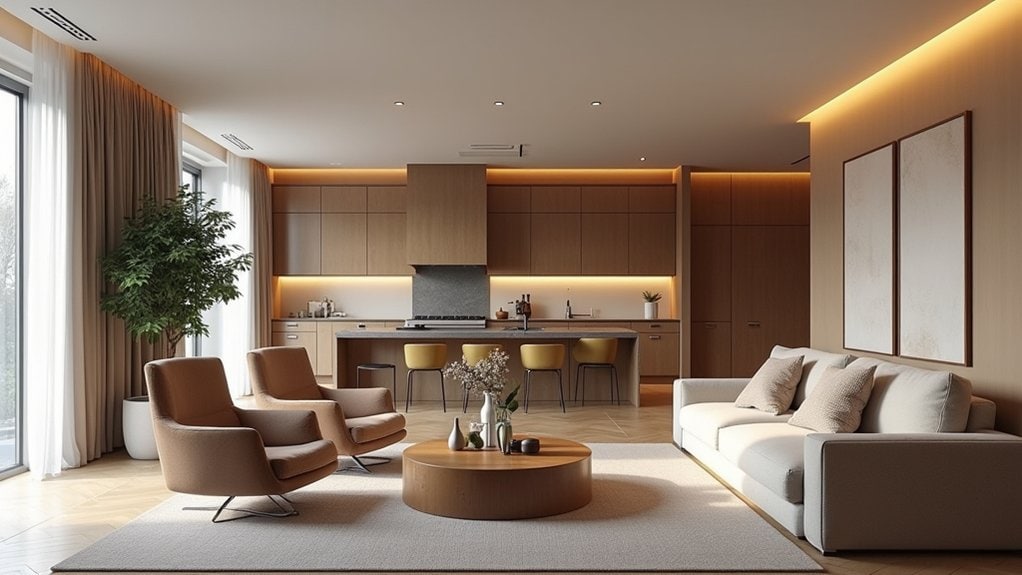
Ceilings are a bit different from walls, and that actually changes what finish you’d want. Most people reach for flat or matte paint up there, and honestly, it makes sense.
Here’s why flat works well on ceilings:
- It hides imperfections without drawing attention upward
- It absorbs light instead of bouncing it around awkwardly
- It pairs cleanly with most ceiling colors without competing
- It works across different texture options without highlighting bumps
That said, flat isn’t your only option. Eggshell can work if you want something slightly more durable.
One thing worth thinking about—do you have kids or pets? Splashes happen. A slightly washable finish might matter more than you’d think, even on ceilings.
Paint Finish Mistakes to Avoid
Picking the wrong finish is one of the easiest mistakes to make, and it usually happens before the first stroke of paint even touches the wall.
One of the most common misconceptions is that flat paint works everywhere because it looks clean and modern. It doesn’t. Put it in a bathroom, and you’ll be repainting within a year.
Paint finish blunders often come from skipping the research and just grabbing whatever’s on sale. Have you thought about how much traffic that hallway actually gets?
Another mistake is using high-gloss in large rooms. It highlights every imperfection on the wall — dents, patches, uneven texture. All of it.
Match the finish to the room’s function first. Everything else comes after that.
Frequently Asked Questions
Can You Mix Different Paint Finishes Together to Create a Custom Sheen?
Yes, you can mix different paint finishes to create custom finishes! By blending sheens, you’ll achieve unique sheen combinations tailored to your needs. Just guarantee you’re using the same brand and base for best results.
How Long Should You Wait Before Repainting Over an Existing Finish?
You should wait at least 24 hours before starting repaint timing on a new coat. Proper surface preparation is key—you’ll want to clean, sand, and prime the existing finish to guarantee ideal adhesion and a flawless result.
Do Different Paint Brands Define Sheen Levels the Same Way?
No, different paint brands don’t define sheen terminology the same way. When you’re making brand comparisons, you’ll notice variations in how they label finishes, so always check each brand’s specific sheen chart before purchasing.
Can Paint Finish Choice Affect Indoor Air Quality or VOC Levels?
Yes, your finish choice directly impacts VOC emissions and indoor air quality. Glossier finishes typically contain higher VOCs but offer better paint durability. You’ll want to choose low-VOC or zero-VOC options for improved air quality indoors.
Does Primer Finish Need to Match the Topcoat Finish You Choose?
No, your primer types don’t need to match your topcoat compatibility exactly. You should, nonetheless, guarantee they’re from the same base—either water or oil—to achieve the best adhesion and a flawless final finish.
Final Thoughts
There’s no single perfect finish for every room, and that’s okay. Think about how you actually use each space — the mess, the light, the mood you want. Start with one room if you’re unsure. Test a sample. Live with it for a few days before committing. Your walls don’t have to be perfect, they just have to work for your life. What room are you tackling first?