Your home is more than walls and furniture—it’s a reflection of who you are. When you walk through your front door, does the space feel truly yours? So many of us get caught up in what’s trending that we forget to ask what actually resonates with our inner lives. Creating a home with soul starts with a simple question: What makes you feel at peace? Not what looks good on Instagram. The answer might surprise you.
The Essentials
- Create spaces that tell your personal story through meaningful objects, colors, and design elements rather than following trends.
- Conduct an emotional inventory to identify what truly matters to you in terms of comfort, aesthetics, and functionality.
- Curate intentional collections of items with personal significance instead of decorating with generic or trendy pieces.
- Choose color palettes based on the emotional responses you want to evoke in each room of your home.
- Design flexible spaces that can evolve with your changing needs, interests, and life journey over time.
Start With Your Story, Not a Trend
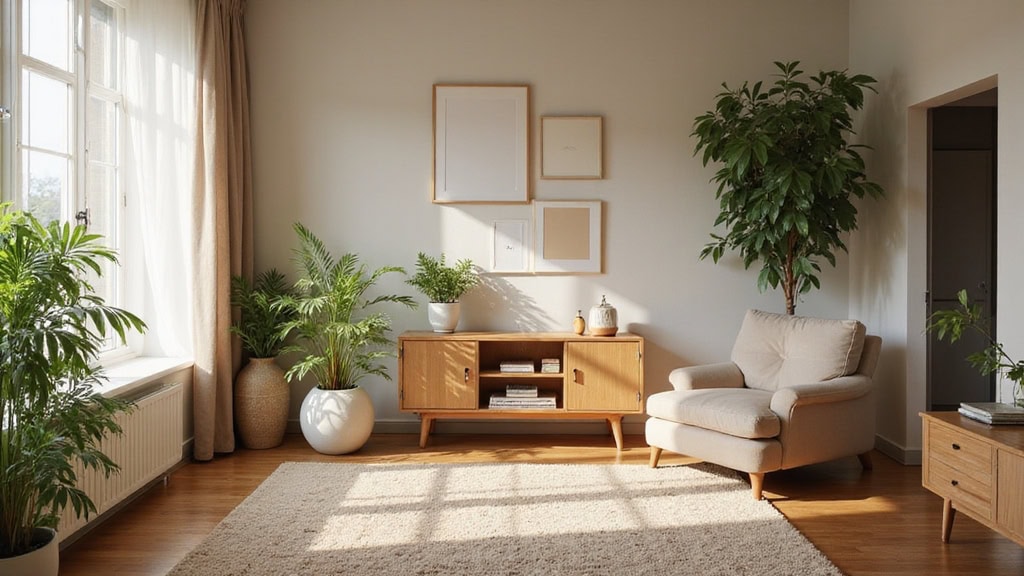
While interior design magazines and social media feeds bombard you with the latest trends, your home should tell your unique story first. Think about what makes you feel alive, not what everyone else is doing. Your personal style in interior design emerges when you trust your instincts rather than chasing what’s “in” this season.
Authentic home aesthetics develop over time. They’re built from your travels, family history, and daily life. What objects mean something to you? Which colors bring you comfort?
Soulful decorating ideas don’t come from catalogs—they come from your identity in home design. Maybe you love books, music, or cooking. Let those passions guide your choices.
Designing a home with heart means sometimes breaking “rules.” Your space works when it works for you, not when it pleases everyone else.
Emotional Inventory: Mapping Your Design Values
To truly create a home that reflects your authentic self, you’ll need to take an emotional inventory of what actually matters to you. What makes you feel alive? Which spaces have made you feel most at ease?
Start by listing your beautiful memories connected to physical spaces. Maybe it’s your grandmother’s kitchen or that vacation rental where you felt completely relaxed. Your personal style emerges from these emotional connections, not from magazines.
Next, identify your design values. Do you value comfort over formality? Simplicity over abundance? There’s no right answer here.
Try walking through your current home. What makes you smile? What makes you wince? These reactions are valuable clues for creating soulful spaces that resonate with your authentic self. Your emotional inventory becomes your most reliable design guide.
Meaningful Objects: Curating With Intention
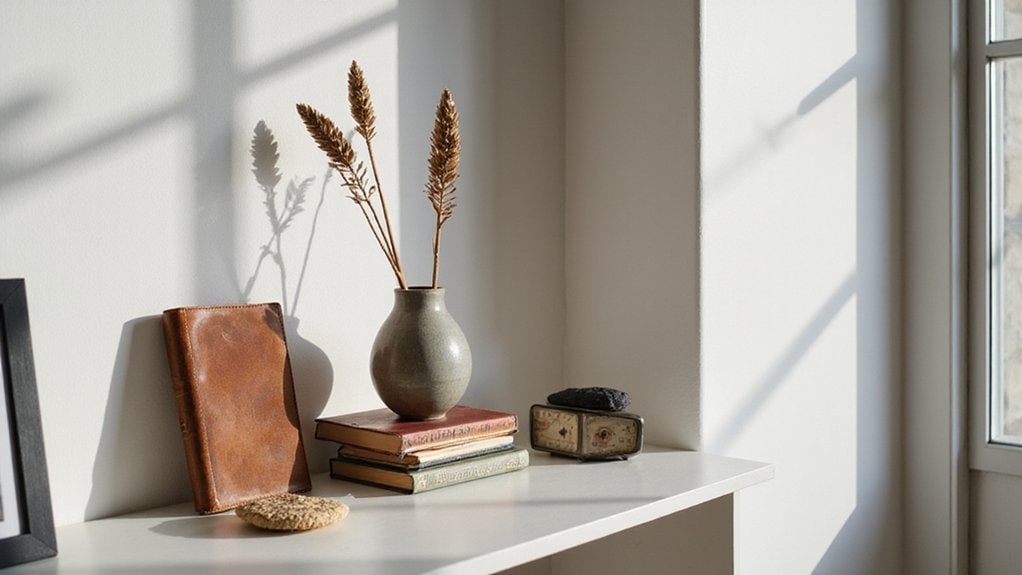
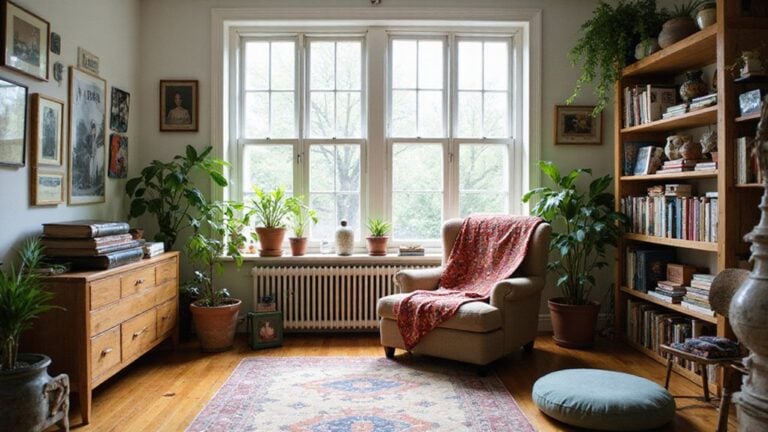
Every home tells a story through its objects, but how intentional is the narrative you’re creating? When you curate with purpose, each item carries weight beyond mere decoration. Those meaningful objects—maybe your grandmother’s ceramic vase or that driftwood you collected on vacation—bring authentic materials and a sense of history to your space.
Try asking yourself what each piece truly means before giving it precious real estate in your home. Does it connect you to nature? Does it showcase vintage elegance you genuinely love, or is it just trendy?
You don’t need to explain your choices to anyone, but you should understand them yourself. The most compelling homes aren’t perfectly styled showplaces—they’re thoughtful collections of things that matter, arranged in ways that make you feel at home.
The Psychology of Color in Personal Spaces
Colors shape our emotions and behaviors far more than we typically realize. That soft blue in your bedroom might be why you’re sleeping better, while that yellow kitchen actually makes you hungrier. Your home’s color story isn’t just about what looks good—it’s about how you want to feel in each space.
When selecting color palettes, think beyond color trends. Ask yourself: Do you need vibrant colors to energize your home office, or would muted color tones help you unwind after stressful days?
Creating Ritual Corners: Spaces That Support Your Practices
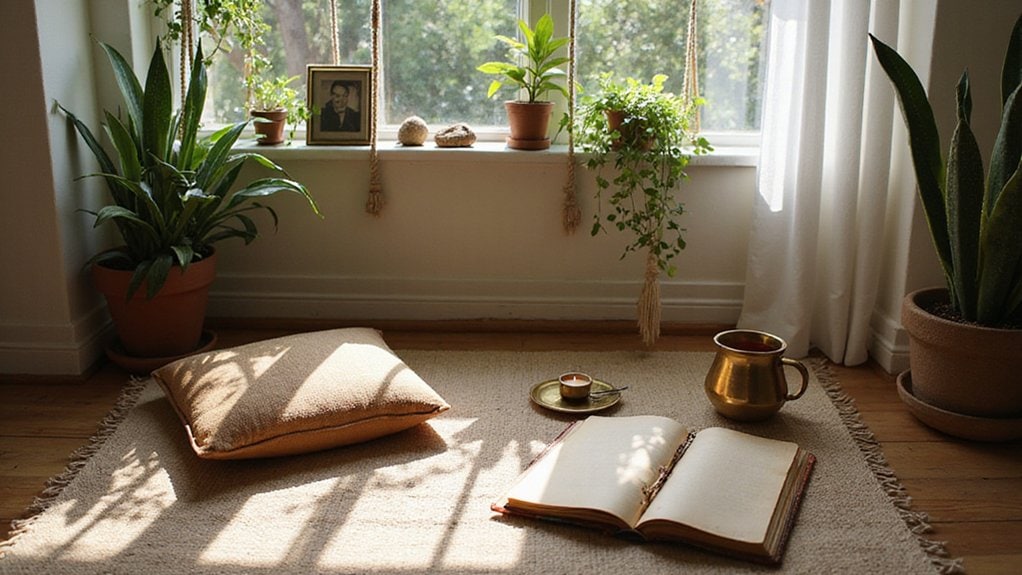
Beyond selecting the perfect color palette, carving out dedicated spaces for your personal rituals can transform how you experience your home. Think about what practices center you—meditation, reading, crafting, or maybe just morning coffee. Then designate a specific corner in your living space for these moments.
Start by clearing space of unnecessary clutter. This isn’t just about tidiness; it’s about making room for intention. Add natural elements that speak to you—a small plant, stones collected from meaningful places, or wooden objects that ground your energy.
Today’s soulful home design trends emphasize personalization over perfection. How to create a space that reflects your story? Include objects that trigger positive memories or represent aspirations. Maybe it’s a cushion from your travels or a candle with a scent that calms you.
Imperfect Beauty: Embracing Wabi-Sabi at Home
While modern design often celebrates pristine perfection, there’s something deeply comforting about the Japanese philosophy of wabi-sabi in our homes. This approach embraces imperfect beauty and the natural aging process of genuine materials.
You’ll notice it in the patina of living finishes that tell a story—copper that gradually oxidizes or leather that develops character marks. Raw wood with visible knots and grain variations brings warmth no manufactured surface can match.
Think about what happens when you stop fighting against imperfection. That slightly uneven handmade ceramic bowl might become your favorite piece. The weathered edge of your dining table speaks to years of family gatherings.
Timeless decor isn’t about perfection. It’s about authenticity. What elements in your home could you appreciate for their imperfections rather than trying to replace or refine them?
Sensory Design: How Your Home Should Feel, Not Just Look
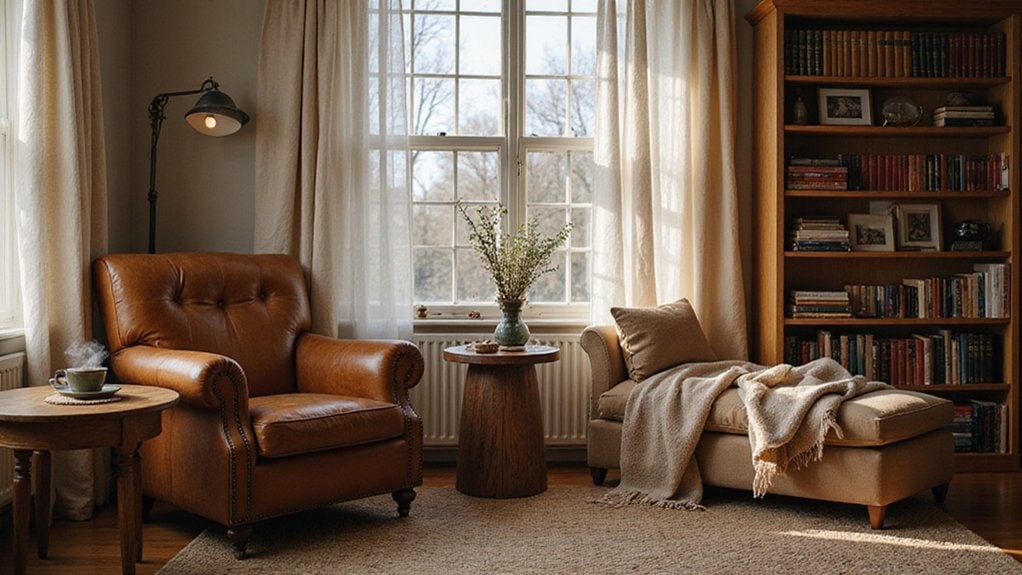
When we discuss interior design, most conversations revolve around what catches the eye – furniture placement, color schemes, and decorative objects. But a truly soulful home engages all your senses, not just vision. The design concept should include how spaces feel to touch, smell, and sound.
You can create this multi-sensory environment by focusing on:
- Natural materials that invite touch – wood grain, stone textures, soft wool
- Earthy tones that warm a space while creating visual calm
- Ambient sounds – wind chimes, water features, or simply spaces that allow for peaceful quiet
- Scents that evoke comfort – herbs, essential oils, or fresh air
The connection between indoors and your emotional state is powerful. When you walk into a room, pay attention to how it makes you feel. Does it energize you? Calm you? That’s your design talking.
Evolving Spaces: Allowing Your Home to Grow With You
As we journey through life, our homes should adapt alongside us, reflecting changing needs, evolving tastes, and shifting family dynamics.
You’ll find that your favorite trends from early adult life might not serve you forever. That’s perfectly normal. Creating evolving spaces means designing with flexibility in mind—using furniture that can serve multiple purposes or rooms that can transform as real lives unfold.
Maybe you need a home office that can later become a nursery, or perhaps a guest room that doubles as your crafting space. How to make your home feel like you isn’t a one-time decision but an ongoing conversation between your space and your changing self.
Don’t be afraid to let go of what no longer fits. Your home should breathe and stretch with you.
Frequently Asked Questions
How Do I Balance Family Members’ Conflicting Design Preferences?
You’ll navigate conflicting design preferences by creating shared spaces with compromise and personal zones for individual expression. Hold open discussions, find common themes, and consider rotating seasonal elements to satisfy everyone’s taste.
What’s the Budget Breakdown for a Soul-Centered Home Renovation?
Like gardening for your soul’s landscape, you’ll want to allocate roughly 60% for structural essentials, 30% for personalized details that speak to you, and 10% for unexpected spiritual discoveries along the renovation journey.
Can Minimalist Design Still Have Soul and Personal Meaning?
Minimalist design can absolutely have soul. You’ll find meaning in carefully chosen pieces that resonate with your story. It’s not about emptiness, but intentionality—each item you keep should spark genuine connection.
How Do I Incorporate Heirlooms That Don’t Match My Aesthetic?
Like gems in a modern setting, your heirlooms can shine in unexpected ways. You’ll find balance by displaying them in curated vignettes, reupholstering pieces, or placing them in dedicated spaces that honor their significance.
Should I Hire a Professional or Tackle Soul-Centered Design Myself?
You can tackle soul-centered design yourself if you’re deeply connected to your space, but professionals bring fresh perspectives and technical skills. Consider starting alone and hiring help for specific challenges or larger projects.
Final Thoughts
Your home is your Odyssey—a journey, not a destination. When you design with soul, you’re building more than shelter; you’re crafting the landscape of your inner world. Trust your instincts. Let your spaces breathe and shift. Remember that true style isn’t found in perfection but in authenticity.
What matters most isn’t what others see when they enter your home, but how you feel when you return to it. That feeling? It’s coming home to yourself.