
If your home feels crowded, you don’t need to fix everything at once. Start with one room and notice what you actually use every day. In your entryway, do you need five pairs of shoes by the door, or just the two you grab? In the kitchen, what’s taking up space but never earns it? Small choices like that add up, and once you see the pattern, it gets a little harder to ignore what’s next.
The Essentials
- Start with one room, identify three clutter hotspots, and tackle one small task to build momentum without feeling overwhelmed.
- In entryways and kitchens, remove non-essentials, group everyday items, and use trays, racks, bins, and labels for easy upkeep.
- In living rooms and bedrooms, clear surfaces, keep only meaningful decor, and organize frequently used items for a calmer space.
- In bathrooms, closets, and utility areas, discard expired products, sort by category, and create clear storage zones by frequency of use.
- Prevent clutter from returning by assigning every item a home, doing quick daily resets, and pausing before new purchases.
Start With a Room-by-Room Plan
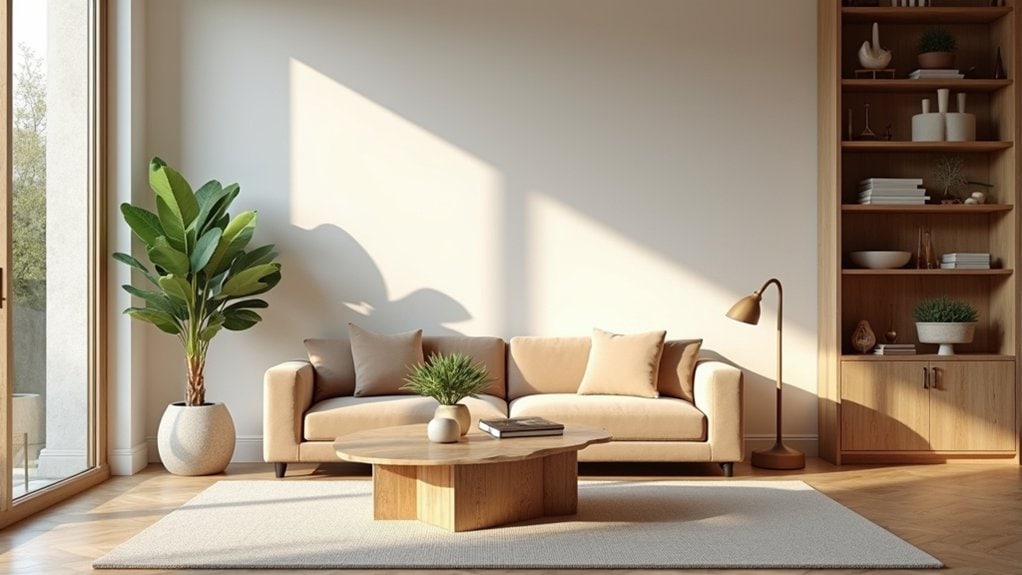
Start with one room, not the whole house.
Pick a space you use a lot, like your bedroom or kitchen, and make that your starting point. You need a decluttering mindset before you touch anything. Ask yourself what you actually need in this room, what slows you down, and what feels off. Then set room priorities. Maybe you clear the nightstand first, or the kitchen counter, because those spots bother you every day.
Write a short plan, even if it’s messy. List three problem areas. Give yourself one small task for today. Don’t map the whole house yet. Just decide where you’ll start, what you’ll sort, and where donations go. If you hesitate, that’s normal. What room feels easiest to finish without getting distracted right now, today?
Why Room-by-Room Decluttering Works
When you work room by room, you give yourself manageable steps, so you actually start instead of stalling out. You make better room-specific decisions too, because what belongs in your kitchen usually won’t make sense in your bedroom, right? And as you repeat that process, you build lasting decluttering habits that feel more normal, less like some big reset.
Manageable Steps
A room-by-room approach makes decluttering feel less like a huge project and more like something you can actually finish.
You focus on one space, make a few decisions, and stop before burnout kicks in. That builds a clutter-free mindset without forcing perfection. You start noticing what supports intentional living and what only lingers because of emotional attachment. Small decluttering strategies, like clearing one drawer or one shelf, help mindful minimalism feel practical, not strict.
You also see faster wins. Better space arrangement improves visual appeal, and that little productivity boost matters more than you’d think. You can test sustainable organizing habits, adjust maintenance routines, and learn what works for your real life. What feels easy to keep up with? What keeps slipping back? Those answers matter a lot.
Room-Specific Decisions
Some rooms ask different things from you, and that’s exactly why decluttering them one by one works better than using the same rule everywhere.
Your kitchen needs room essentials close by, while your bedroom may force harder choices about sentimental items and emotional attachment. When you sort by room, you use declutter strategies that actually fit the space. You don’t waste energy deciding everything at once, so decision fatigue eases up a bit.
Try a routine evaluation in each room. What do you reach for daily? What just sits there because you feel weird letting it go? A bathroom might need simple organizational systems. A living room may need a more minimalist mindset, or maybe not fully minimalist. That’s the point, really. You make better decisions when the room tells you what matters most.
Lasting Decluttering Habits
Because habits stick better than big clean-out bursts, room-by-room decluttering works long after your first round is done.
You build a decluttering mindset by tying small resets to daily routines, like clearing one surface before bed. That feels manageable, so you keep going. You also notice emotional attachment sooner, room by room, instead of getting overwhelmed and quitting halfway.
Try mindful consumption before buying anything new. Ask yourself where it will live. Use habit tracking if you need a nudge. Keep digital decluttering on your list too, because messy files create the same drag.
Seasonal reviews help you catch buildup early. So do simple donation strategies by the door. And honestly, family involvement matters. If everyone makes sustainable choices together, your home stays lighter without constant marathon purges or guilt.
Declutter Your Entryway First
Start with your entryway, even if it’s tiny. It sets first impressions fast, so clear out anything that doesn’t support your entryway essentials. Toss junk mail, broken umbrellas, random bags. Then handle shoe organization with a rack or tray you’ll actually use.
Give coats a real home too. Good coat storage can be hooks, a slim closet rod, even one sturdy basket for hats and gloves. Keep a minimalist approach, but don’t make it cold. Functional decor matters. A small bench, a mirror, and a bowl for keys can create a welcoming atmosphere without crowding the space.
Think about seasonal swaps. Do you need heavy scarves out in July? Add a few decorative accents, then check your lighting choices. Does the space feel calm, or just dim and cluttered?
Declutter Kitchen Counters and Cabinets
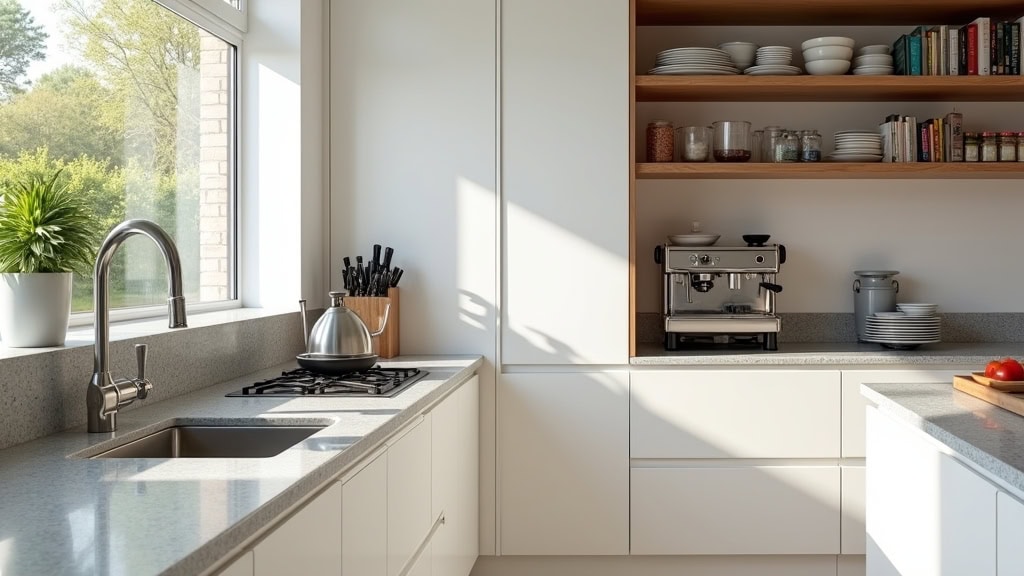
The kitchen usually collects clutter without you noticing, so clear your counters down to what you use most days. Keep only daily tools near your meal prep zone, and move extra kitchen gadgets off display. Better counter organization cuts surface clutter fast and makes cleaning routines easier, honestly.
Open each cabinet and question what earns space. Group mugs, bowls, and baking gear so cabinet storage feels obvious, not cramped. Use simple appliance management too: store the toaster or blender if you don’t use it all week. Try utensil sorting in one drawer instead of spreading tools everywhere. Limit decorative items to one or two pieces you actually like. Leave pantry organization for later, but stop stuffing cabinet shelves with overlap. If you need something, can you reach it without shifting three other things?
Clear Out the Pantry and Fridge
Two quick checks can change your pantry and fridge fast: what’s expired, and what you keep buying but never use.
Pull everything out. Check expiration dates, then make a simple fridge inventory so leftovers don’t disappear again. For pantry organization, group foods by use: breakfasts, snacks, baking, weeknight dinners. That makes meal planning easier, honestly, because you’ll see what you already have.
Set aside unopened extras for donation options, if they’re still good. Toss spoiled food, and follow recycling practices for jars, boxes, and bottles. Use storage solutions that fit your habits, not some perfect system online. Clear bins, container systems, and basic food labeling help. So does space arrangement: put everyday items at eye level.
And ask yourself, before shopping again, why do those lentils keep coming home with you anyway?
Declutter Your Living Room
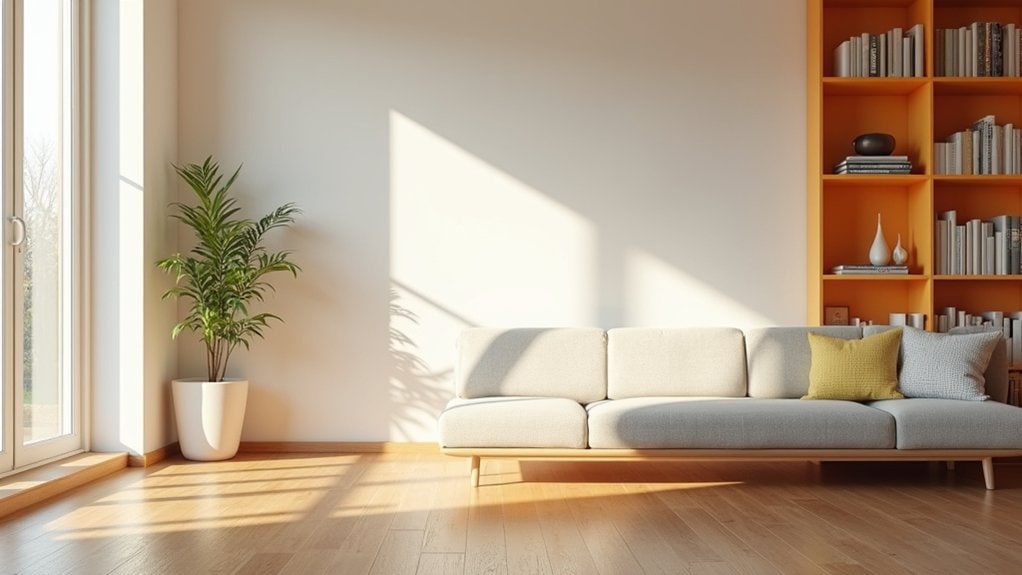
Once the food clutter’s under control, your living room usually tells the truth about the rest of the house. You can reset it without making it feel stiff or bare. Start by defining your living room essentials and what you actually do here.
- Keep comfortable seating that gets used, and remove extra chairs blocking family friendly layouts.
- Edit entertainment zones so cords, remotes, and old devices don’t compete for attention.
- Choose lighting options you use nightly, then store seasonal decor somewhere else.
- Limit decorative accents, wall art, and personal touches to pieces you’d notice if they disappeared.
If you need more function, bring in multi functional furniture like an ottoman with storage. Ask yourself what supports movie night, reading, or talking, and what’s just… hanging around lately.
Declutter Shelves and Surfaces
Start with your shelves: pull off anything you don’t use, love, or even notice anymore, then put back only what actually earns the space.
On daily surfaces like counters, nightstands, and entry tables, keep the basics out and move the rest so your home feels easier to use.
If a surface keeps collecting random stuff, ask yourself what’s landing there every day and why you’re letting it stay.
Clear Shelf Clutter
If your shelves have turned into a catch-all, pull everything off one section at a time and look at what actually belongs there.
Then reset with shelf organization that feels usable, not fussy. Try a minimalist approach and keep only decorative items or functional decor you actually like. Ask yourself what adds visual aesthetics and what just fills space. Your book arrangement matters too. Stack some, stand others, and maintain balance.
- Group similar items and leave breathing room.
- Use storage solutions for cords, papers, or tiny extras.
- Add personal touches, but don’t crowd every inch.
- Do a seasonal rotation so shelves stay fresh.
You don’t need perfect shelves. You need shelves you can live with. If something feels off, it probably is. Edit again later.
Simplify Daily Surfaces
Even when the room looks mostly fine, daily surfaces can still make your home feel messy fast.
Look at the spots you use without thinking: the coffee table, nightstand, kitchen counter, entry console. If something lands there every day, give it a real home nearby. That’s surface organization in practice, and it saves you from constant little resets.
Try limiting each surface to a few useful things or a bit of minimal decor you actually like. A tray for keys, one lamp, maybe a bowl. That’s enough, usually. If a surface keeps collecting random stuff, ask yourself why. Is the storage awkward? Are you keeping items there out of habit?
Clear one surface fully, then put back only what earns its place. You’ll notice the room feels easier right away.
Declutter the Dining Room and Drop Zones
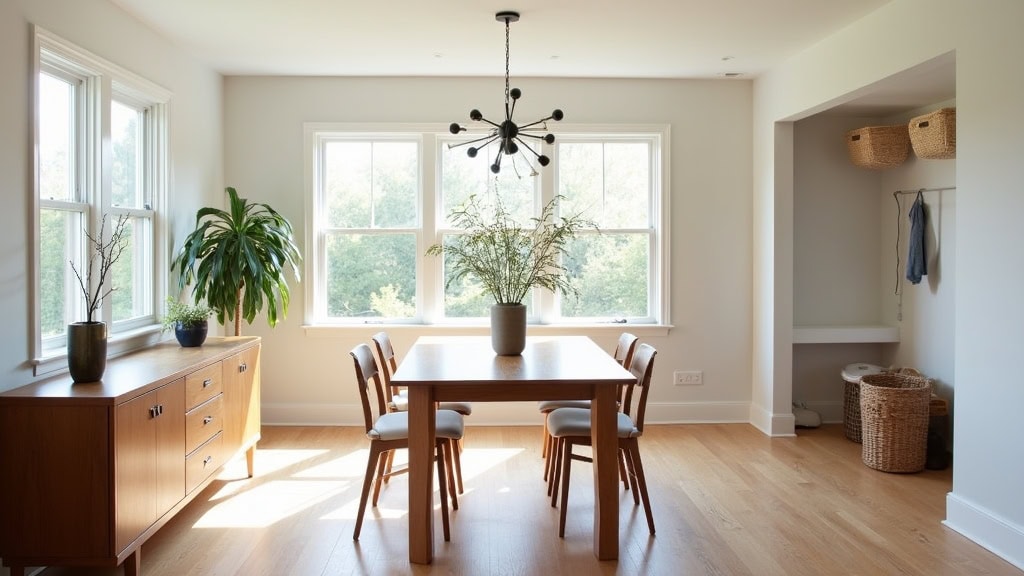 Because the dining room often turns into a catch-all without you noticing, it helps to clear it by function, not by item. Start with zone organization. Keep dining decor you actually use or love, then remove paperwork, bags, and random extras.
- Clear the table for meals and family gatherings only.
- Use functional furniture like a sideboard for clutter solutions.
- Create a drop zone by the door for keys, mail, and shoes.
- Revisit seasonal adjustments so serving pieces don’t crowd daily space.
You’re aiming for space enhancement, but also aesthetic balance. That matters more than you think. If a chair holds laundry, ask why it’s there. If mail lands everywhere, what container would catch it? Small resets after dinner keep the room usable, calm, and honestly easier to maintain every day.
Declutter Your Bedroom for Better Sleep
Once the dining room feels less crowded, your bedroom is a smart next place to look, since it affects how you end your day and how you start it.
Clear off nightstands, floors, and that chair where random stuff lands. A clutter free environment supports better sleep hygiene and makes your bedroom ambiance feel quieter, maybe even lighter. Keep surfaces simple with minimalist decor, calming colors, and a few things you actually use.
Try small organization techniques like trays for chargers, a basket for books, or drawers for cords. Build a bedtime routine around order. Put away screens, dim lamps, and add soothing scents if they help. What makes the room feel like a personal sanctuary to you? If you edit with mindful living in mind, you’ll sleep easier, or at least settle faster tonight.
Declutter Your Closet and Keep Favorites
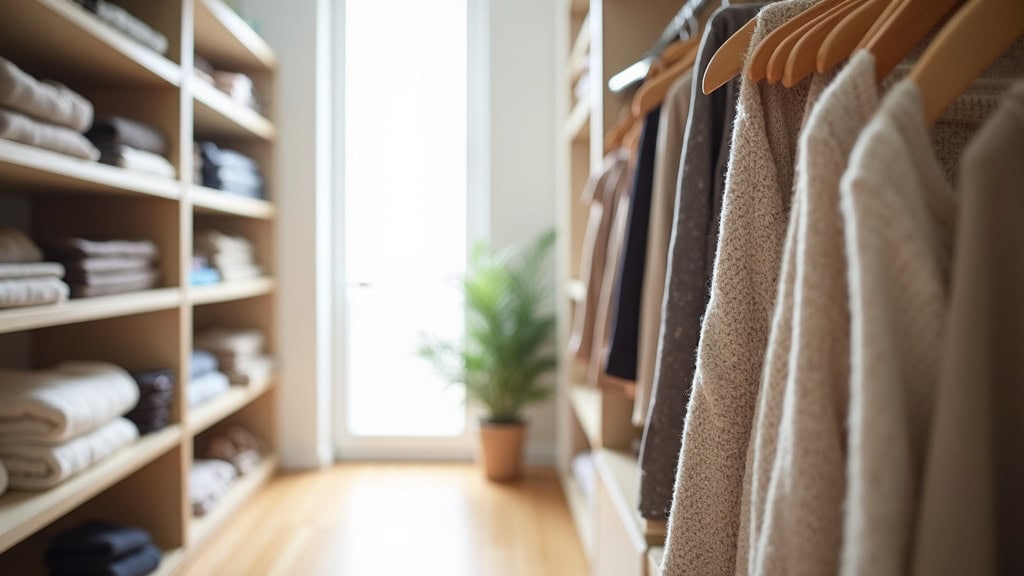 Your closet gets easier to use when you edit your wardrobe honestly and pull out the pieces you actually reach for.
Ask yourself what you wear every week, what just sits there, and whether your favorites need better storage so they stay easy to grab.
You can fold knits, hang the basics you love, and box up off-season stuff so, yeah, the whole space feels less crowded.
Edit Your Wardrobe
Start by pulling everything out so you can see what you actually own, not just the few things you wear on repeat.
Then get honest. Your style assessment matters more than guilt, trends, or thrift shopping deals you meant to alter.
- Try wardrobe rotation and seasonal editing. Ask what fits your life right now.
- Build a capsule wardrobe from pieces you reach for weekly. Keep outfit planning easy.
- Use donation strategies for duplicates, bad impulse buys, and almost-right items.
- Check fabric care needs. If something annoys you to wash, will you really wear it?
Closet organization gets easier once you choose from a minimalist mindset. You’re not keeping a fantasy self dressed for five different lives. You’re editing for your real week, your habits, your comfort. That’s enough, honestly.
Store Favorites Smartly
Even if you’ve pared things down, the way you store what stays matters just as much. Put your favorite items where you can actually see and reach them, not buried on a high shelf or stuffed in the back. You’re more likely to wear what feels easy.
Try simple storage solutions that match how you get dressed. Use matching hangers for daily pieces, drawer dividers for socks and tees, and clear bins for off-season stuff. These declutter strategies keep your closet from slowly getting messy again. A few solid organization tips help too. Group clothes by type, then by color, or maybe by how often you wear them. What do you reach for every week? Give those pieces prime space. If something’s awkward to store, ask yourself why you’re keeping it at all.
Declutter Bathroom Storage and Products
A lot of bathroom clutter comes from things you use up slowly and forget to check, like half-empty bottles, old makeup, backup toothpaste, or towels you never reach for.
- Pull out bathroom essentials and sort them into product categories.
- Toss anything past product expiration or that you simply won’t use.
- Use storage solutions that support space efficiency, like drawer bins or shelf risers.
- Keep only what fits your cleaning routines and daily habits.
You don’t need a perfect system. You need organization tips you’ll actually follow. Aim for minimalistic design, but keep functional decor that adds aesthetic appeal, too. Ask yourself what you reach for every day, and what just sits there. If a product duplicates another, why keep it? Edit first, then arrange. That’s what makes the room feel calmer.
Tidy the Laundry Room and Utility Spaces
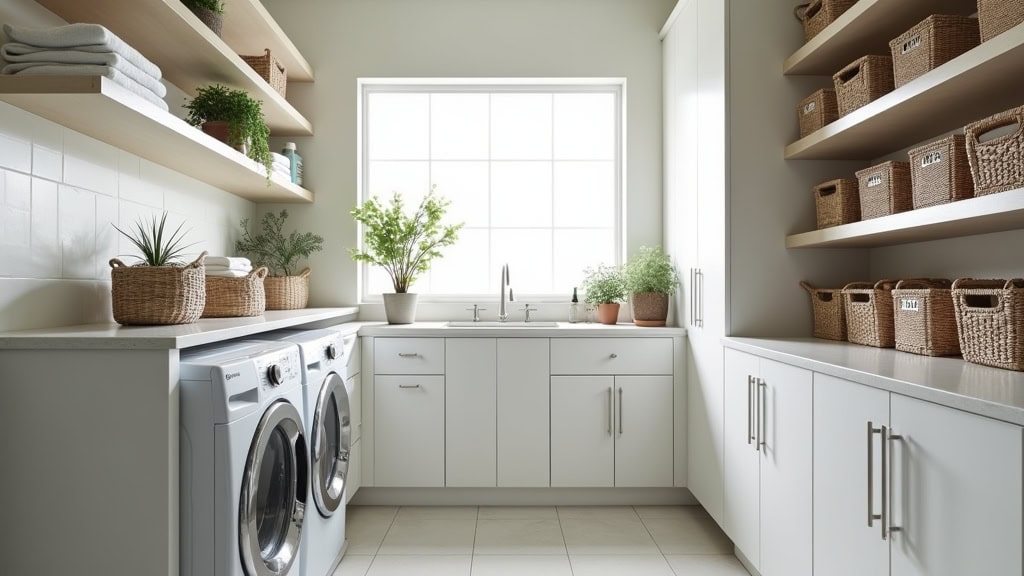 Your laundry room works better when you cut back on extra cleaners and keep only what you actually use.
Group things by task so you’ve got a clear spot for detergent, stain remover, tools, and backup paper goods.
If this space always turns messy again, what’s slowing you down—too many products, or no real zones yet?
Streamline Cleaning Supplies
Start by pulling every cleaner, detergent, sponge, and random half-used bottle out of the laundry room and utility cabinets so you can see what you actually have.
Then edit hard. You probably don’t need five sprays that do almost the same thing. Keep cleaning product essentials, toss expired items, and recycle empties if you can. If you want less clutter, try eco friendly options that replace multiple products.
- Group supplies by frequency usage, so daily basics stay easy to grab.
- Combine duplicates and finish open bottles before buying more.
- Use simple storage solutions like bins or caddies, but don’t overbuy containers.
- Keep backups small and realistic. Ask yourself, when did you last use that stain remover?
A lean supply stash saves space, cuts waste, and makes cleaning feel a bit less annoying overall.
Organize Utility Zones
Once you’ve trimmed the cleaning stash, the next step is giving the whole laundry room or utility area some actual structure.
Start by grouping what you use together: detergent with stain removers, trash bags near bins, tools in one grab-and-go spot. That small reset makes utility organization feel less annoying. Add hooks for brooms, a shallow shelf for backups, and one basket for things that don’t belong there but somehow land there anyway.
Think about your routine. Do you fold here, sort here, fix things here too? If so, make room for that instead of pretending the space only does laundry. Productive storage helps, but only if you can reach it fast. Label a few containers. Leave some open space. And honestly, if something keeps getting dumped there, ask why. Maybe that’s the real issue.
Declutter Kids’ Rooms With Less Stress
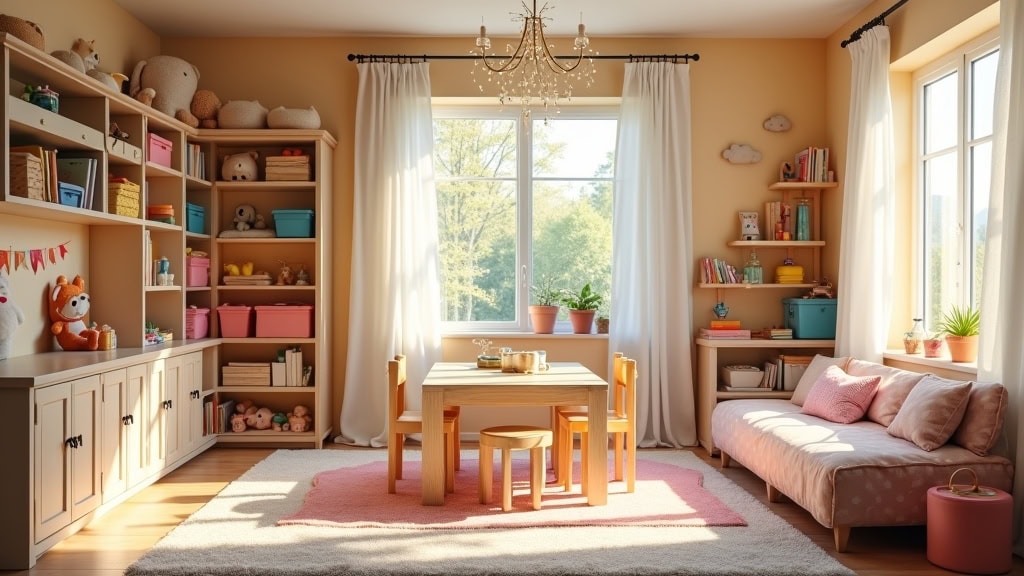 When kids’ rooms get out of hand, the fastest way to lower the stress is to make the job smaller right away.
You don’t need to empty every drawer. Start with what you can see, then create designated zones for books, art, and favorite toys. Kids often feel emotional attachment, so let them choose what stays. Try this:
- Use creative storage like bins, hooks, and low shelves.
- Set up toy rotation to reduce overload and support organized playtime.
- Ask for family involvement, even if it’s just ten minutes.
- Use reward systems for tough choices, not every choice.
Routine decluttering helps, but keep it light. Seasonal swaps can free space without pressure. And maybe pause before mindful purchases. Do they need another stuffed animal, or just room to play and breathe?
Keep Clutter From Coming Back
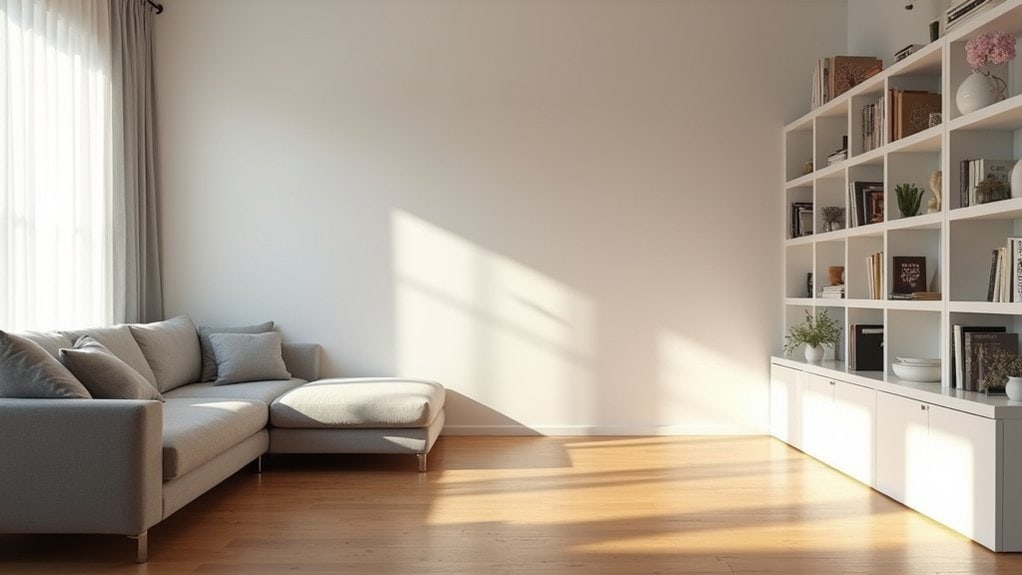
A few small habits will do more to keep clutter out than one big cleanup ever will. You need simple rules you can actually keep.
Notice your clutter triggers. Maybe mail lands on the counter, shoes pile by the door, or shopping bags sit unopened for days. If you catch the pattern early, you can change it.
Try easy maintenance strategies. Reset one room before bed. Put donations straight in your car. Keep a small trash bin where paper collects. Ask yourself, do you really need extras in every drawer?
Give new items a home right away, or don’t bring them in yet. That part matters more than you’d think. And when life gets busy, do a ten minute sweep. Not perfect. Just enough to stop the slide before it starts again.
Frequently Asked Questions
How Much Does Professional Decluttering Typically Cost?
You’ll typically pay $50–$150 per hour for professional decluttering, though prices vary by location and experience. Ask for a cost breakdown and compare service packages, since you can often save money with bundled sessions.
What’s the Best Way to Donate Unwanted Items?
The best way to donate unwanted items is to sort by Item condition, then contact Local charities or Donation centers that match needs. You’ll schedule drop-offs, request receipts for Tax deductions, and donate responsibly.
How Long Does a Full-Home Decluttering Project Take?
A full-home decluttering project usually takes you anywhere from a weekend to several months, depending on your home’s size, clutter level, time management, and decluttering strategies. If you stay consistent, you’ll finish faster and avoid burnout.
Should I Declutter Before Moving or After Relocating?
Declutter before moving whenever you can; you’ll save time, money, and effort. You’ll gain pre move benefits by packing less. After relocating, use post move strategies to refine what’s truly useful in your new space.
What Cleaning Supplies Are Essential After Decluttering?
You’ll need cleaning essentials like microfiber cloths, all-purpose cleaner, disinfectant, glass spray, a vacuum, mop, and trash bags. Add organizing tools like bins, labels, and drawer dividers so you can maintain your newly decluttered space.
Final Thoughts
You don’t need to fix the whole house at once.
Pick one room, finish one shelf, toss the expired stuff, and notice what you actually use. Ask yourself: do you reach for it, or just store it? Get your family to reset things nightly, even if it’s not perfect.
And before you buy more bins or backups, pause a second. Will this help your home work better tomorrow, or just give your clutter a neater place to sit?