Dark walls can completely change how a room feels — but getting it right takes more thought than just picking a moody color. You might love how deep navy looks on a paint swatch, then feel trapped once it’s on all four walls. So what actually makes the difference between a space that feels intentional and one that feels like a mistake? The answer usually comes down to a few specific choices most people overlook.
The Essentials
- Choose a dark color that suits the room’s function; navy for calm, forest green for warmth, or charcoal for neutral depth.
- Layer lighting with sconces, floor lamps, and under-cabinet strips to prevent dark walls from feeling cave-like.
- Balance dark walls using light wood furniture, cream textiles, and brass accents to add contrast and warmth.
- Bedrooms, dining areas, and living rooms benefit most from dark walls, creating relaxation and deliberate atmosphere.
- Always test paint colors under actual lighting and use eggshell or satin finishes to maximize depth and contrast.
The Best Dark Wall Colors for Every Room Style

Picking the right dark color really depends on the room you’re working with, and honestly, that’s where a lot of people get stuck.
Color psychology plays a real role here. Deep navy tends to feel calm and focused, which makes it work well in a home office or bedroom. Forest green reads warmer, more grounded. Charcoal gray stays pretty neutral but still adds weight.
Room size matters too, maybe more than you’d expect. A small room doesn’t automatically rule out dark walls — it can actually feel more intentional, more deliberate. But you do need to think about your lighting situation.
What’s the natural light like? What furniture are you working around? Those answers will point you toward the right direction faster than any color trend will.
How to Use Light and Contrast to Balance Dark Walls

Once you’ve landed on a dark color, the next challenge is making sure the room doesn’t feel like it’s swallowing you whole.
Lighting techniques matter more than most people realize. You’ll want layered light — think sconces, floor lamps, maybe under-cabinet strips — not just one overhead fixture doing all the work. Where you place light changes everything.
Color accents help too. A cream linen sofa, warm wood shelving, even a single light-toned rug can pull the room back from feeling too heavy. It doesn’t take much, honestly.
Ask yourself: does the room have enough contrast, or does everything kind of blur together?
You don’t need to overthink it. Just make sure something lighter is breaking up the darkness — somewhere, somehow.
The Right Furniture and Textiles for Dark Walls
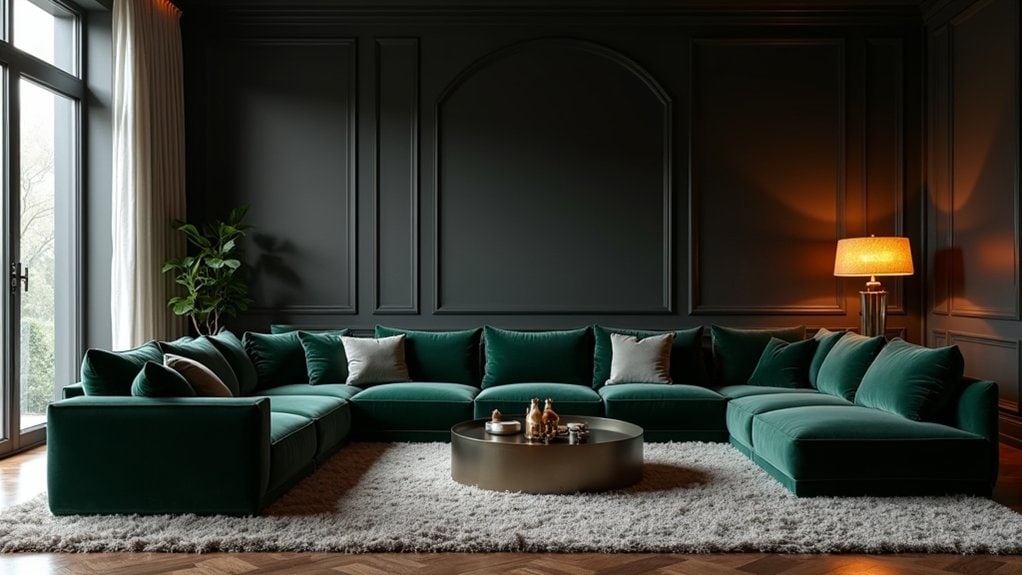
Furniture styles and textile textures can either ground a dark room or make it feel heavy. You want pieces that create some visual breathing room.
A few things worth considering:
- Light wood furniture — oak or ash — pulls warmth without competing
- Linen or cotton textiles in cream or warm white soften the weight
- Velvet works surprisingly well if you keep the color muted
- Metal accents, brass especially, catch light in a useful way
- Chunky knit throws or woven rugs add textile textures that feel lived-in
Don’t overthink the furniture styles too much. Sometimes one lighter piece is honestly enough to shift how the whole room feels.
Which Rooms Actually Benefit From Dark Walls?
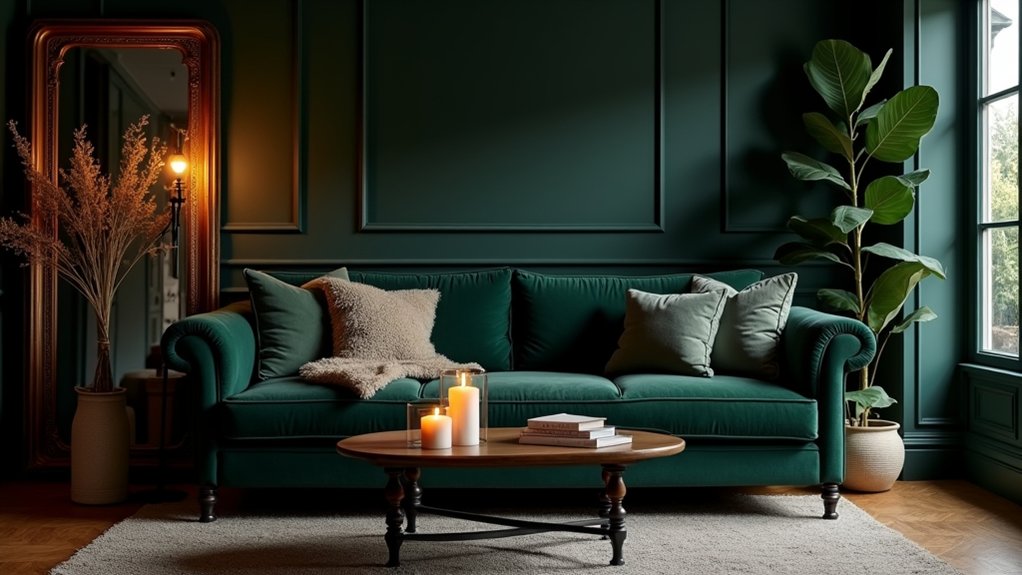
Not every room handles dark walls the same way, and that’s worth thinking about before you commit to a color.
Your bedroom is probably the easiest win. Color psychology backs this up — darker tones genuinely help your brain wind down. Your living room can work too, especially with accent walls and intentional mood lighting pulling things together.
The dining area? Honestly underrated. A deep-toned room with warm light makes meals feel more deliberate somehow.
Your home office is trickier. Some people focus better in moody spaces. Others find it draining. Know yourself.
Texture play matters more in smaller rooms — a bathroom or hallway with dark walls needs visual interest to avoid feeling flat.
Not every space needs the same commitment. Start with one room and see.
Dark Wall Mistakes That Kill the Look (and How to Fix Them)
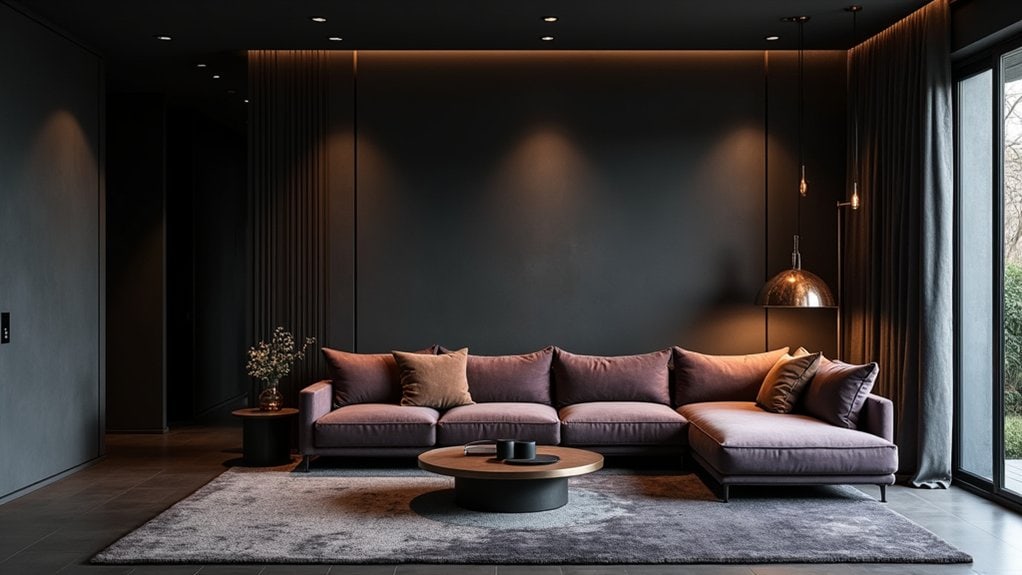
Dark walls can go sideways fast, and usually it’s not the color itself that’s the problem. It’s the surrounding decisions. Small missteps stack up quickly.
Watch out for these common mistakes:
- Skipping layered lighting options, then wondering why the room feels like a cave
- Choosing the wrong paint finishes — flat kills depth, eggshell or satin usually works better
- Leaving trim and ceilings the same dark color with no contrast at all
- Crowding the space with furniture that’s too dark or too large
- Forgetting to test your paint color under actual room lighting before committing
Any one of these can drag the whole look down. You don’t need a full redo either. Sometimes just adjusting your lighting options or switching paint finishes is honestly enough.
Frequently Asked Questions
Can Dark Walls Negatively Affect My Home’s Resale Value?
Dark walls can hurt your resale value, but it’s not guaranteed. You’ll want to contemplate current resale trends and buyer preferences in your area, as some buyers love moody rooms while others prefer neutral tones.
Are Dark Walls Harder to Repaint or Cover Than Lighter Colors?
Yes, dark walls are harder to cover. You’ll need thorough paint preparation, including primer coats, to block deep pigments. Your color selection matters too — choosing lighter shades means you’ll likely apply multiple coats for full coverage.
Do Dark Walls Make a Room Feel Warmer or Cooler Temperature-Wise?
You’ll perceive dark walls as warmer due to color psychology and light absorption. They create thermal perception of coziness through design contrast, making you feel enveloped in heat, even if the actual temperature hasn’t changed.
Can Dark Walls Trigger Anxiety or Affect Mental Health Negatively?
Dark walls *can* trigger anxiety in some people, as color psychology shows your emotional response varies by personal preference. You’ll want to contemplate your design choices carefully — balancing dark tones with proper lighting helps minimize potential negative mental health effects.
How Do Dark Walls Impact Energy Bills Through Increased Artificial Lighting?
Dark walls absorb light, so you’ll need more artificial lighting to brighten your space. This increases your energy consumption, potentially raising your electricity bills, especially in rooms with limited natural light sources.
Final Thoughts
Dark walls aren’t for everyone, and that’s okay. But if you’re drawn to the idea, you don’t have to overthink it. Pick a color that feels right for the room, get your lighting sorted, and bring in some lighter pieces to keep things from feeling too heavy.
Test before you commit. Seriously.
What’s the worst that happens? You repaint. It’s just a wall.