Every spring, you’re probably looking around your space and noticing things that just… don’t feel right anymore. Maybe it’s that vase you bought on impulse, or the throw pillow that made sense two apartments ago. The tricky part isn’t identifying what you love — it’s being honest about what you’re keeping out of habit. Before you move a single thing, there’s a simple test worth running on every piece in your home.
The Essentials
- Start with the most bothersome room, focusing on color scheme, functionality, and personal style before considering budget or sentimental value.
- Ask yourself if you’d buy each piece today; if not, guilt and habit shouldn’t justify keeping it.
- Sentimental items don’t need prominent display — store, photograph, or pass them on mindfully instead.
- Versatile, timeless pieces earn their place; worn, damaged, or style-mismatched items are clear candidates for removal.
- Before replacing removed decor, pause and confirm there’s a designated spot and genuine need for anything new.
The Keep-or-Go Test Every Spring Decor Piece Should Pass
Before you start rearranging throw pillows or hunting down new centerpieces, it’s worth pausing to figure out what you actually want to keep.
Ask yourself a few honest questions. Does this piece still fit your color palette? Does it serve a purpose, or is it just sitting there? Functional decor earns its place. Decorative-only pieces need to work harder to justify the space.
Think about sentimental value too — but be real with yourself. Not everything with a memory attached needs to stay out.
If you’re leaning toward a minimalist approach this season, that changes the bar entirely. And chasing seasonal trends? Fine, but don’t keep something just because it felt right last March.
What actually makes you feel good walking into the room right now?
The Real Reason You Can’t Let Go of Decor You Don’t Even Like
Even if you’ve already admitted to yourself that you don’t really like something, getting rid of it still feels weirdly hard.
That’s usually sentimental attachment talking. Maybe your aunt gave it to you. Maybe it cost more than it should have. Neither of those reasons means you actually want it in your space.
There’s also a fear of change buried in there. Keeping familiar things, even ones you dislike, feels safer than dealing with the gap they’d leave behind.
Ask yourself: would you buy this again today? Probably not.
You’re not obligated to keep things out of guilt or habit. The piece doesn’t know it’s sitting on your shelf. But you do. And that discomfort you feel looking at it? That’s real too.
Where to Start Your Decor Edit, Room by Room
Once you’ve decided to actually do this, the question becomes where to start — and the honest answer is that it doesn’t matter as much as you’d think.
Pick the room that bothers you most. Maybe it’s a color scheme that never quite worked, or a space where functionality focus got lost somewhere along the way.
Start there. Check what’s actually serving you — texture balance, layering techniques, room harmony. Does your personal style even show up in this room anymore?
Don’t overthink budget considerations or sentimental value right away. Just notice what feels off.
Seasonal trends shift constantly, so ignore those for now. Maintenance ease matters more long-term than anything trendy.
Move room to room only after you’ve made real decisions, not just rearrangements.
Decor Worth Keeping Even When You’re Over It
There are a few pieces in almost every room that deserve a second look before you write them off.
Timeless pieces tend to outlast seasonal trends — and your trend fatigue doesn’t make them less valuable. That vintage lamp might clash with your current mood, but check its functional decor value first. Does it still work with your color harmony? Does it support your practical functionality needs?
Sentimental value is real, even if it’s hard to justify. You don’t have to display everything, but don’t rush the decision either.
Versatile items that can shift between spaces are worth holding onto. They adapt to your personal style as it evolves.
Ask yourself — does this still have aesthetic appeal, or am I just used to it? That’s an honest question worth sitting with.
How to Refresh Pieces You Love Without Replacing Them
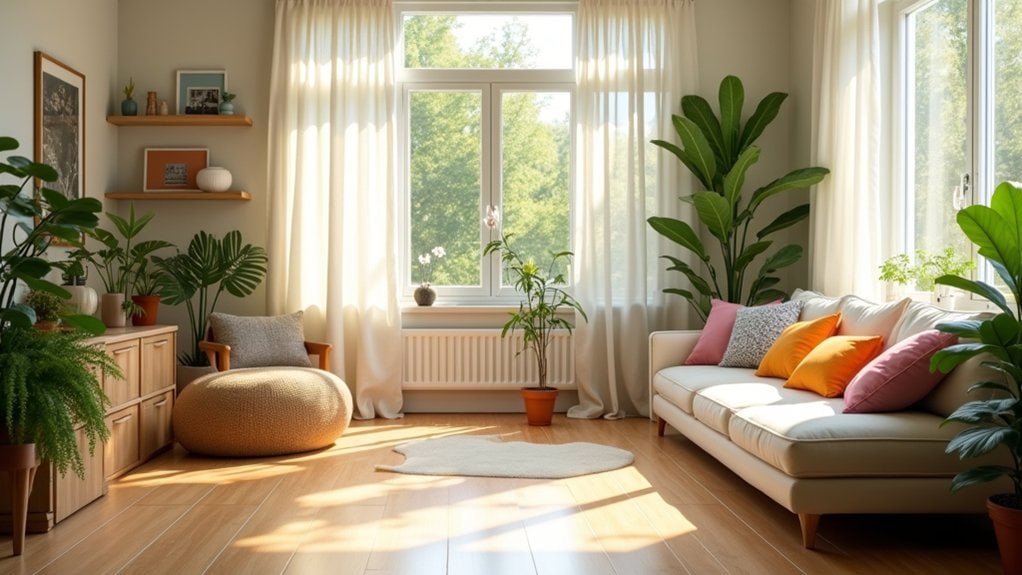
Sometimes a piece just needs a little attention, not a replacement. Try giving that old lamp or wooden side table a proper cleaning and polish—you’d be surprised how different something looks when it’s not covered in dust and fingerprints. And if it still feels a little flat after that, swapping in a new shade, some fresh hardware, or even just styling it differently can make it feel like something you actually bought recently.
Cleaning and Polishing Techniques
Before you toss that tarnished candlestick or shove that dingy throw pillow into a donation bag, it’s worth asking whether a little cleaning might actually save it.
Start simple. Seasonal dusting alone fixes more than you’d think. For surface care on wood or metal, mild eco friendly products often outperform harsh chemicals — and they’re gentler on finishes.
Fabric maintenance matters too. Stain removal works best when you catch it early, but even old stains respond to the right cleaning techniques. Check the care label first. Always.
Polishing methods vary by material, so don’t guess — look it up. Keep your organizing supplies together so you’re not hunting for the right brush or cloth every single time. That friction is what makes you give up too fast.
Updating With New Accents
Once you’ve cleaned and polished what you already own, you might realize some of those pieces are actually worth keeping — they just need something new around them.
Try introducing accent layers that follow current color trends without overwhelming what’s already there. A few natural elements — dried branches, linen, raw wood — can shift the whole feel of a shelf or table.
Seasonal motifs work well when you keep them minimal. Minimalist touches honestly tend to land better than bold statements, unless you’ve got one real statement piece that can carry the room.
Think about texture combinations too. A smooth ceramic next to something woven? That contrast does a lot.
You don’t need to replace everything. Sometimes you just need to rearrange what’s already yours.
Signs a Decor Item Has Genuinely Run Its Course
Sometimes you hold onto a piece simply out of habit, not because you actually love it anymore—and that’s worth noticing. If you can’t remember the last time it caught your eye, or if it feels like it belongs in a different version of your home, that’s a real signal. And honestly, visible damage or wear that you’ve been ignoring is probably the clearest sign that it’s just done.
Emotional Connection Has Faded
There’s a difference between keeping something because you love it and keeping something because getting rid of it feels like too much effort.
Nostalgic attachments can blur that line. You held onto that framed print because it meant something once. But does it still?
Seasonal influences shift your taste over time — what felt right three years ago might just feel like background noise now. That’s okay. Tastes change.
Ask yourself: do you actually notice that piece anymore, or do you just… not notice it?
If you can’t remember the last time it genuinely made you feel something, that’s worth paying attention to. Not every item deserves a permanent spot just because removing it feels like a decision you’re not ready to make.
Style No Longer Fits
Emotional detachment is one thing, but sometimes the issue is simpler — the piece just doesn’t match who you are anymore.
Style evolution happens gradually, and you don’t always notice until something looks genuinely out of place. That bold accent chair made sense before your lifestyle changes shifted your whole aesthetic. Now it creates an aesthetic mismatch you can’t ignore.
Personal growth changes your color preferences too. What felt bold and thrilling three apartments ago might feel exhausting now.
Nostalgic attachments can blur your judgment here. Ask yourself honestly — do you actually like this piece, or are you keeping it because letting go feels weird?
Trend shifts fade, functional changes happen, and your space should reflect where you are now, not where you were.
Visible Wear and Damage
Wear and damage are probably the most straightforward reasons to let something go, yet a lot of people still hesitate.
Faded colors, chips, cracks, scratches — these aren’t just cosmetic. They shift the whole feel of a room. And if something has functional damage, like a lamp that flickers or a shelf that leans, you’re really just keeping a problem around.
Before you hold on, run a quick cost analysis. Can you actually repair it affordably, or does fixing it cost more than replacing it? Repair options exist, but they’re not always practical.
Sentimental clutter is real, too. You might love the memory attached to something even when the object itself is worn out. That’s worth noticing.
Does keeping it still make sense, or are you just avoiding the decision?
What to Do With Decor You’re Ready to Let Go
Once you’ve decided a piece isn’t working for you anymore, the next question is what actually happens to it.
Don’t just toss it. Explore donation options first — local charities often accept home goods in decent condition. If something carries sentimental value but you genuinely can’t display it, photograph it and pass it on.
Got items with resale potential? Marketplace apps make that pretty easy now.
For damaged pieces, think about upcycling ideas before defaulting to the trash. A chipped frame could become something else entirely. Recycling decor materials is worth looking into, especially for metal or glass.
Your broader decluttering strategies matter here too. Eco friendly disposal isn’t complicated — it just takes a few extra minutes of thought. Is that really so hard?
Spring Decor Swaps That Actually Make a Difference
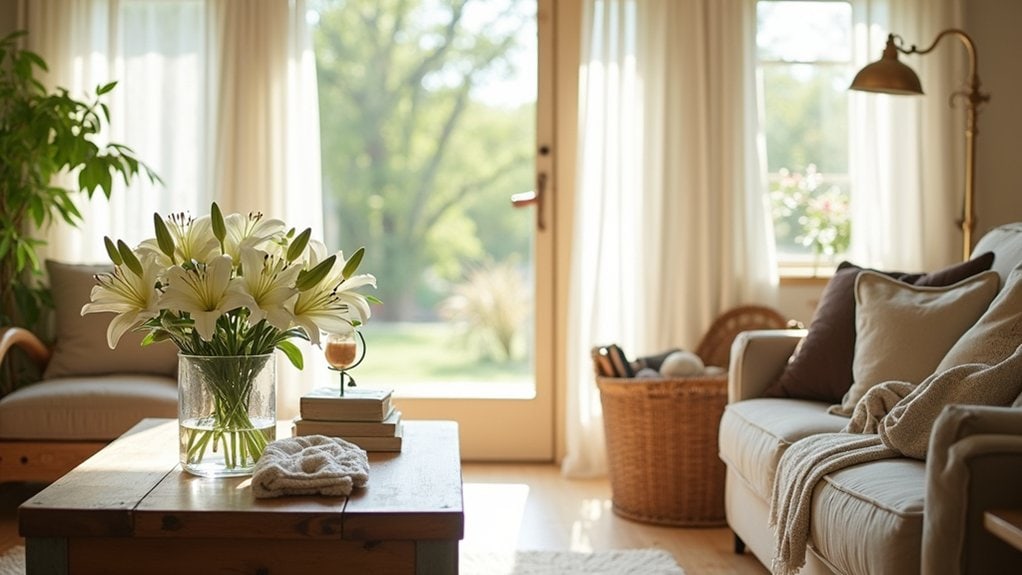
Now that you’ve cleared out what wasn’t working, you’ve actually got something more valuable than just empty space — you’ve got a blank slate to make some intentional swaps.
Seasonal swaps don’t have to cost much. Budget-friendly updates like swapping throw pillow covers or adding texture additions through a woven blanket can shift a room’s whole feel. Consider your color palette — are you leaning warmer or cooler this spring?
DIY accents work surprisingly well here. A painted vase, some dried stems. Simple stuff.
Impactful changes sometimes come from a minimalistic approach — removing things rather than adding. Functional decor pulls double duty, which matters.
Statement pieces are worth it occasionally, but don’t overthink it. And if you can make sustainable choices along the way, even better.
How to Make Smarter Decor Choices So You Don’t End Up Here Again
Mindful sourcing starts with a simple pause. Do you actually have a spot for this? Does it work with what you already own?
Intentional purchasing means buying less, but buying better. Instead of grabbing something because it’s on sale or looks cute in the store, ask yourself if you’d still want it in six months.
Keep a rough mental list of what your space actually needs. Not a mood board fantasy — real gaps.
And honestly? Sometimes you won’t get it right. You’ll buy the wrong thing again. But slowing down the decision even slightly tends to cut down on the regret.
Frequently Asked Questions
Can Seasonal Decor Trends Affect My Home’s Resale Value?
Yes, seasonal impact on décor can influence your home’s resale value. You’ll attract more buyers by using smart resale strategies—keeping timeless pieces while letting go of overly trendy décor that might turn potential buyers away.
How Do I Store Decor Pieces I’m Not Ready to Decide On?
Use decor storage solutions like labeled boxes or bins for temporary decor holding. You’ll want to store pieces in a dry, accessible spot so you can revisit them later when you’re ready to decide.
Should Children Be Involved in Decluttering Their Own Room Decor?
Yes, you should involve your kids! Child involvement teaches decision-making and responsibility. They’ll experience real decluttering benefits by choosing what stays or goes, making them feel valued and more likely to maintain their organized space.
Is It Worth Hiring a Professional Organizer for Decor Editing?
Hiring a professional organizer is absolutely worth it! They’ll offer expert professional advice tailored to your space, helping you master decor organization effectively. You’ll save time, reduce stress, and make confident decisions about what truly belongs in your home.
How Often Should I Realistically Be Refreshing My Home Decor?
You should refresh your decor seasonally — about four times yearly. Plan a decor rotation that corresponds with your budget considerations, swapping small accents often while saving bigger updates for annual or biannual investments to keep costs manageable.
Final Thoughts
Spring cleaning your decor isn’t really about getting it perfect.
It’s more about being honest with yourself — what actually works in your space, what you’re keeping out of guilt, and what you’ve just stopped noticing.
You don’t have to overhaul everything. Even small, deliberate choices add up.
So what’s one thing you could let go of today that you won’t even miss next week?