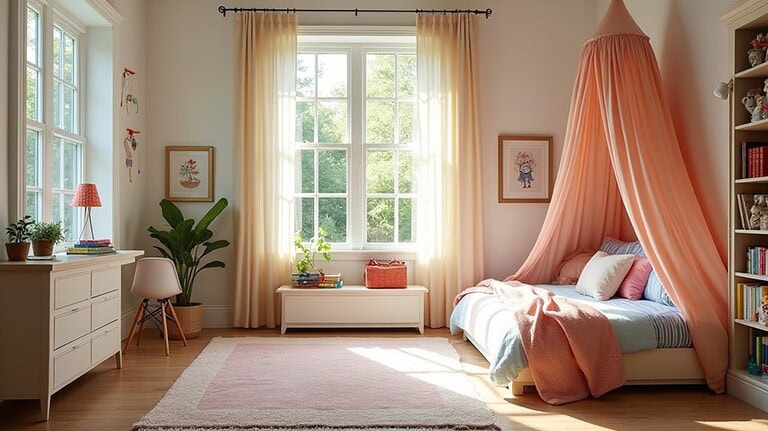
Your kid’s room won’t stay “the toddler phase” forever, and that’s actually the problem most parents don’t think about until they’re already repainting walls. You buy what works now, and then suddenly it doesn’t. So how do you set up a space that doesn’t need a complete overhaul every few years? There’s a smarter way to approach this, and it starts with some decisions you’re probably not making first.
The Essentials
- Start with neutral base colors like soft whites or warm beiges, then layer in easily swappable decor like removable decals and colorful bedding.
- Invest in convertible, multifunctional furniture such as adjustable desks and beds that transition from toddler to full size over time.
- Choose timeless color palettes like muted greens or dusty blues, avoiding rigid themes that children will quickly outgrow.
- Refresh the room affordably by swapping throw pillows, rugs, or wall art rather than committing to costly, permanent renovations.
- Check in annually to assess whether the room still reflects your child’s evolving interests, identity, and functional needs.
Start With a Neutral Base You Can Build On
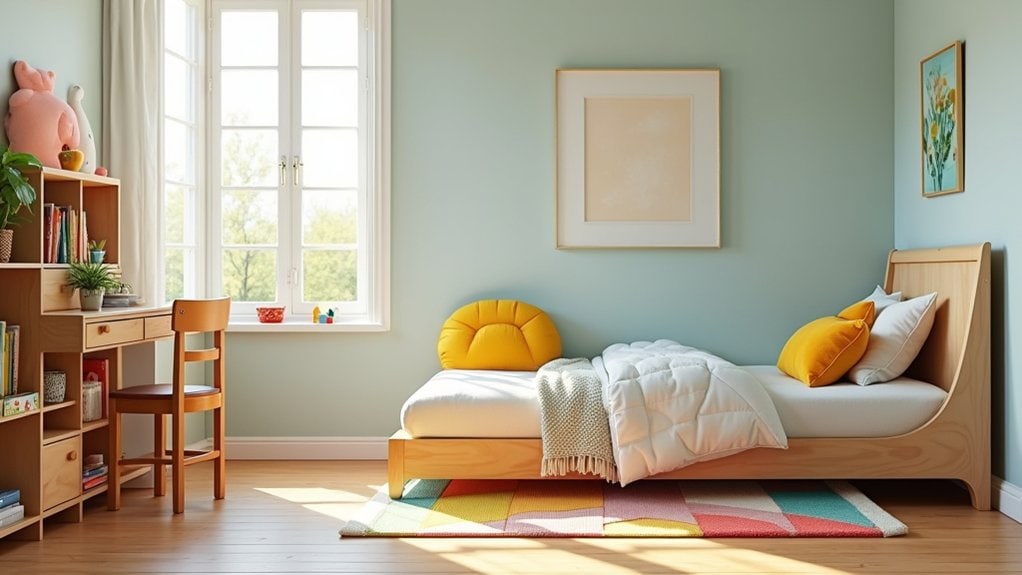
When you’re setting up a kids’ room, the temptation to go all-in on a theme right away is real. Dinosaurs, outer space, fairies—it all feels thrilling in the moment. But kids change their minds fast, and repainting an entire room gets old quickly.
Starting with neutral color schemes gives you flexibility. Think soft whites, warm beiges, or gentle grays on the walls and larger furniture pieces. From there, you can layer in versatile decor—removable wall decals, colorful bedding, themed accessories—that’s easy to swap out as your child grows.
It’s worth asking yourself: what parts of this room need to last five years, and what can change seasonally? That thinking shapes smarter choices early on, before you’ve committed to something harder to undo.
When to Ask Yourself If the Room Still Works
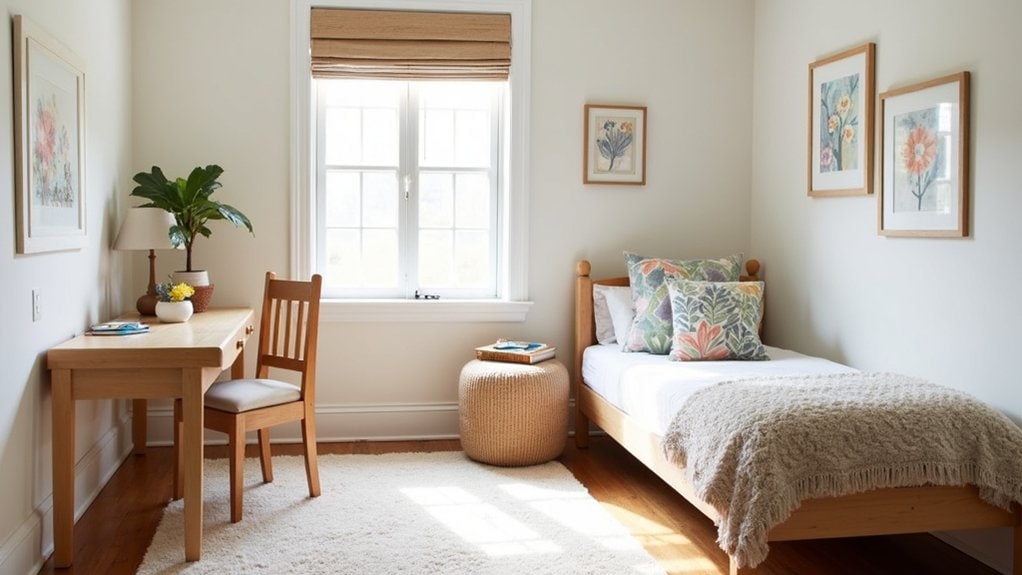
At some point, you’ll walk into the room and something just feels off—maybe it’s the cartoon characters they’ve stopped caring about, or the tiny desk they’ve outgrown. Ask yourself honestly: does this space still fit who they actually are right now, not who they were two years ago? Kids change faster than most people expect, and the room usually needs to catch up.
Signs of Outgrown Space
How do you even know it’s time for a change?
Sometimes the growth indicators are obvious. Your kid trips over toys meant for a five-year-old. The bookshelf holds board books they haven’t touched in years. Their friends come over and the room just feels… wrong somehow.
Other times, space limitations creep up quietly. The desk is too small for actual homework. There’s nowhere to hang out comfortably. You keep reorganizing the same stuff hoping it’ll suddenly work better.
Ask your kid directly. They’ll tell you.
Watch how they actually use the room, not how you imagined they would. Are they spending time in there, or avoiding it? That says a lot.
You don’t need a full overhaul to realize something’s off.
Changing Needs Over Time
Kids change fast, and the room that worked perfectly two years ago might already feel like it belongs to a different kid. Developmental stages shift your child’s needs in ways that aren’t always obvious until something feels off.
Ask yourself honestly—does the room still reflect who they actually are right now? Not who they were at five, but who they’re becoming.
Evolving interests matter more than you might think. A kid who loved dinosaurs at four might be deep into art or gaming by eight. That’s a real shift, not just a preference.
You don’t need to redesign everything. But checking in every year or so helps you catch the moments when the space quietly stops fitting the kid living in it.
Time for a Refresh
There are a few moments that tend to sneak up on you—the drawer that never gets opened anymore, the bookshelf still full of picture books your kid hasn’t touched in two years, or the bed that’s suddenly too small.
Those are your signals.
You don’t need to overhaul everything at once. Sometimes it’s just swapping out playful accents that no longer feel right for your kid’s age. Sometimes it’s rethinking creative storage because what worked at five doesn’t work at nine.
Ask yourself: does this room actually reflect who your kid is right now?
If you’re hesitating on that answer, the room probably needs attention. Start small. Notice what’s getting ignored. That’s usually where the refresh needs to begin.
Choose Kids’ Room Furniture That Adapts as They Age
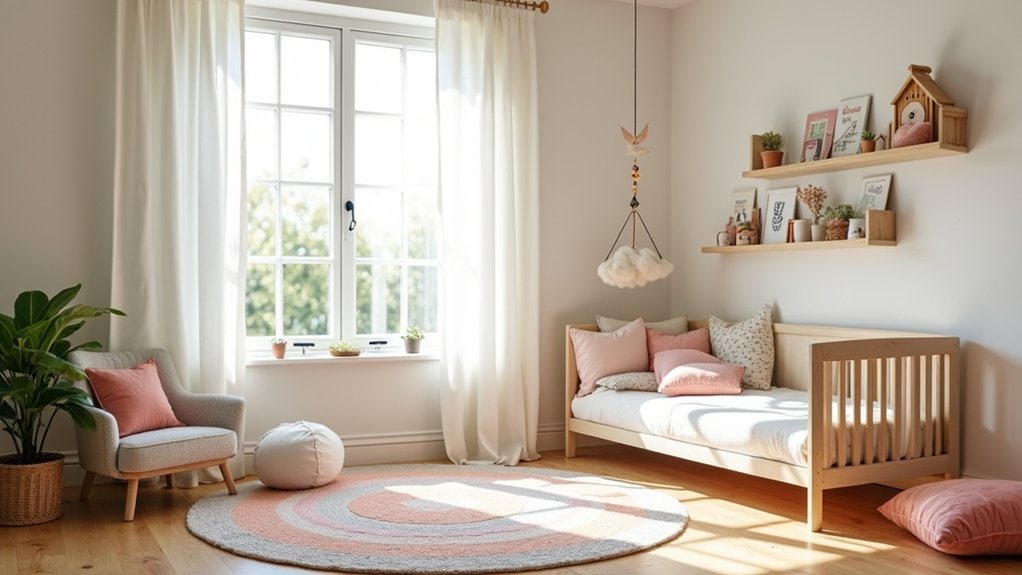
When you’re buying furniture for a kid’s room, it’s worth thinking past the next year or two. Kids change fast, and replacing everything every few years gets expensive.
A few pieces that actually hold up over time:
- Convertible beds that shift from toddler to twin to full as your child grows
- Multifunctional desks with adjustable heights so they work for a 6-year-old doing crafts and a 12-year-old doing homework
- Storage that’s flexible enough to hold toys now and books or gear later
The real question is whether the furniture can keep up with who your kid is becoming. Not just physically, but in how they use the space. That’s the part most people don’t think about until it’s too late.
Storage That Still Makes Sense at Every Stage
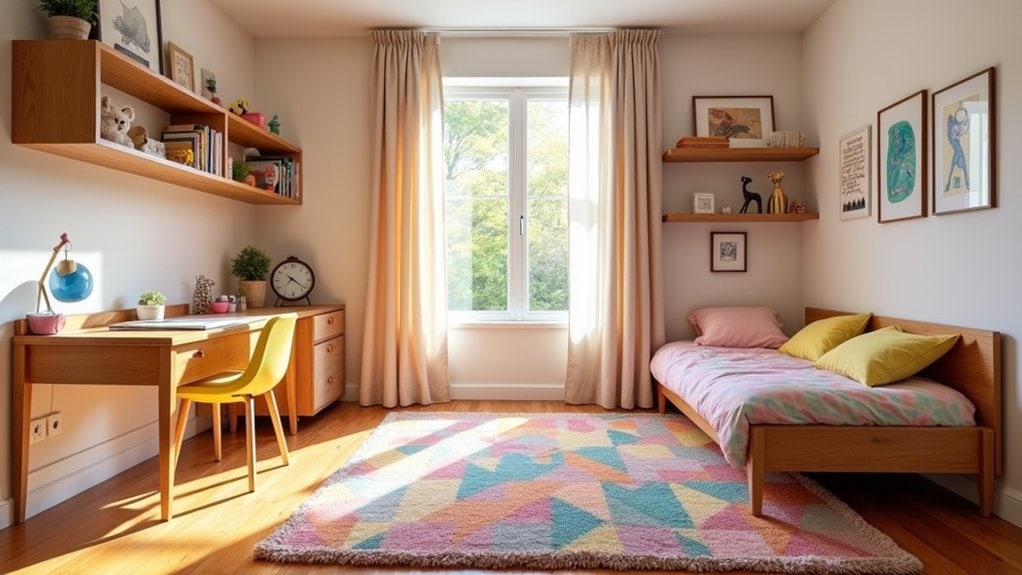
Storage is one of those things that seems simple until you realize what worked at age four is completely useless by age nine. Toy bins don’t cut it when your kid suddenly has textbooks, hobby supplies, and clothes they actually care about.
Think about storage solutions that don’t lock you into one phase. Open shelving works at almost every age—you just change what sits on it. Multifunctional furniture like ottomans with hidden compartments or beds with built-in drawers pull double duty without taking extra space.
Ask yourself: what does your kid actually need to access daily right now?
That answer changes. So your storage should too. Don’t overbuy for the current stage. Leave room—literally—for what’s coming next.
Color Palettes and Themes That Actually Age Well
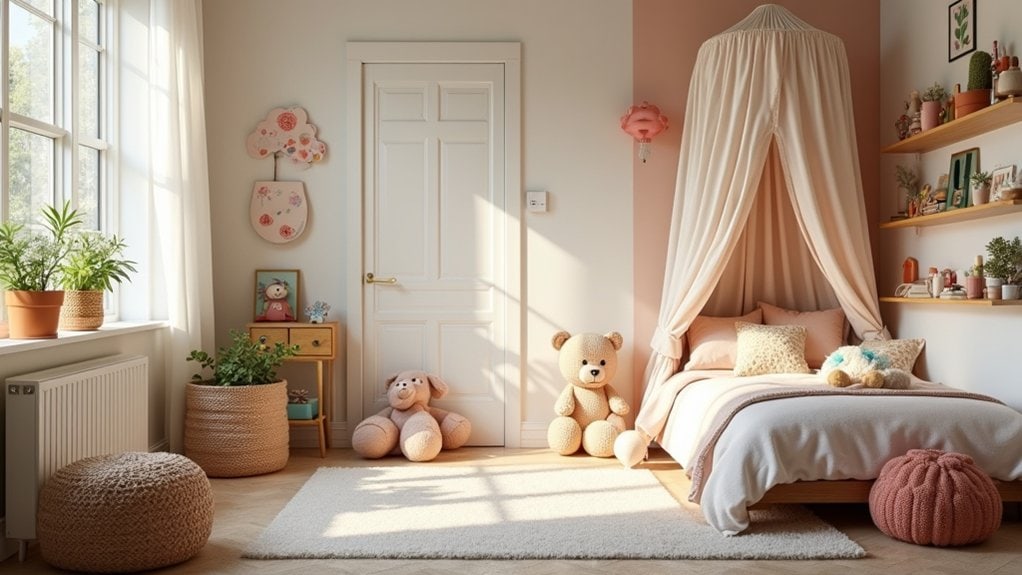
When you’re picking colors for a kids’ room, it’s worth thinking past the “toddler phase” because repainting every few years gets old fast. Soft neutrals, warm whites, or muted earth tones tend to hold up better as kids grow—and they’re easier to build on with accessories or accent pieces you can swap out. Themes work the same way, honestly—something like a nature-inspired or adventure-style room feels a lot less limiting than, say, a single cartoon character your kid might outgrow by next Tuesday.
Timeless Color Choices
Choosing a color palette that’ll still feel right five or even ten years from now is honestly one of the trickier parts of designing a kids’ room. Color psychology actually plays a bigger role than most people realize — certain timeless hues just tend to hold up better as kids grow.
A few directions worth considering:
- Soft whites and warm creams — versatile, calm, and easy to build around at any age
- Muted greens or sage tones — grounded without feeling babyish
- Dusty blues or soft terracottas — neutral enough to feel mature later
The real question is whether you’re decorating for the kid they are now or the one they’re becoming. That tension is worth sitting with before you commit to anything.
Flexible Theme Ideas
Once you’ve landed on a color direction, the next piece is figuring out a theme — or honestly, whether you even need one.
Themes can be tricky. A full-on dinosaur room sounds fun at four, but what about at nine? Kids change fast, and that’s kind of the whole problem.
Instead of committing hard to one concept, think looser. Go for playful patterns — stripes, geometric shapes, abstract prints — things that feel youthful without screaming “toddler.”
Then layer in adaptable accessories. Swappable throw pillows, removable wall decals, a print or two. These carry the personality without being permanent.
So ask yourself: is this theme something *your kid* loves, or something you love for them right now?
That distinction actually matters more than people realize.
Easy-to-Swap Decor That Adds Personality Without Locking You In
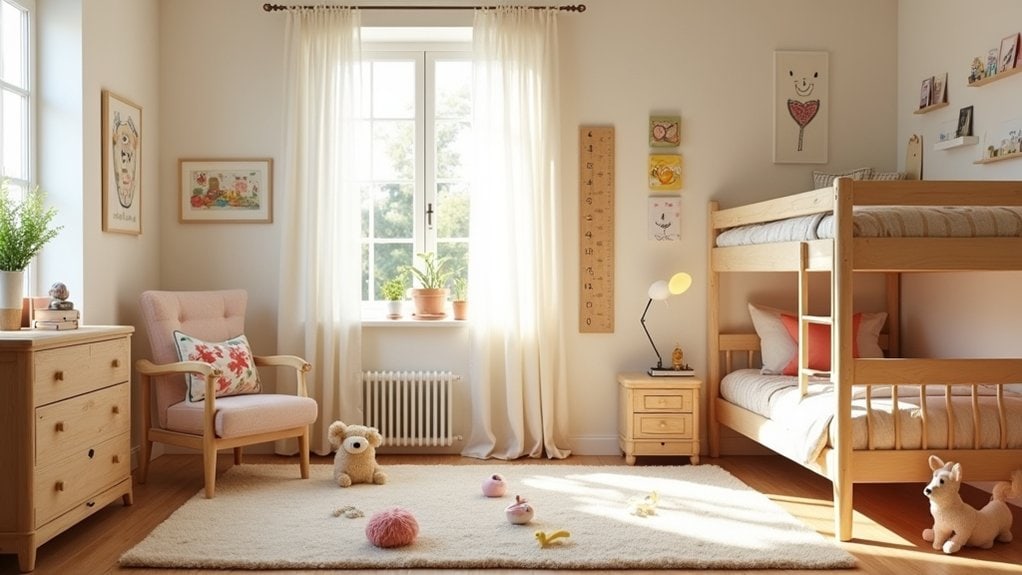
Kids change fast—what they’re obsessed with one year might feel embarrassing to them the next. So instead of committing to a full themed room, lean on easy-to-swap pieces that still feel personal.
Here’s where to start:
- Wall art and decor accents — Frames, removable prints, and family photos let you refresh the walls without repainting.
- Playful textiles — Swap out pillowcases, rugs, or curtains for seasonal changes or just a new mood.
- Interactive elements and DIY projects — A chalkboard wall or a small display shelf gives your kid a place to add their own personal touches.
None of these lock you in. And honestly, letting your kid rotate what’s on display? That might matter more than any decor choice you make.
Lighting Your Kids’ Room for Every Age and Need
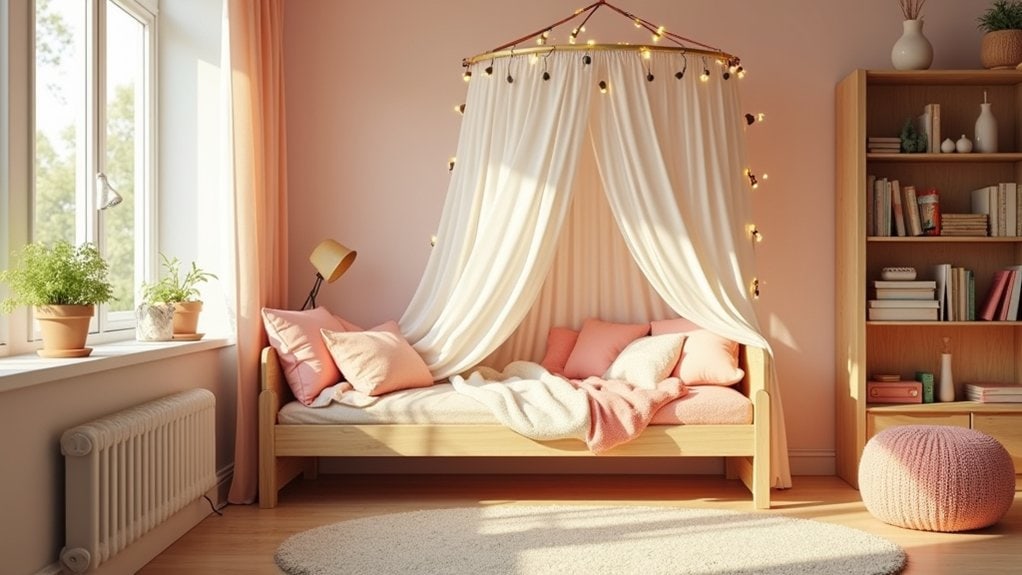
Lighting is one of those things you probably don’t think about until something’s off—your kid’s straining to read in dim light, or the overhead fixture is so harsh it feels like an interrogation room.
Start with solid ambient lighting as your base. Then layer in task lighting near the desk or reading nook—adjustable brightness matters more than you’d think as homework gets harder.
Dimmable options are genuinely useful here. A toddler needs soft light at bedtime, but a ten-year-old needs real brightness for projects.
Accent lighting can highlight a shelf or artwork without overwhelming the space. Playful fixtures work great young, but consider whether age-appropriate designs will still feel right in five years.
Energy conservation is worth factoring in too—kids leave lights on. Always.
Budget-Friendly Ways to Refresh the Room as They Grow
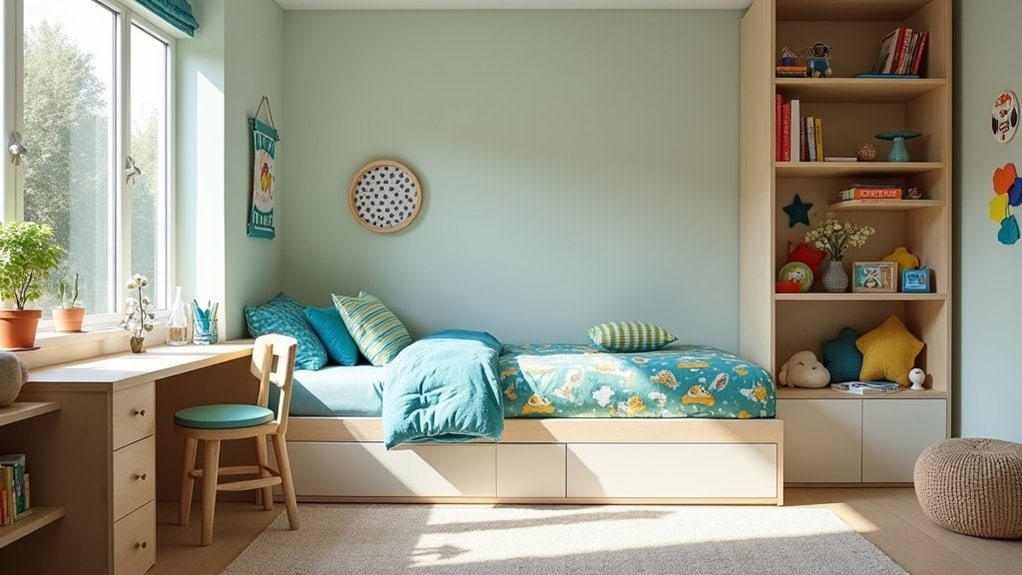
As kids grow, the room that felt perfect two years ago can start feeling off—too babyish, too cramped, or just kind of wrong in ways that are hard to pin down.
You don’t need to gut the whole room. Small shifts can do a lot.
- Swap out playful accents like throw pillows, rugs, or wall art—these are cheap and easy to change without repainting.
- Try seasonal updates to keep things feeling fresh without a full overhaul—new curtains in fall, a lighter bedspread in summer.
- Involve your kid. Ask what bothers them most. Sometimes it’s one thing.
Honestly, you might be overthinking it. Start small, see what actually changes the feel, and go from there.
Frequently Asked Questions
How Do I Involve My Child in the Room Design Process?
Ask your child about their color preferences and let them pick a palette they love. You’ll also want to involve them in choosing storage solutions, making the process fun and ensuring they’ll actually use the space.
Are There Safety Certifications I Should Look for in Kids’ Furniture?
Look for ASTM and CPSC safety standards when shopping for kids’ furniture. You’ll want to check that furniture materials are free of toxic chemicals, and certifications like GREENGUARD Gold guarantee they’ve passed rigorous safety testing.
How Do Shared Sibling Rooms Affect Long-Term Design Decisions?
Sibling interactions shape every design flexibility choice you’ll make. You’ve got to prioritize smart space planning, giving each child dedicated zones for personal expression while choosing adaptable furniture that easily accommodates shifting needs, ages, and personalities over time.
What Age Should Children Start Having Input on Their Room?
You should start including your child’s input around age 3-4, when they begin expressing age preferences and personal interests. Encouraging their choices early helps you create a space they’ll genuinely love and feel ownership over.
Can Room Design Actually Impact a Child’s Academic Performance?
Yes, room design can impact your child’s academic performance! You’ll boost learning by applying color psychology, creating dedicated learning zones, using motivational decor, managing distraction factors, and maintaining spatial organization to craft an effective academic environment.
Final Thoughts
You don’t have to get it perfect the first time. A kids’ room will need tweaking — that’s just how it goes. Start with what makes sense now, keep things flexible, and adjust as your child changes. Some choices will work longer than you’d expect. Others won’t last a year. That’s okay. The goal isn’t a flawless room. It’s a space that actually works for the kid living in it.