Have you ever noticed how your mood shifts when you walk into different rooms of your home? That’s not just coincidence. The colors surrounding you, the way sunlight filters through your windows, even how your furniture is arranged—all these elements quietly influence how you feel each day. Your home isn’t just a physical space; it’s a psychological environment that shapes your emotions, productivity, and overall well-being. What parts of your living space might be subtly affecting your mental state right now?
The Essentials
- Natural light exposure regulates circadian rhythms, improving mood, energy levels, and cognitive function throughout the day.
- Color choices significantly impact emotions—warm tones energize spaces while cool colors create calming environments that reduce stress.
- Clutter impairs focus and increases anxiety, while organized spaces promote mental clarity and reduce psychological stress.
- Personalized elements and meaningful objects reinforce identity, create belonging, and enhance the restorative qualities of home environments.
- Thoughtful transitional spaces with visual cues provide mental breathing room and help process shifts between different activities and mindsets.
The Science Behind Environmental Psychology
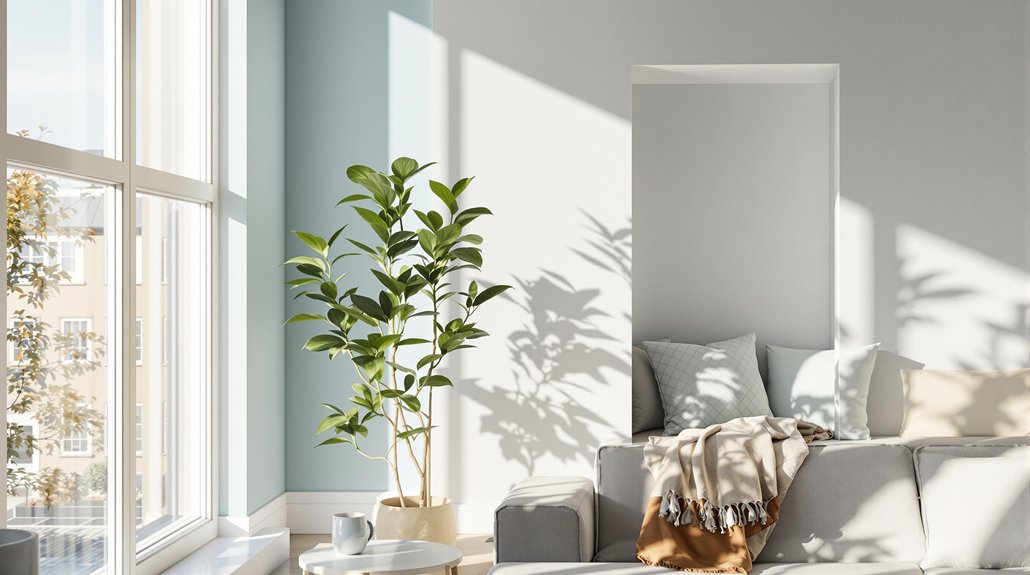
While most people instinctively know when a space feels “right,” environmental psychology reveals there’s actual science behind these feelings. Your brain is constantly processing your surroundings, even when you’re not aware of it.
The psychological effects of your home design directly impact your mood, stress levels, and even cognitive function. That cozy reading nook isn’t just nice to have—it actually triggers your brain to release feel-good chemicals that reduce anxiety.
What’s fascinating is how specific design choices can dramatically shift your emotional state. The height of your ceilings, the amount of natural light, even the spacing between furniture—all these elements are being processed by your brain, creating subtle but real responses.
You don’t need to be an expert to apply this science. Just pay attention to how different spaces make you feel.
Color Theory and Emotional Responses

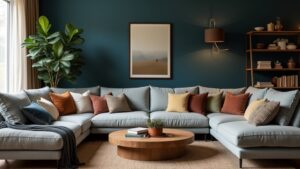
One of the most powerful tools in environmental psychology happens to be something we experience every day: color. The impact of color psychology on your mental well-being isn’t just theoretical—it’s something you feel whenever you walk into a room.
Notice how you react differently to spaces painted in warm colors versus cool ones. A bright red wall might energize you while a soft blue creates a calming color effect that lowers your blood pressure and stress levels.
Your emotional responses to colors are deeply personal too. That peaceful sage green in your bedroom might feel perfect to you but slightly depressing to someone else. This is why understanding your own reactions matters when designing your home. What colors make you feel safe? Which ones help you focus?
Natural Light and Circadian Rhythm Regulation
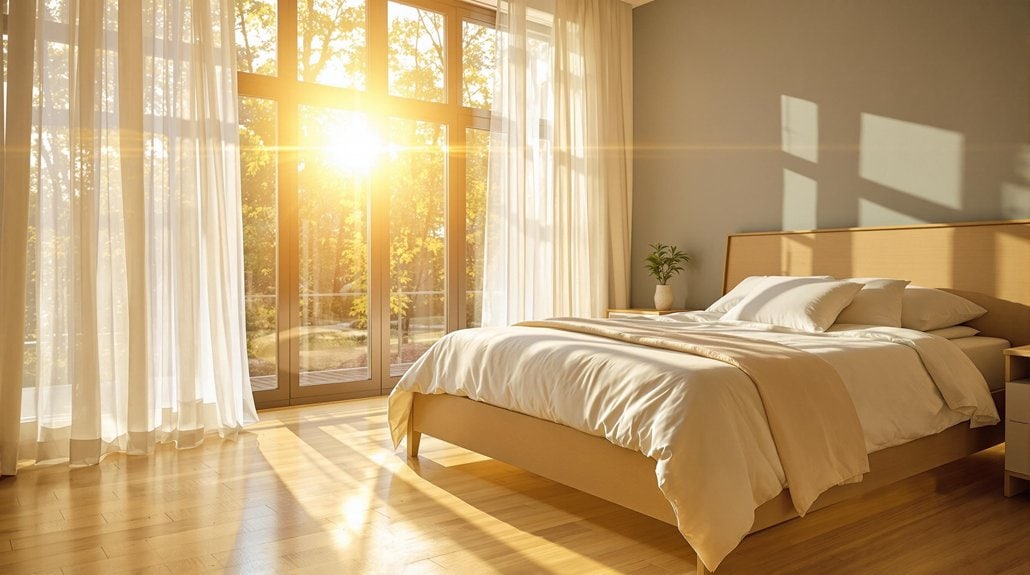
As the sun streams through your windows each morning, it does much more than simply illuminate your living space. It’s actually regulating your body’s internal clock—your circadian rhythm—which governs when you feel alert or sleepy.
You might notice you’re more productive in rooms with abundant natural light. That’s no coincidence. Your brain responds to daylight by reducing melatonin and increasing serotonin, directly impacting your mental well-being.
When you’re stuck in spaces with minimal windows or poor exposure, you’ll likely experience more than just literal darkness. Many people report feeling more lethargic, sometimes even developing symptoms similar to seasonal depression.
Try positioning your desk near a window or using sheer curtains instead of heavy drapes. Even small changes to enhance natural light can profoundly affect your mood, energy, and overall health.
Spatial Arrangement and Mental Flow
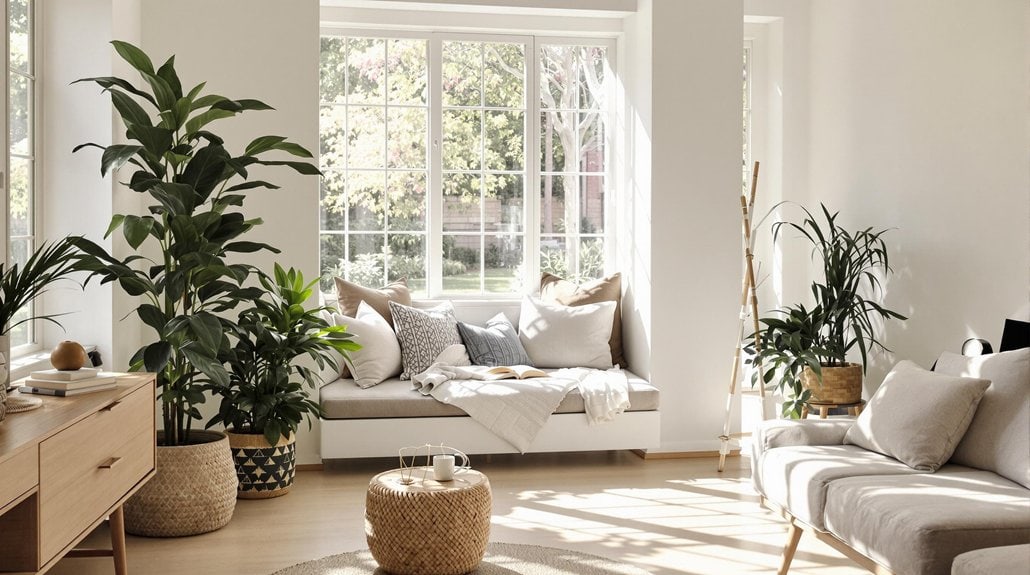
Beyond natural light, the way you arrange your living space creates invisible pathways that either support or hinder your mental flow. When furniture placement feels intuitive, you’ll notice how easily you move through your home without thinking about it. That’s not just convenience—it’s a psychological impact that affects your daily mindset.
Consider how you feel in cluttered spaces versus organized ones. That coffee table that’s always in your way? It’s actually disrupting your thought patterns, not just your path to the couch.
Try arranging furniture to create natural walking paths. Position your desk where you can see the door but aren’t directly in line with it. These small spatial adjustments might seem trivial, but they’re quietly shaping how calm or frustrated you feel in your own home.
Biophilic Design: Nature’s Impact on Well-being
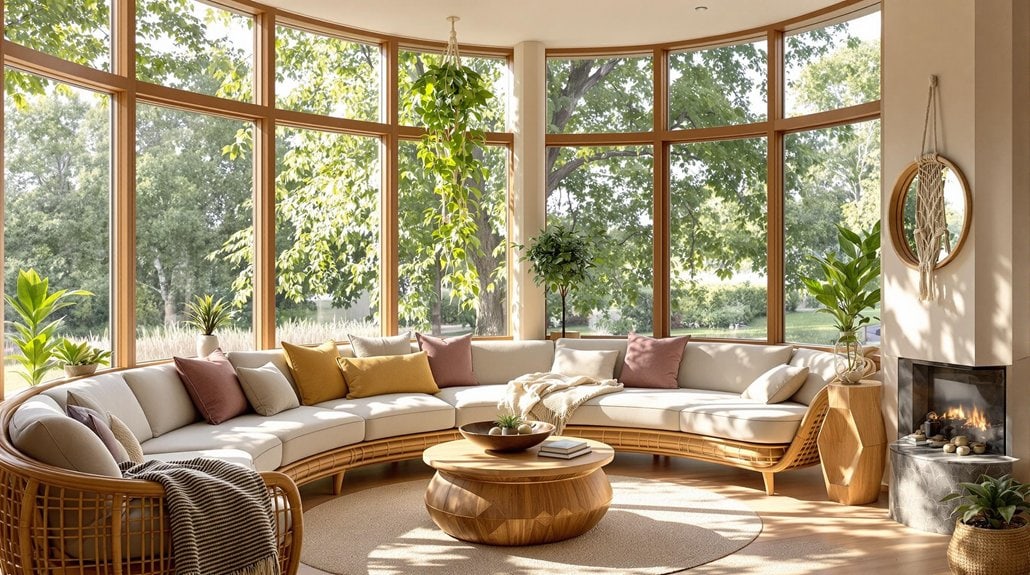
While modern living often disconnects us from the outdoors, bringing natural elements into your home can transform your psychological well-being in surprising ways. Biophilic design—the practice of incorporating nature into living spaces—taps into our innate connection with nature, providing tangible mental health benefits.
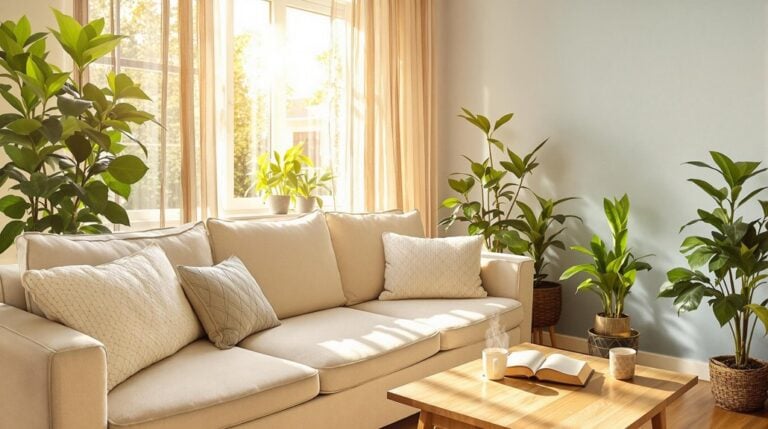
You’ll notice how indoor plants don’t just improve air quality but actually reduce stress levels and boost your mood. Natural light affects your circadian rhythm and can alleviate symptoms of depression. Even materials like wood and stone create a subtle feeling of groundedness.
Try placing a small plant near your desk, or rearrange furniture to enhance window views. Could you add a natural wood accent piece to your living room? These simple changes create environments that feel more alive and supportive of your emotional health—something we all need in our increasingly digital worlds.
Clutter and Cognitive Processing
Just as natural elements revitalize your space, the absence of clutter can clear your mind. Research consistently shows that cluttered spaces greatly impair your cognitive function – you’ll find it harder to focus, process information, and make decisions when surrounded by mess. Creating an organized space isn’t about perfect minimalism; it’s about giving your brain room to breathe.
- Start with “prime real estate” first – clear off countertops and surfaces you see immediately when entering a room
- Dedicate 10 minutes daily to putting things back where they belong rather than tackling organization as a massive project
- Create simple systems that make maintaining order easier than creating chaos
You’ll likely notice improved concentration and reduced stress almost immediately when your environment shifts from chaotic to controlled. Your brain craves order, even if you consider yourself a creative type.
Sound Design: Acoustic Influences on Mood
How often have you noticed your mood shift when you enter a noisy restaurant versus a quiet library? The acoustic environment in your home plays an essential role in your daily mental well-being, yet it’s often overlooked in design plans.
Noise pollution doesn’t just irritate you—it can actually increase stress levels and heart rate over time. Consider how different rooms serve different purposes: your bedroom needs acoustic treatments that promote rest, while your home office might benefit from sound-absorbing materials to improve focus.
You can improve your home’s sound design with simple changes like adding soft furnishings, using area rugs on hard floors, or installing acoustic panels. Even the gentle bubbling of a small fountain can mask unwanted noise and create a more peaceful environment.
Personalized Spaces and Identity Formation
When you enter a space that truly feels like your own, there’s an immediate sense of belonging that’s hard to replicate elsewhere. Your home becomes an extension of your identity when you actively shape it according to your needs and preferences. Design principles work best when they’re adapted to reflect who you are, not just what’s trending.
Creating personalized spaces directly impacts your emotional well-being by:
- Giving you control over your environment, which reduces stress and anxiety
- Allowing meaningful objects to tell your story and reinforce your sense of self
- Creating comfort zones that support your unique routines and habits
You’ll notice how rooms that genuinely reflect your personality tend to feel more restorative. What parts of your current living space truly represent who you are?
Cultural Dimensions of Home Design
The design of our living spaces reflects more than just personal taste—it embodies the cultural influences that shape our understanding of comfort, beauty, and functionality. Your cultural background deeply affects how you organize your home and what elements you prioritize for emotional health.
In some cultures, you’ll find open floor plans that encourage family gatherings, while others value private, compartmentalized spaces. These differences aren’t just aesthetic—they impact your mental wellbeing daily. The colors you’re drawn to, the materials you prefer, even how you arrange furniture often stem from cultural dimensions of home design you might not consciously recognize.
When you understand these cultural influences, you can make more intentional choices about your living environment. What cultural elements have you unknowingly incorporated into your home? How might they be affecting your mood?
Transitional Spaces and Psychological Boundaries
Transformative spaces within your home—like hallways, entryways, and staircases—serve as more than just physical connectors between rooms; they create essential psychological boundaries that impact your mental wellbeing. These transitional areas help your brain process the shift from one activity to another, giving you mental breathing room. When designed thoughtfully, they can reduce stress and improve your emotional well-being.
- Add visual cues like changing wall colors or floor materials to signal changes between spaces
- Incorporate moments of pause—a small bench, artwork, or plant—that prompt you to reset mentally
- Control lighting in these areas to create a gradual shift between rooms with different functions
Your psychological responses to these in-between spaces matter. They’re where you decompress, prepare for what’s next, or leave behind the day’s stresses.
Therapeutic Design Elements for Anxiety Reduction
Moving beyond the structure of your home, let’s consider how specific design elements can actually serve as therapeutic tools for managing anxiety.
When you’re feeling overwhelmed, your surroundings matter more than you might realize. Therapeutic design elements like soft textures and rounded furniture edges can create a calming environment that signals safety to your brain. You’ll notice your shoulders drop when you walk into a room with natural materials, gentle lighting, and a clutter-free layout.
Try introducing elements that engage multiple senses—a soft throw blanket, the subtle scent of lavender, or the gentle sound of a small water feature. These seemingly small additions can dramatically improve mental health outcomes over time.
Wondering where to start? Consider the space where you spend your mornings or wind down at night. These transitional periods often benefit most from anxiety-reducing design choices.
The Social Architecture of Shared Living
When sharing your living space with others, whether family members or roommates, you’re participating in a complex social ecosystem that affects everyone’s mental well-being. Creating natural environments within shared spaces helps everyone feel more connected and less stressed. Think about how your common areas can foster positive interactions while still respecting privacy needs.
- Design conversation-friendly seating arrangements that don’t force interaction but make it easy and comfortable when desired
- Establish clear boundaries for personal vs. shared spaces to maintain emotional health and prevent conflict
- Create a positive atmosphere through jointly selected decor elements that reflect everyone’s preferences
You’ll notice that when your shared space supports both togetherness and independence, the home becomes more than just a place to live—it transforms into a nurturing social environment that supports everyone’s needs.
Mindful Design Practices for Everyday Wellness
Although we often think about home design regarding aesthetics, the choices you make in your living space can profoundly affect your daily mental well-being. Emotional interior design isn’t just about looking good—it’s about creating environments that support your psychological health.
Consider how natural light affects your mood throughout the day. Does your workspace face a window? Are you getting enough exposure to regulate your circadian rhythm? Maybe try rearranging furniture to enhance daylight.
Creating a calming atmosphere means being intentional about color choices too. Cool blues and neutral tones can lower stress levels, while cluttered spaces often trigger anxiety.
Mindful home design incorporates elements of nature—plants, natural materials, organic textures—that reconnect you with the outside world. What small change might you make today that would bring more peace to your everyday environment?
Frequently Asked Questions
How Do Smart Home Technologies Affect Psychological Well-Being?
Smart home technologies can improve your psychological well-being by reducing stress, enhancing comfort, and providing a sense of security. Nevertheless, they’ll also create anxiety if they’re overly complex or constantly malfunctioning.
Can Home Design Help Manage Specific Mental Health Conditions Like PTSD?
Yes, you can design spaces to help manage PTSD by incorporating calming colors, natural light, organized layouts, and quiet zones. These elements reduce triggers, create feelings of security, and support your healing process.
How Does Design Impact Children’s Development Differently Than Adults?
Children’s developing brains are more sensitive to design elements. You’ll notice they need more engaging colors, flexible spaces for exploration, and organized environments. Unlike adults, their cognitive abilities and emotional regulation are still forming through environmental interactions.
What Budget-Friendly Design Changes Deliver the Biggest Mood Benefits?
You’ll get the biggest mood benefits from adding plants, maximizing natural light, decluttering spaces, incorporating blue or green accents, and using warm lighting. These budget-friendly changes greatly impact your mental well-being.
How Does Home Design Influence Intimate Relationships and Family Dynamics?
Your home’s design shapes how you connect with loved ones. Shared spaces with comfortable furniture encourage interaction, while personal spaces provide necessary privacy. Natural light and calming colors reduce tension in family relationships.
Final Thoughts
Your home isn’t just where you live—it’s how you feel. By tweaking colors, letting in sunlight, or rearranging furniture, you’re actually designing your daily emotional experience.
Think about it: what space makes you breathe easier? Maybe it’s that corner with plants, or the kitchen where everyone gathers.
Small changes add up. Adjust your environment, and you might just find you’ve adjusted your mind too.