
After a stressful day at work, I noticed how quickly my tension melted away when I stepped into my friend’s newly redesigned bedroom. The soft blue walls, gentle lighting, and absence of clutter created an immediate sense of calm. You might not realize how deeply your bedroom environment affects your sleep quality and emotional well-being. Your bedroom isn’t just a place to crash—it’s potentially your most powerful healing space. What small changes could transform your room from just a sleeping area into a true sanctuary?
The Essentials
- Create a sleep-friendly environment with optimal temperature (65°F), quality air, minimal noise, and limited blue light exposure.
- Choose calming wall colors like soft blues, greens, or warm neutrals paired with dimmable, warm lighting.
- Declutter daily and incorporate 2-3 meaningful personal items that evoke positive emotions.
- Select breathable bedding, regularly replace pillows, and adjust seasonal elements like light exposure and layering options.
- Design your bedroom as a personalized sanctuary that adapts to seasonal changes and promotes emotional well-being.
The Science Behind Sleep Sanctuaries
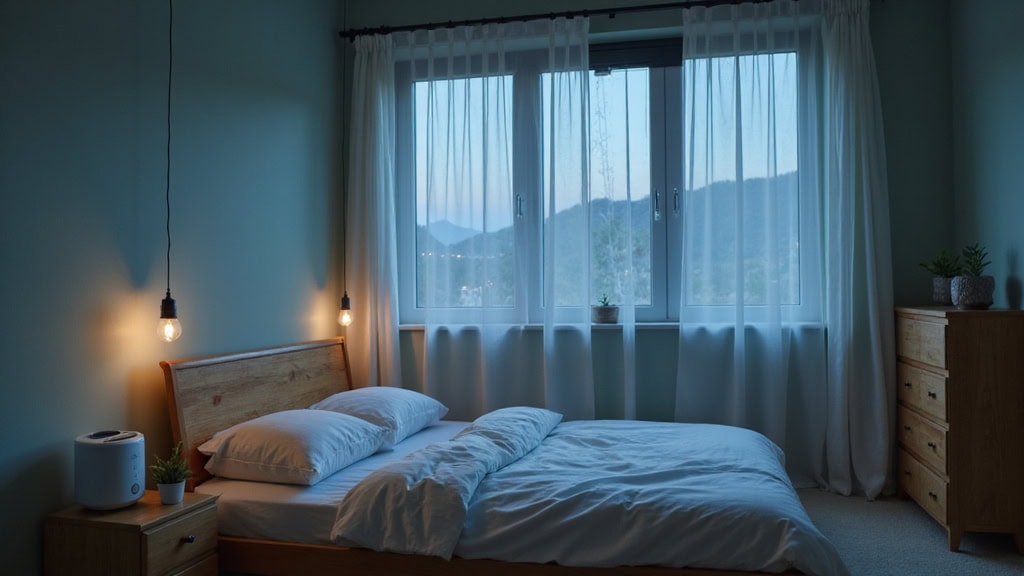
While we often think of bedrooms as simply places to sleep, extensive research has shown they’re actually complex environments that can dramatically impact your sleep quality.
Your body navigates through distinct stages of sleep each night, from light drowsiness to deep restorative sleep. The right sleep environment supports this natural rhythm. Temperature matters—cooler rooms (around 65°F) actually promote melatonin release, the hormone that regulates your sleep cycle.
Light plays a crucial role too. You’ve probably noticed how even small amounts of blue light from devices can keep you awake. That’s because your brain interprets it as daytime, disrupting your natural sleep signals.
What about noise? Even sounds you don’t consciously register can pull you from deeper sleep stages into lighter ones. Maybe you’ve woken feeling tired despite sleeping eight hours?
Color Psychology for Relaxation and Recovery
When you first consider repainting your bedroom, color might seem like a purely aesthetic choice, but it’s actually much more powerful than that. Color psychology teaches us that our brains respond differently to various hues, affecting everything from our mood to our sleep quality.
For truly restorative sleep environments, focus on these color schemes:
- Soft blues and greens – These naturally soothing colors lower blood pressure and heart rate, making them ideal for primary bedroom walls
- Gentle lavenders – They promote relaxation without the potential coldness of blues
- Warm neutrals – Beiges and soft tans create a cozy feeling without the stimulation that comes from warmer colors
- Dusty pinks – A surprising choice that can be calming when used in muted, desaturated tones
Lighting Design for Circadian Rhythm Support
Just as your body needs the right colors to feel at ease, your internal clock relies heavily on lighting cues throughout the day. The type of lighting in your bedroom directly impacts your production of melatonin, the hormone that helps you fall asleep.
Harsh overhead lighting can disrupt this natural process, especially in the evening hours when your body should be winding down. Instead, try using warm, dimmable lights that can be adjusted as the day progresses.
Light control is essential too. Consider blackout curtains or blinds that keep unwanted morning light from waking you before you’re ready. And maybe think about adding a sunrise alarm clock that gradually brightens your room—much gentler than being jolted awake by a blaring alarm. How does your bedroom lighting make you feel right now?
The Art of Decluttering for Mental Clarity
Your bedroom’s lighting setup creates the conditions for rest, but the physical objects surrounding you shape your mental landscape. Clutter isn’t just visually distracting—it represents unfinished projects and misplaced items that quietly tax your mind even when you’re not consciously thinking about them.
The gradual accumulation of items disrupts your sense of calm. Want to reclaim your space? Try these decluttering strategies:
- Start with a 10-minute daily decluttering habit rather than overwhelming yourself with a complete overhaul
- Ask “Does this belong in my rest space?” for each object
- Create designated homes for everyday items to prevent bedroom scattering
- Remove digital distractions—phones, tablets, and laptops—at least an hour before sleep
When your surroundings feel ordered, your mind can finally unwind and prepare for restorative sleep.
Natural Materials and Biophilic Elements
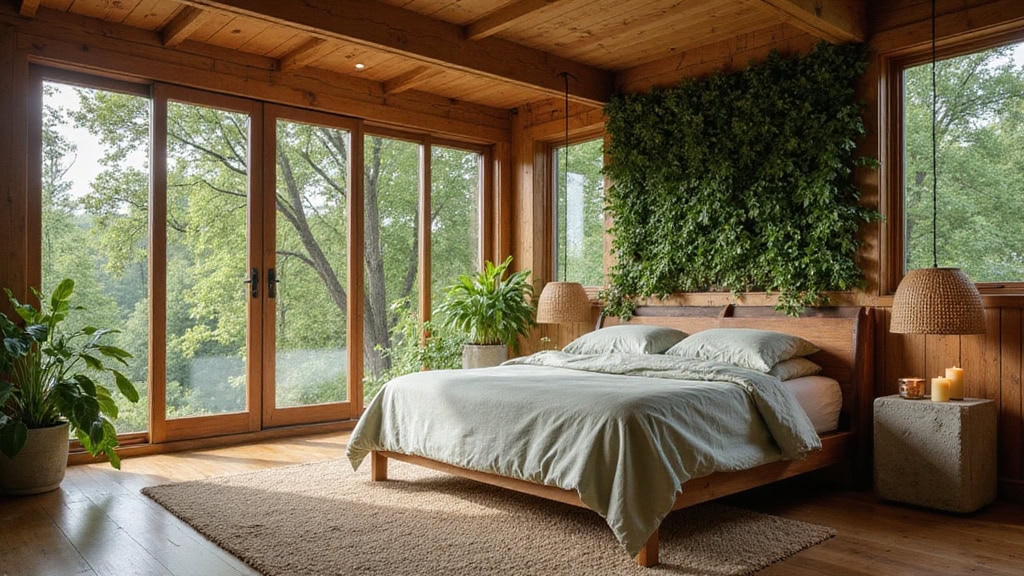
Nature quietly influences our wellbeing, even as we sleep. When creating a restful bedroom design, consider incorporating materials that connect you to the outdoors—wood furniture with visible grain, stone accents, or clay pottery that grounds the space.
You’ll find that a wellness bedroom layout works best when it includes living elements. Try adding a few low-maintenance plants like snake plants or pothos that purify air while you rest. Natural fabrics matter too—opt for linen, cotton, or wool bedding that breathes with your body throughout the night.
Healing bedroom ideas don’t need to be complicated. Sometimes it’s as simple as positioning your bed to catch morning light or adding a small tabletop fountain. What natural elements help you feel most at peace in your comfortable sleep environment?
Air Quality and Ventilation Essentials
How well do you actually breathe while you sleep? The air quality in your bedroom environment directly impacts your quality of sleep, yet it’s something many of us overlook. You spend roughly a third of your life in your bedroom—that’s a lot of breathing in one space.
Consider these air quality essentials for better rest:
- Install an air purifier with HEPA filtration to remove allergens, dust, and pollutants
- Maintain humidity between 30-50% with a humidifier or dehumidifier
- Open windows for 15 minutes daily to exchange stale air with fresh oxygen
- Add air-purifying plants like snake plants or peace lilies
Sound Engineering for Peaceful Rest
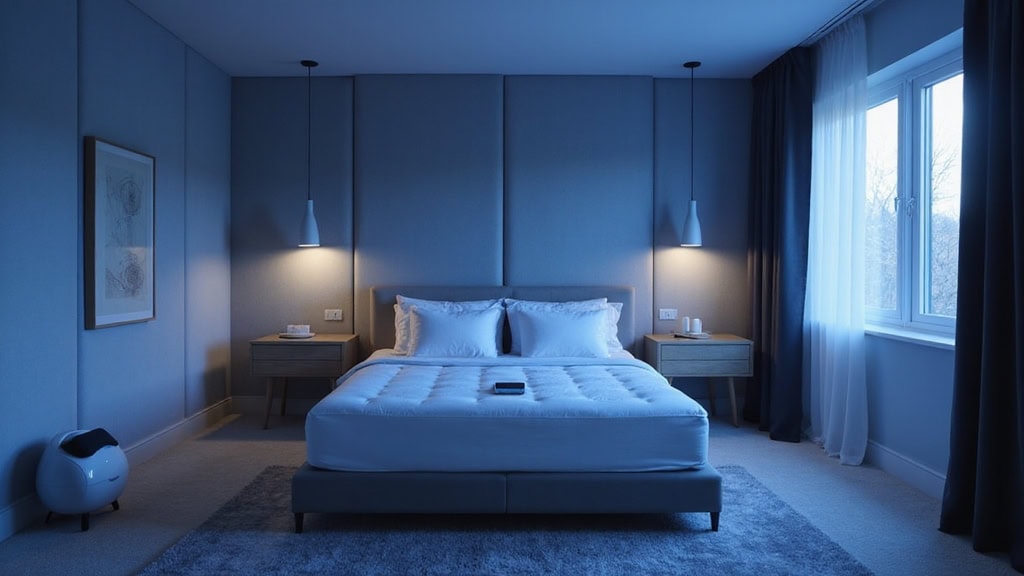
While we focus intensely on visual aesthetics in our bedrooms, sound may actually be the most crucial element affecting your sleep quality each night. Think about it—external noise from traffic, neighbors, or household members can disrupt your sleep without you fully realizing it.
You’ve got options to combat noise pollution. A white noise machine creates consistent ambient noise that masks disruptive sounds and signals to your brain that it’s time to rest. You might also try acoustic panels on walls, especially those facing busy streets.
Have you considered the surfaces in your room? Hard floors reflect sound, while rugs absorb it. Weather stripping around windows helps too.
Don’t overlook your electronics—that humming laptop or buzzing phone charger might be subtle sources of sleep-disrupting noise you haven’t noticed.
Bedding Selection for Optimal Comfort
Beyond controlling the sounds in your bedroom, what touches your body directly might matter even more for restful sleep. Your bedding creates the foundation for quality sleep, and it’s worth investing in materials that work with your body’s needs.
When selecting bedding for comfort, consider these key elements:
- Choose breathable cotton sheets with a thread count between 300-500 for the best balance of softness and durability
- Look for mattress pads that address your specific concerns—cooling gel if you sleep hot, memory foam if you need pressure relief
- Replace pillows every 1-2 years to maintain proper neck support
- Layer your bedding so you can adjust through the night as your body temperature changes
Have you felt the difference quality sheets make? Many people don’t realize how much their old bedding might be disrupting their rest.
Technology Boundaries and Digital Detox
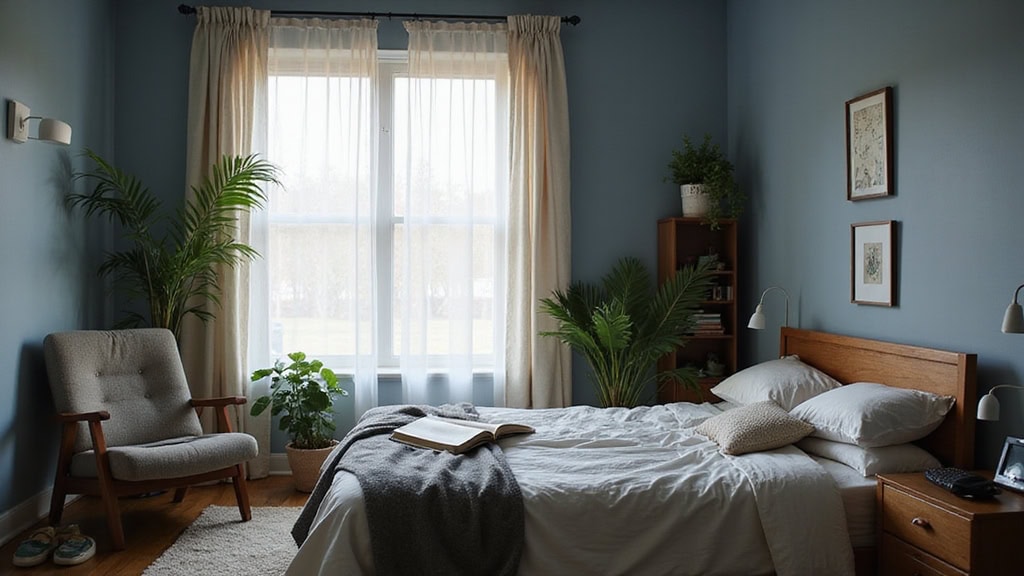
The modern bedroom has become a technological battleground where screens compete with sleep for your attention. You might not realize how deeply electronic devices disrupt your sleep hygiene until you’ve spent a week without them. Try establishing a digital curfew—maybe 30 minutes before bed?—when all screens go dark.
Create physical boundaries too. A charging station outside your bedroom eliminates the temptation to check “just one more thing” before sleep. Some people worry about losing their sense of security without a phone nearby, but consider this: what’s more secure than consistent, restorative sleep?
Replace screen time with calming alternatives. Reading an actual book, journaling, or simple breathing exercises signal to your body it’s time to rest. What could your evenings look like without the constant digital interruptions?
Personal Touches That Promote Healing
A truly restorative bedroom becomes deeply personal when you incorporate meaningful elements that speak to your emotional well-being. The most serene bedroom designs reflect who you are and what brings you comfort. Think about what helps you unwind at night and wake up refreshed.
Try these personal touches to enhance your restful sleep environment:
- Display 2-3 photos or artwork that trigger positive memories, but not so many that the space feels cluttered
- Add a single cherished item from your travels or childhood that brings you joy when you see it
- Incorporate a journal or meaningful book on your nightstand for pre-sleep reflection
- Select bedding in colors that resonate with you personally, not just what’s trendy in bedroom design
Seasonal Adjustments for Year-Round Restoration
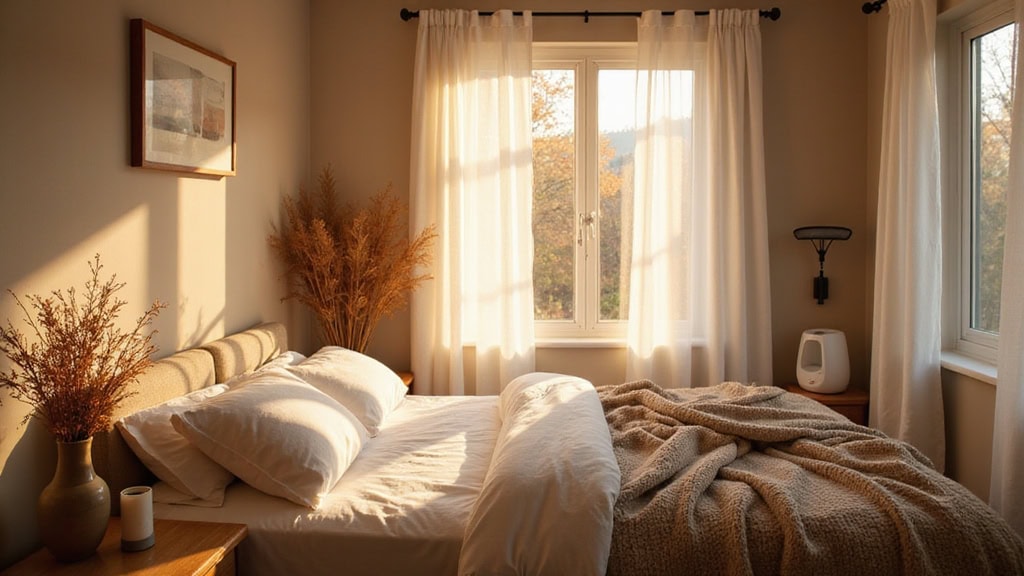
Seasonal changes affect your bedroom’s ability to function as a restorative haven, requiring thoughtful adjustments throughout the year. As days shorten in winter, you’ll need to maximize natural light exposure during waking hours to maintain your sleep cycle—maybe move your desk closer to windows or trim back outdoor foliage.
Summer brings its own challenges. You might install blackout curtains to prevent early sunrise from disrupting your rest. And what about temperature? Most sleep experts suggest keeping your bedroom between 65-68°F year-round, which means different approaches by season. In winter, layer bedding you can remove instead of cranking the heat. During summer, consider a fan or cooling mattress topper.
Ever notice how your sleep quality changes with the seasons? Small adjustments to your bedroom environment can help maintain ideal temperature and light balance regardless of what’s happening outside.
Frequently Asked Questions
How Much Should I Budget for a Full Bedroom Restoration Project?
You’ll need $3,000-$10,000 for a full bedroom restoration. Your budget should cover furniture, paint, flooring, lighting, and décor. Higher-end materials or custom elements will push you toward the upper range.
Can Restorative Bedroom Principles Work in Shared Sleeping Spaces?
Yes, restorative principles work wonderfully in shared spaces. You’ll need to compromise on color schemes, incorporate dual storage solutions, and create personal zones that reflect both occupants’ needs for true healing and rest.
How Do I Accommodate a Partner With Different Sleep Needs?
Like two stars sharing one sky, you’ll need compromises. Use sleep masks, white noise machines, and separate blankets. Consider zoned mattresses that accommodate different firmness preferences. Schedule temperature adjustments that satisfy both sleepers.
Which Restoration Elements Offer the Biggest Impact on Limited Budgets?
For limited budgets, invest in blackout curtains, a quality mattress topper, and soft lighting. You’ll get the biggest impact from elements that directly improve sleep quality without breaking the bank.
How Long Before Sleep Improvements Are Typically Noticed After Bedroom Changes?
You’ll typically notice sleep improvements within 1-2 weeks after making bedroom changes. Some people experience benefits in just days, while more significant transformations may take up to a month to fully realize.
Final Thoughts
Your bedroom isn’t just where you sleep—it’s where you rebuild yourself each night. By thoughtfully choosing colors, managing light, clearing clutter, and setting tech boundaries, you’re creating more than just a pretty space. You’re crafting your personal restoration station. Remember, small changes add up. Maybe start with just one area that feels most important to you. What healing element does your bedroom need most right now?