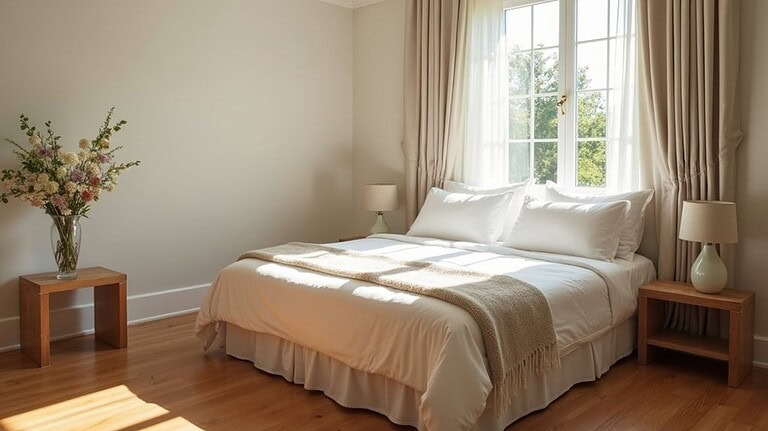
When someone stays in your home, you want them to feel comfortable—not like they’re sleeping in a storage room with a bed shoved in. But making a guest room actually welcoming takes more thought than just clean sheets and a spare pillow. What details do guests quietly notice? What makes them feel genuinely at ease versus just tolerated? The answers might surprise you.
The Essentials
- Layer bedding with fitted sheets, lighter blankets, and heavier duvets, giving guests full control over their comfort level.
- Use warm bulb temperatures (2700K–3000K) and multiple light sources, ensuring guests can control lighting from the bed.
- Provide empty dresser drawers, a luggage rack, and extra closet hangers so guests can comfortably unpack and settle in.
- Create a welcome basket with essentials like snacks, a charger, and a handwritten note including the WiFi password.
- Add personal touches like meaningful wall art, fresh flowers, and light scents to create a warm, inviting atmosphere.
Stock the Bed With Layers Guests Can Actually Adjust
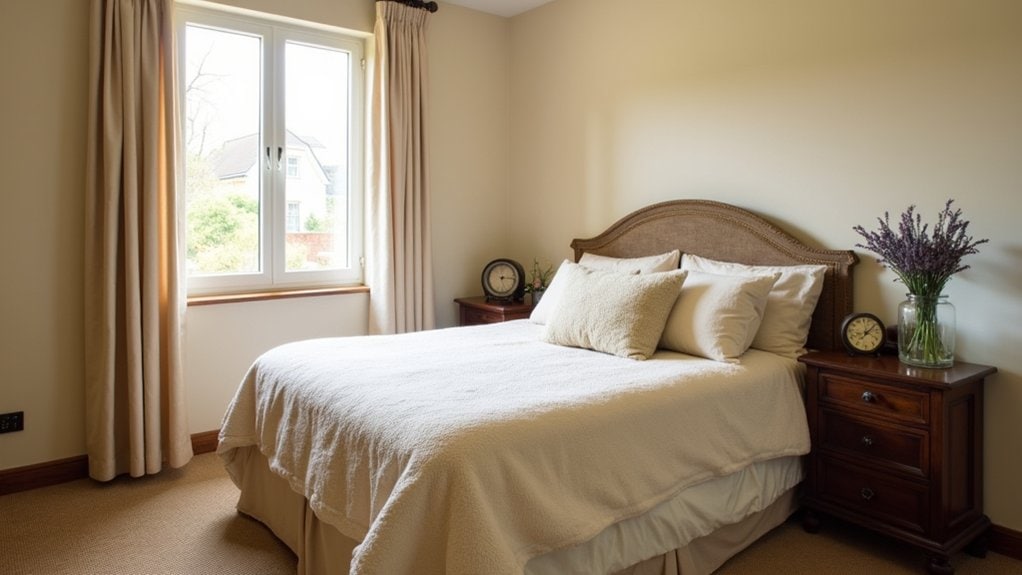
Temperature is one of those things that’s surprisingly hard to get right for guests, mostly because everyone runs differently.
Some people sleep hot. Others pile on every blanket they can find. You can’t really predict which type your guest is, so don’t try to.
Instead, build the bed with adjustable bedding they can actually work with. A fitted sheet, a lighter blanket, and a heavier duvet gives them real options. That’s the whole idea behind comfort layers — you’re not deciding for them, you’re letting them decide for themselves.
Think about it: have you ever stayed somewhere and couldn’t find an extra blanket?
Keep an additional throw visible, maybe folded at the foot of the bed. Accessible. Obvious. No hunting required.
Light Your Guest Room for Comfort, Not Just Ambiance
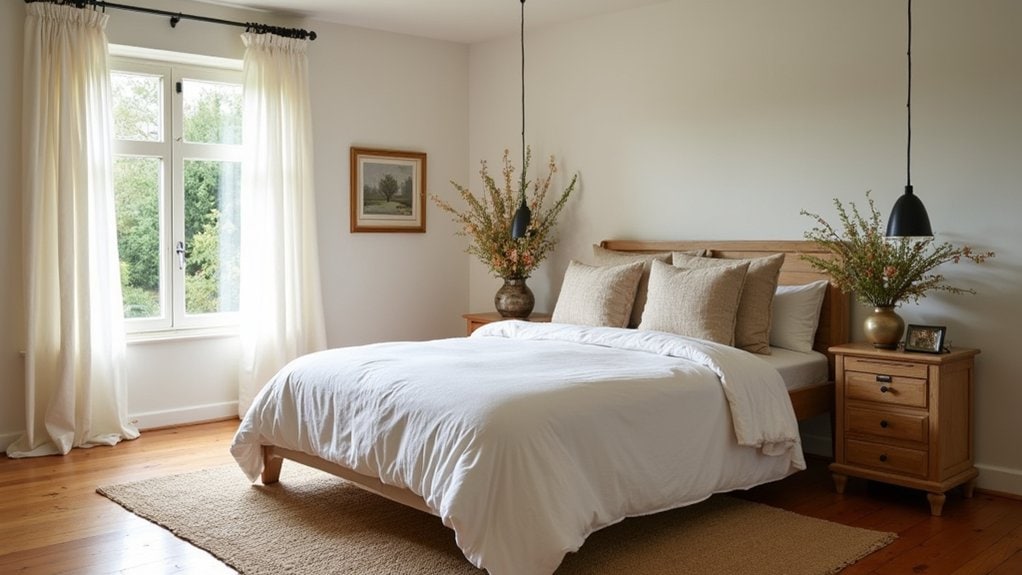
Lighting in a guest room does more work than most people realize—it’s not just about setting a mood, it’s about actually being useful. You’ll want to layer a few different light sources, like overhead lighting combined with a lamp or two at the bedside, so guests aren’t stuck squinting at a book under a single harsh ceiling fixture. Warmer bulb temperatures, somewhere around 2700K, tend to feel a lot more relaxing than the cool, bright tones you’d find in an office, and that small detail honestly makes a bigger difference than you’d expect.
Layering Light Sources Effectively
When it comes to guest room lighting, most people just throw a lamp in the corner and call it done — and honestly, that’s not enough.
Think about layering light sources instead. You want ambient lighting as your base — overhead or recessed lights that fill the room evenly. Then add a bedside lamp for reading. Maybe a small desk light too, depending on the space.
Layered textures in your decor actually interact with light in interesting ways. A linen throw or textured rug catches warm light differently than smooth surfaces do.
Ask yourself: can your guest control the light from the bed without getting up? That matters more than aesthetics.
You don’t need expensive fixtures. You need intentional placement and a few adjustable options working together.
Choosing Warm Bulb Temperatures
Now that you’ve sorted out where your lights go, the bulbs you put in them matter more than you might think.
Warm bulb types — anything around 2700K to 3000K — tend to make a room feel relaxed rather than clinical. Cool white bulbs work fine in kitchens, but in a guest room they can feel a little harsh, maybe even unwelcoming.
Think about your lighting placement too. A warm bulb in a bedside lamp hits differently than the same bulb overhead. Same temperature, different effect.
Have you ever stayed somewhere and just felt oddly tense without knowing why? Sometimes it’s the lighting.
Soft, warm light doesn’t fix a bad room, but it does make people feel less like they’re sleeping in an office.
Adding Bedside Reading Lamps
A bedside lamp might actually be the most practical thing in a guest room. Your guest might want to read at night without turning on overhead lights. That’s where lamp placement really matters.
Put a lamp on each nightstand if there are two sides to the bed. Even if you only expect one guest, having options feels considerate. Think about bedside decor too — a lamp that’s too tall or too short just feels awkward to use.
Does the switch feel easy to reach from a lying-down position? That detail gets overlooked more than you’d think.
Choose something with an adjustable brightness if you can. Not everyone reads at the same light level. It’s a small thing, but guests notice when it actually works well for them.
Give Guests Enough Storage to Actually Unpack
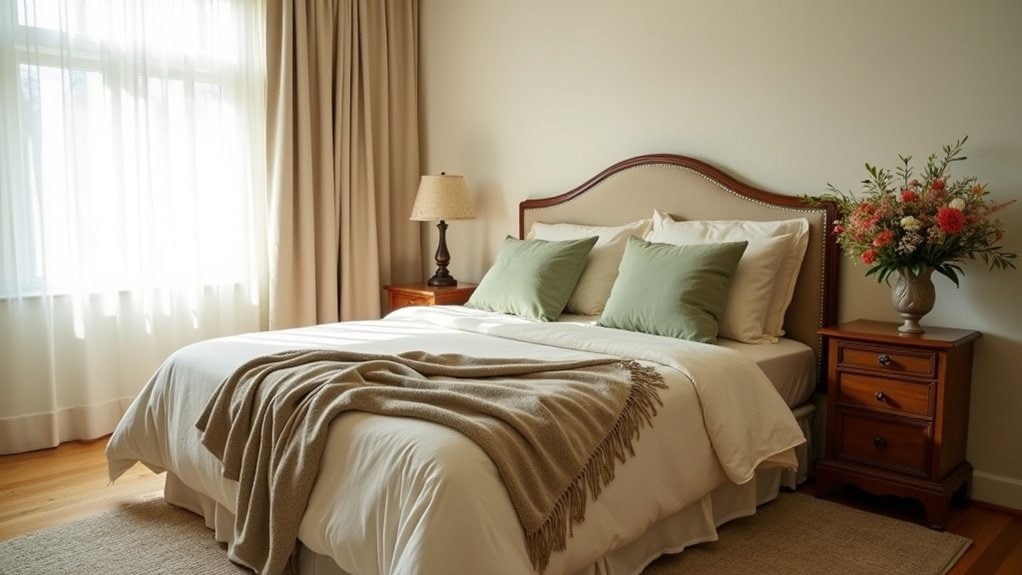
One thing guests really appreciate—even if they don’t say it—is having somewhere to actually put their stuff. Living out of a suitcase for three days isn’t fun. Good storage solutions make your guest room feel intentional, not just thrown together. Think about what unpacking essentials actually look like in practice.
Here are four things worth adding:
- A dresser with at least two empty drawers
- A few open hooks or a small luggage rack
- Extra hangers already in the closet
- A small shelf or nightstand surface for everyday items
You don’t need a huge room to pull this off. Even a corner with a rack and a few hooks does a lot. Does your guest room currently have any of these?
Amenities That Show Your Guest Room Was Made With Them in Mind
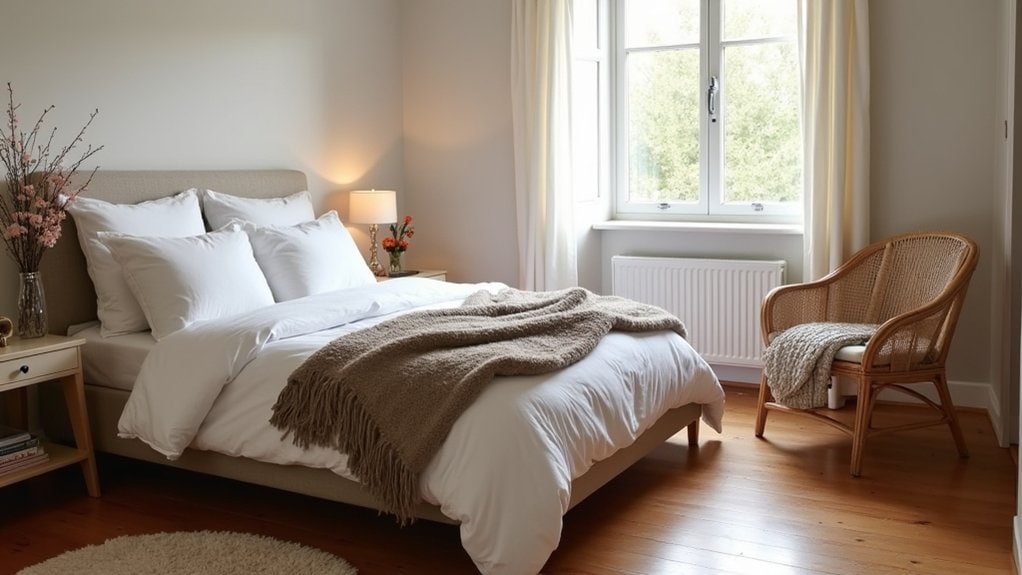
Storage gets people comfortable, but the small amenities are what make guests feel like you actually thought about them specifically.
Put together a simple welcome basket with things they might have forgotten — a travel toothbrush, some snacks, maybe a charger. Nothing extravagant. Just useful.
Thoughtful notes go further than you’d think. Leave a handwritten card explaining the WiFi password, where extra blankets are, or what time breakfast usually happens. It removes that awkward guessing.
Think about what you’d want if you were staying somewhere unfamiliar. A glass of water nearby. A lamp that’s easy to find at night. Do they have allergies? Maybe ask ahead.
It’s really about showing you considered them before they even arrived.
How to Keep Your Guest Room Feeling Cozy Without Cluttering It
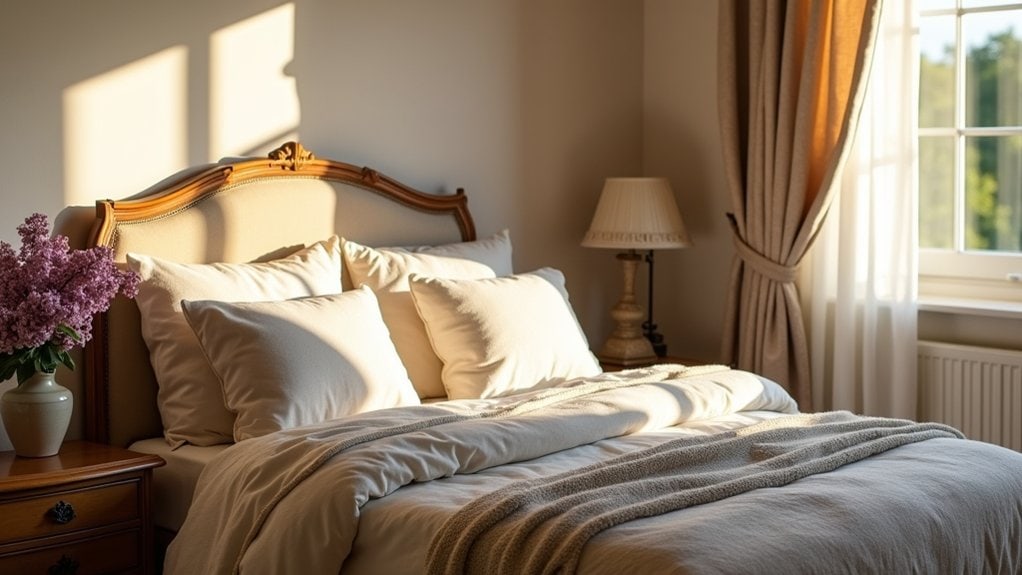
Cozy and cluttered can start to feel like the same thing if you’re not careful. You want warmth, but you don’t want your guest digging through throw pillows just to find the bed.
Stick to cozy textiles that actually serve a purpose—a soft blanket, maybe two pillows max. Minimalist decor works here because it lets the room breathe.
Ask yourself: does this item help my guest, or does it just fill space?
- Choose one focal textile, like a chunky knit throw
- Limit decorative objects to three or fewer
- Keep surfaces mostly clear
- Use storage that hides the extras
Less stuff doesn’t mean less comfort. It usually means more of it, honestly.
The Personal Touches That Make a Guest Room Feel Like More Than a Spare Room
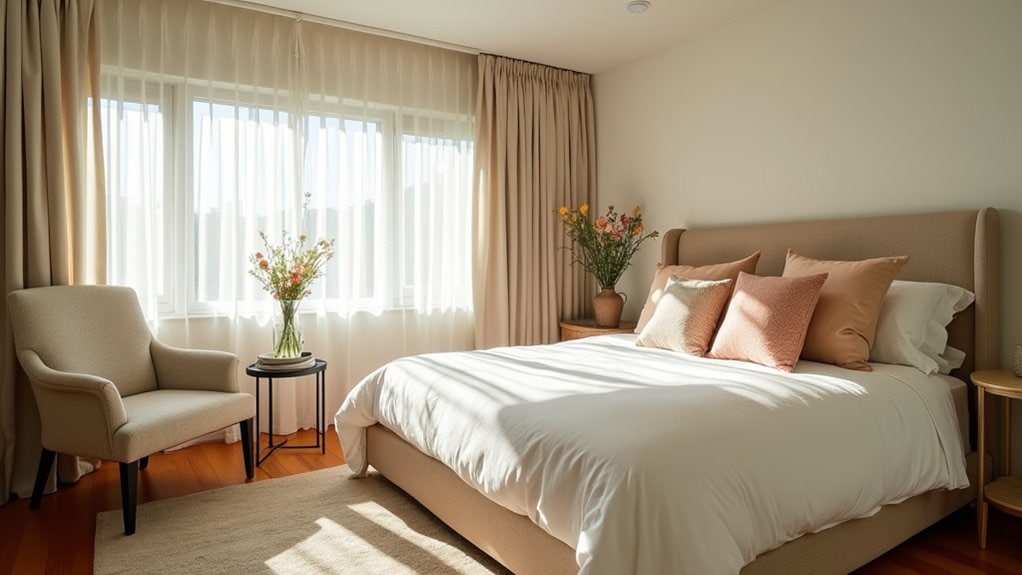
There’s a difference between a room that’s ready for guests and a room that actually feels ready for *them*.
Small things matter more than you’d think. A piece of wall art that reflects something your guest actually loves—not just filler décor—signals that you paid attention. Unique textiles, like a throw blanket in their favorite color, do the same thing quietly.
Thoughtful notes go a long way too. Leave a handwritten card with the WiFi password, or just a quick “make yourself at home” message. It’s simple, maybe even a little awkward to write, but guests notice.
Decorative accents don’t need to be elaborate. A small plant, a candle, one interesting object on the nightstand. You’re not decorating a showroom—you’re making someone feel considered.
How to Style a Guest Room That Feels Warm From the Moment They Walk In
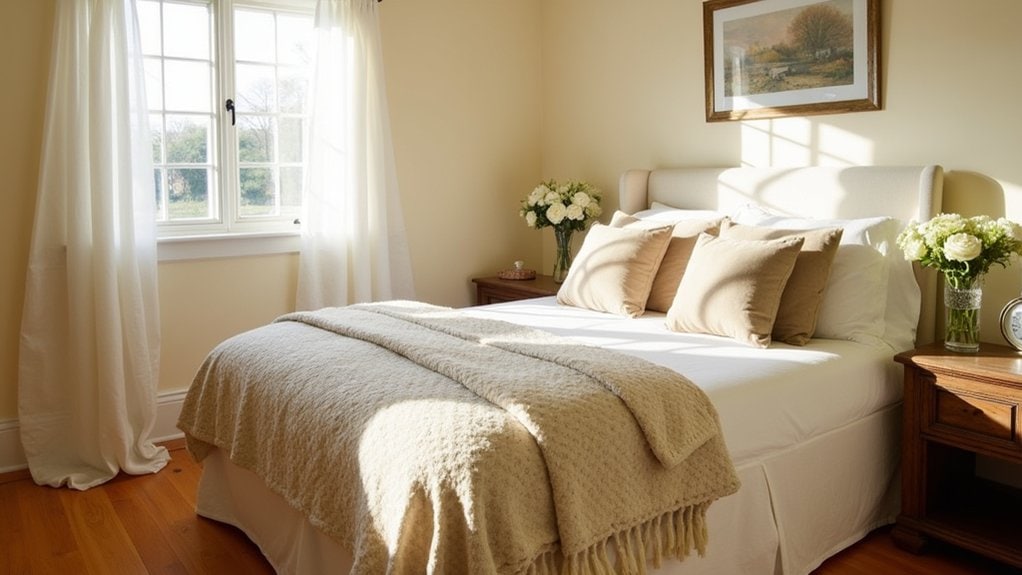
When a guest walks into the room, the first thing they’re going to notice is the lighting—and if it’s too harsh or too dim, the whole space already feels off before they’ve even set down their bag. Soft, warm bulbs and maybe a small lamp on the nightstand can honestly make a bigger difference than any furniture or wall color you pick. From there, layered bedding and one or two small personal touches—like a handwritten note or a little basket with snacks—tell your guest that you actually thought about them being there, not just about filling the room.
Lighting Sets The Mood
Lighting is honestly one of those things people don’t think about until it’s already wrong. Harsh overhead lighting kills the whole feel of a room before your guest even unpacks. Think about ambient color—warmer tones (2700K–3000K) make a space feel restful rather than clinical.
Light placement matters more than most people realize. A single ceiling fixture won’t cut it.
Here’s what actually helps:
- Add a bedside lamp your guest can control themselves
- Use a floor lamp in a corner to soften the room’s ambient color
- Consider a dimmer switch if you can swing it
- Avoid placing lights directly above the bed
Does your guest have control over the lighting? That small detail changes everything.
Cozy Bedding Choices Matter
Everything about the bed signals comfort—or it doesn’t.
Start with mattress quality—guests notice a bad mattress immediately. Layer from there. Think about comfort layers like a mattress topper, crisp sheets, and a solid duvet.
Bedding materials matter more than people realize. Cotton breathes well. Linen feels relaxed. Flannel works better for colder months.
Do your seasonal updates actually reflect the room’s color scheme, or do they just clash quietly? Worth asking.
Mix texture variety intentionally—a knit throw, smooth pillowcases, maybe one heavier blanket option folded at the foot of the bed.
Decorative pillows can pull the whole look together, but don’t overdo it. Three or four feels intentional.
Blanket options give guests control over their own warmth. That small thing matters more than you’d think.
Personal Touches Welcome Guests
A few small, personal touches can shift a guest room from feeling like a spare space into something that actually feels considered. Think about what you’d want to walk into after a long trip.
Here are four things worth adding:
- A handwritten thoughtful note alongside personalized toiletries on the dresser
- Fresh flowers or seasonal decor near the window for some warmth
- Local maps and a small snack station so they feel genuinely looked after
- Personal artwork and cozy accents that reflect your home’s actual personality
Welcoming scents matter too—something light, nothing overwhelming. Comfort items like an extra blanket or good lighting go further than you’d expect. It doesn’t have to be elaborate. Just intentional, maybe.
Frequently Asked Questions
What Is the Ideal Room Temperature for a Comfortable Guest Stay?
You’ll want to set the ideal temperature between 65–72°F (18–22°C) for guest comfort. Keep a programmable thermostat handy, and you should also provide extra blankets so guests can easily adjust to their personal preference.
How Often Should Guest Room Linens Be Washed Between Visits?
You should wash guest linens between every visit. Proper guest linen care means you can’t skip this step. Maintaining a consistent washing frequency guarantees your guests always enjoy fresh, clean, and comfortable bedding during their stay.
Should Guests Be Given a Key or Access Code to the Home?
You’ll want to balance guest privacy with access convenience. If guests arrive at different times, give them a key or access code so they’re not waiting on you and feel truly at home.
Is It Appropriate to Place a Welcome Card or Note for Guests?
Yes, you should absolutely place a welcome note for your guests! It’s one of the best personalized touches you can add, making them feel special, valued, and truly at home from the moment they arrive.
How Do You Handle Pets When Guests Are Staying in Your Home?
Ask guests about allergies beforehand and share your guest pet policies clearly. You’ll want to make pet friendly arrangements by keeping animals out of their room, providing lint rollers, and ensuring pets don’t disturb their sleep.
Final Thoughts
You don’t need a perfect room to make someone feel welcome. You just need to think about what they might actually need — and then do a few of those things well.
Small details add up. Extra blankets, good lighting, somewhere to put their stuff. It doesn’t have to be elaborate.
What’s one thing your current guest room is missing? Start there.